Published on
March 6, 2026

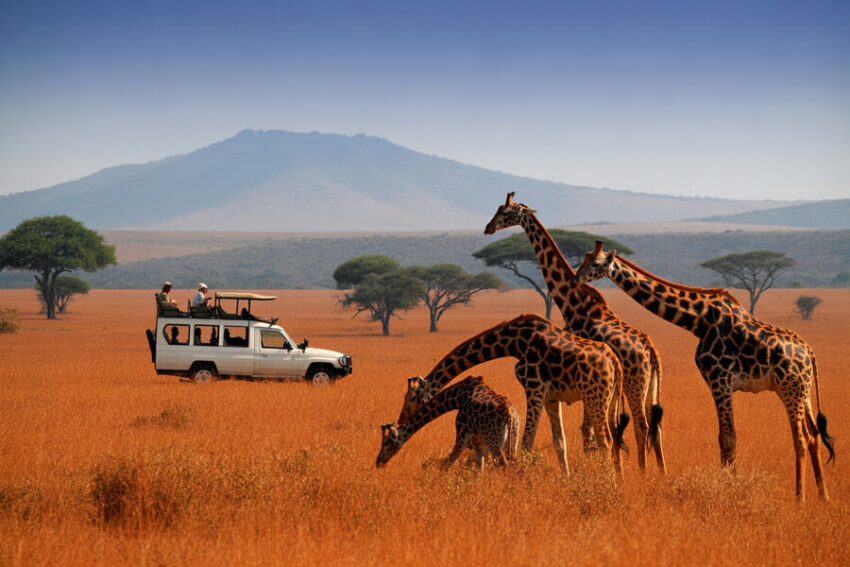
Image generated with Ai
The United States has overtaken India, United Kingdom, China, Italy, Tanzania, Germany, and other giant countries in driving Kenya’s tourism growth, with a significant contribution towards the country’s ambitious goal of attracting five million visitors by 2027. This shift is attributed to a combination of factors, including Kenya’s enhanced marketing strategies, its expanded tourism offerings beyond traditional safaris, and the increasing appeal of its luxury resorts, cultural experiences, and eco-tourism initiatives. The rise of the United States as Kenya’s top tourism market has not only bolstered the sector’s economic impact but also paved the way for job creation and long-term growth in the country’s tourism industry.
Kenya, often renowned for its breathtaking safaris, pristine beaches, and rich cultural heritage, is experiencing a monumental shift in its tourism landscape. As part of a bold move to diversify its offerings and secure a broader global market share, the country has targeted five million international visitors by 2027. This ambitious goal is now within reach, thanks in no small part to the rising influence of key international markets. Leading the charge is the United States, which has overtaken India, the United Kingdom, China, Italy, Tanzania, Germany, and other major countries to become Kenya’s top tourism contributor.
The United States: The New Tourism Powerhouse for Kenya
The United States has long held a significant position in the global tourism sector. In 2026, the country’s tourists were crucial in pushing Kenya’s visitor numbers beyond expectations. As the largest overseas market, U.S. tourists are no longer just visiting for traditional safaris and beach holidays; they are seeking diverse, immersive experiences that Kenya now offers in abundance. The growing appeal of Kenya’s cultural festivals, sports tourism, luxury travel experiences, and conservation initiatives has significantly contributed to the U.S. dominance in driving Kenya’s tourism growth.
Kenya’s tourism marketing campaigns have been instrumental in this rise, with a strong push to showcase Kenya as a multifaceted destination that goes far beyond the safari circuits. From the bustling metropolis of Nairobi to the serene landscapes of Lake Nakuru and Mount Kenya, U.S. travellers are choosing Kenya for a variety of reasons. They are drawn to its sustainability efforts, which focus on conservation tourism, wildlife protection, and community-based tourism projects, making Kenya a prime location for eco-conscious travellers.
India: A Growing Source of High-Value Visitors
India has rapidly become one of the fastest-growing tourism markets for Kenya. Indian tourists, particularly the young, affluent demographic, are increasingly exploring Kenya’s rich cultural and wildlife offerings. India’s proximity to Kenya, combined with expanding flight connectivity, has also made the country a key regional tourism source.
Indian tourists often combine leisure travel with business, attending international conferences and exploring Kenya’s growing status as a business hub in East Africa. Additionally, the Indian diaspora in Kenya acts as a bridge between the two nations, facilitating an increasing flow of tourists seeking to reconnect with their roots or explore Kenya’s shared history with India. This growing trend, coupled with targeted marketing campaigns focused on family holidays, honeymoons, and adventure tourism, positions India as a core market for Kenya’s tourism expansion.
Advertisement
Advertisement
United Kingdom: The Bridge Between European Luxury and Kenyan Safari
The United Kingdom has long been a pivotal market for Kenya’s tourism sector. British tourists make up a significant share of the European arrivals, and the enduring appeal of Kenya’s safari adventures, coupled with increasing flight accessibility, keeps the UK high on the list of top source markets. Kenya Airways, alongside international carriers, offers more direct flights between the UK and Kenya than ever before, making it easier for British nationals to visit frequently.
British tourists are typically high spenders, often staying for extended periods, enjoying luxury lodges, high-end safaris, and beach resorts. The UK’s historical ties with Kenya also contribute to the flow of visitors, with many Britons keen on exploring Kenya’s colonial legacy and historical landmarks. Kenya’s image as a luxury destination for European tourists is expected to grow exponentially in the coming years, with targeted marketing strategies focusing on luxury safaris, wellness tourism, and cultural heritage tours.
Advertisement
Advertisement
China: Tapping into the Rising Asian Tourism Market
As China’s middle class continues to expand, more Chinese tourists are seeking international travel experiences. Kenya is strategically positioning itself as a prime destination for Chinese travellers, with increased air connectivity and streamlined visa processes helping to attract this growing market.
Chinese tourists are primarily drawn to Kenya for its exotic appeal and once-in-a-lifetime safari experiences. Kenya’s growing reputation as a luxury destination for high-end Chinese tourists looking for privacy and exclusivity is becoming increasingly evident. Additionally, Kenya’s business tourism sector, which aligns with China’s economic interests in Africa, is gaining traction among Chinese entrepreneurs and investors. As China’s outbound tourism continues to surge, Kenya is well-placed to capture an even larger share of this lucrative market.
Italy: A Strong European Contributor with Rich Historical Links
Italy, renowned for its cultural and historical significance, shares many historical and cultural ties with Kenya, which makes it an attractive market for Italian travellers. Italian tourists are particularly drawn to Kenya’s heritage sites, architectural wonders, and wildlife preservation efforts. The country’s diverse landscapes, from breathtaking national parks to luxury resorts, align perfectly with Italian preferences for a combination of cultural immersion and relaxation.
Increased accessibility through direct flights and promotional partnerships between Italian and Kenyan tourism authorities have contributed to the growing number of Italian tourists visiting Kenya each year. Kenya’s authentic safari experiences, combined with its cultural richness, make it an increasingly popular destination for Italian tourists seeking both adventure and serenity.
Tanzania: Strengthening Regional Ties and Expanding Market Reach
Tanzania and Kenya share not only a border but also an affinity for similar natural wonders. As one of East Africa’s most dynamic tourism markets, Tanzania continues to be a crucial source of visitors to Kenya. Regional collaboration and shared tourism marketing efforts between the two countries have helped increase cross-border tourism, with many visitors traveling to both countries to experience the best of both worlds — Tanzania’s Serengeti and Kenya’s Maasai Mara.
While Tanzania remains a major competitor in East Africa’s tourism scene, the growing trend of joint marketing campaigns and regional tourism packages ensures both countries benefit from each other’s success. Kenyan safaris, combined with Tanzania’s cultural and natural offerings, are quickly becoming a popular regional tourism route, ensuring both countries continue to draw tourists together.
Germany: A Major European Market with Strong Economic Ties to Kenya
Germany remains one of Kenya’s top European source markets, with German tourists seeking adventure travel, cultural exploration, and eco-tourism experiences. Germany’s strong economic ties with Kenya, particularly in trade and development sectors, facilitate the movement of business travellers as well as tourists.
Germany’s focus on eco-tourism aligns with Kenya’s efforts to promote sustainable tourism, wildlife conservation, and environmental stewardship. As part of Kenya’s wider eco-tourism strategy, the country is reaching out to German tourists who are passionate about supporting wildlife and conservation initiatives. Kenya Airways and other international carriers continue to connect Kenya with major German cities, ensuring that Germany remains a strong player in Kenya’s tourism growth.
The Rising Influence of Regional Markets: Uganda and Tanzania
While global markets like the United States and the United Kingdom dominate Kenya’s tourism scene, regional markets such as Uganda and Tanzania are proving increasingly important. Uganda, with its proximity to Kenya, has become a key market for Kenya’s safari and wildlife tourism offerings, while Tanzania continues to send large numbers of tourists to Kenya’s national parks and coastal resorts.
Increased cross-border tourism packages and visa facilitation programs have helped stimulate this regional tourism growth. As the East African Community (EAC) strengthens, countries like Uganda and Tanzania are increasingly relying on Kenya’s tourism sector to grow their own economies and expand travel opportunities for their citizens.
Other Emerging Markets: South Africa, UAE, and Beyond
In addition to the primary markets, Kenya is seeing growing interest from South Africa, United Arab Emirates, and other emerging tourism powerhouses. These countries are increasingly becoming important contributors to Kenya’s rising international visitor numbers, driven by growing economic ties, increased travel connectivity, and a shared interest in business tourism and luxury travel.
South African tourists are primarily drawn by Kenya’s luxury resorts, while travellers from the UAE and other Gulf Cooperation Council (GCC) countries are attracted by the unique combination of safaris, beach resorts, and world-class hospitality that Kenya offers. These emerging markets contribute to Kenya’s continued diversification, ensuring that it remains a top destination for travellers worldwide.
With the United States at the forefront, Kenya’s tourism industry is entering a new era of growth, diversity, and sustainability. As more countries contribute to Kenya’s visitor numbers, the country’s economic landscape is expected to flourish, creating thousands of jobs in the tourism and hospitality sectors. By focusing on luxury tourism, sustainable travel, and regional collaboration, Kenya is poised to achieve its target of five million international visitors by 2027 — a goal that promises to transform the economy, create new employment opportunities, and enhance the country’s standing as a premier global tourism destination.
The United States has overtaken India, United Kingdom, China, Italy, Tanzania, Germany, and other giant countries in boosting Kenya’s tourism growth, driven by enhanced marketing, diverse tourism offerings, and rising interest in eco-tourism and luxury travel experiences. This shift is crucial in helping Kenya achieve its target of five million visitors by 2027, fueling economic growth and job creation across the nation.
As Kenya continues to diversify its tourism offerings, collaboration with international markets like the United States, India, Germany, China, and Tanzania will be crucial to its continued success. Through innovation, effective marketing, and sustainable practices, Kenya’s tourism sector will remain a driving force behind the country’s economic growth for years to come.

