Published on
March 17, 2026

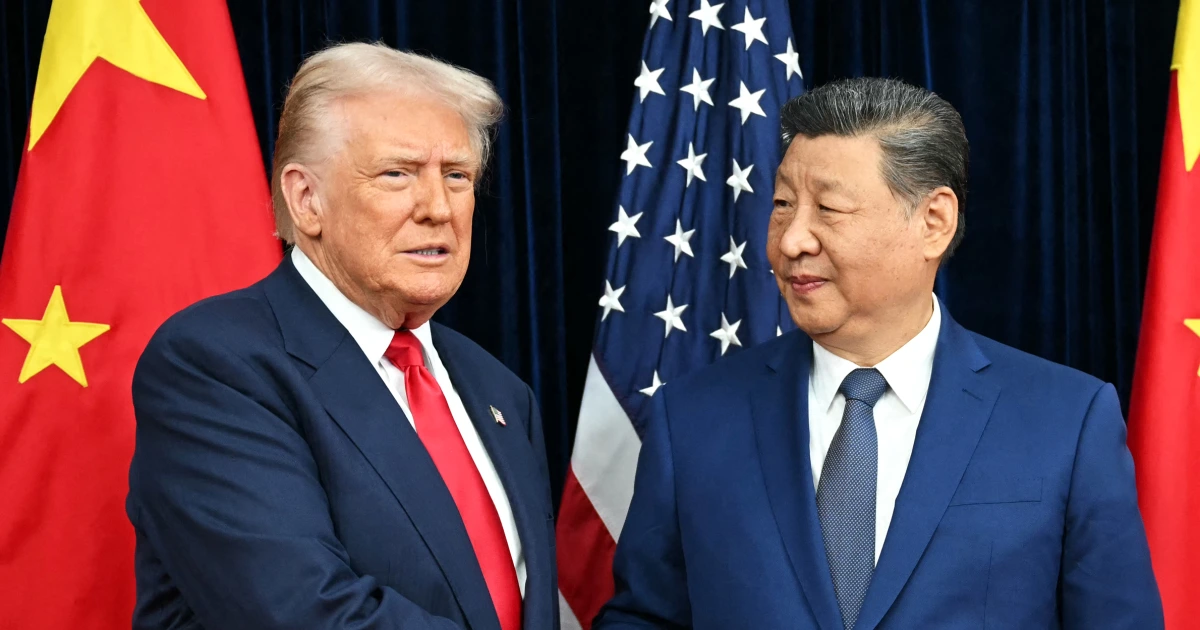
Image generated with Ai
In an unprecedented move, the United Kingdom, along with major global allies such as the United States, Canada, Australia, France, and the Netherlands, has intensified its travel warnings due to escalating geopolitical tensions worldwide. The heightened advisories, targeting specific high-risk destinations, reflect the increasing dangers in the Middle East, Eastern Europe, and parts of Africa, where ongoing conflicts and civil unrest continue to endanger foreign nationals.
As a result of these warnings, governments are urging citizens to refrain from non-essential travel to these regions. Travelers are advised to avoid areas marked by active military operations, terrorism, and widespread instability, as these zones present severe risks to personal safety.
Global Coordinated Efforts to Address Rising Risks
This coordinated response from the UK, US, Canada, Australia, France, and the Netherlands signifies a unified stance in the face of global unrest. Governments are taking urgent measures to monitor developments in high-risk regions and provide citizens with updated safety information. This collective action is rare, as it underscores the severity of the current geopolitical climate.
At the heart of these efforts is the Red List, a critical travel advisory tool used by the FCDO and allied governments to identify countries where the risks of travel are deemed too dangerous. Citizens traveling to these high-risk zones are strongly urged to return home as soon as possible due to the escalating hazards.
Advertisement
Advertisement
Many of the affected regions have limited or non-existent consular support, making it even more difficult for governments to assist travelers in distress. This lack of diplomatic presence in conflict zones is one of the primary concerns highlighted in the travel advisories.
High-Risk Zones: Where You Should Not Travel Right Now
The travel warnings are primarily driven by the escalating geopolitical tensions between major global powers, with ongoing conflicts in the Middle East, Eastern Europe, and Africa. The following countries have been flagged as high-risk, where travel is strongly discouraged:
Advertisement
Advertisement
Middle East
- Iran: Political instability and tensions related to its nuclear program have made Iran increasingly unsafe for travelers.
- Iraq: Persistent security risks and ongoing terrorist activities make Iraq a dangerous destination.
- Israel and Palestine: The ongoing military conflict, especially in Gaza, has created extreme risks for foreign nationals in these regions.
- Syria: An ongoing civil war, coupled with limited diplomatic presence, makes Syria highly volatile.
- Yemen: A complex humanitarian crisis and active civil conflict make Yemen one of the most dangerous regions for travelers.
Eastern Europe
- Russia: The ongoing war in Ukraine and widespread conflict have made Russia extremely dangerous, with significant airspace closures and military actions.
- Belarus: Political unrest and Belarus’s involvement in the Ukraine conflict have made it unsafe for foreigners.
Africa
- Burkina Faso, Mali, and Niger: Widespread terrorist insurgencies have destabilized these countries, leading to significant risks for foreign nationals.
- South Sudan: Ongoing civil conflict has made South Sudan one of the most dangerous places in Africa.
Asia
- Afghanistan: The Taliban’s control over the country and internal conflicts make Afghanistan highly unstable and dangerous for travelers.
Caribbean
- Haiti: Political turmoil, gang violence, and frequent natural disasters have made Haiti one of the most unsafe destinations in the region.
Why These Travel Warnings Matter
Travel advisories are not merely recommendations; they are based on credible intelligence and aim to protect citizens from severe risks, including kidnapping, injury, or even death. In the countries listed on the Red List, foreign nationals face heightened risks that cannot be ignored.
Moreover, travelers heading to these high-risk zones may find their travel insurance invalidated. This is a critical factor to consider, as without valid insurance, travelers will be financially exposed if they encounter trouble while abroad. From medical emergencies to the need for evacuation, the consequences of not heeding these warnings could be catastrophic.
Advertisement
Advertisement
What You Need to Know About Insurance and Safety
Traveling to Red List countries may void your travel insurance, meaning that should something go wrong—whether it be a medical emergency or a natural disaster—you will be left without the coverage and support you would normally receive. This exposes you to significant financial risks.
Furthermore, consular assistance is often severely limited or entirely unavailable in these high-risk regions. If you find yourself in need of help, the lack of a functioning diplomatic presence could leave you stranded with no access to emergency services, making it crucial to reconsider traveling to these areas.
Impact on the Travel Industry and Broader Economic Concerns
The travel advisories have not only had a direct impact on travelers’ safety but also on the global travel industry. Airlines such as British Airways, Emirates, and Air France have been forced to cancel flights to affected regions, leading to significant economic losses. These cancellations also disrupt global business travel, tourism, and trade.
Additionally, the ongoing geopolitical instability has caused a surge in fuel prices, which, in turn, has increased the cost of international travel. Airlines have been forced to raise their prices, passing these additional costs onto consumers, further complicating travel for those who must venture abroad.
What’s Next: Ongoing Monitoring and Updates
Governments around the world will continue to monitor the situation in these high-risk zones and provide updates to travelers. As conflicts evolve, it’s essential to stay up-to-date with the latest information and adjust your travel plans accordingly.
For those traveling to countries not on the Red List, it’s still important to check for Yellow List zones, where non-essential travel may still be discouraged due to localized instability or natural disasters. These areas might not be as high-risk, but caution is still advised.
Here’s a table summarizing the key information from your article:
| Category | Details |
|---|---|
| Global Travel Warning Allies | UK, US, Canada, Australia, France, Netherlands |
| Red List Advisory Purpose | To highlight countries where the risks of travel are too dangerous, urging citizens to avoid or return immediately. |
| Regions Affected | Middle East, Eastern Europe, Africa, Asia, Caribbean |
| Key Reasons for Warning | Ongoing conflicts, military operations, terrorism, and civil unrest making travel unsafe. |
| Countries on Red List | Middle East: Iran, Iraq, Israel, Palestine, Syria, YemenEastern Europe: Russia, BelarusAfrica: Burkina Faso, Mali, Niger, South SudanAsia: AfghanistanCaribbean: Haiti |
| Risks for Travelers | Heightened risk of kidnapping, injury, or death. Limited or non-existent consular support. |
| Impact on Insurance | Travel insurance may be invalidated in Red List countries, leaving travelers financially exposed. |
| Consular Assistance | Severely limited or non-existent in high-risk zones, making it harder to provide emergency assistance. |
| Impact on Travel Industry | Major airlines like British Airways, Emirates, and Air France have canceled flights, leading to economic losses. Rising fuel prices are increasing travel costs. |
| Current and Future Monitoring | Governments will continue monitoring the situation, with updated travel advisories for evolving regions. Travelers should stay informed and adjust plans as needed. |
| Yellow List Zones | Countries not on the Red List but still with regions where non-essential travel is discouraged due to localized instability or natural disasters. |
This table organizes the key points in a concise manner for easy reference. Let me know if you’d like any additional details added!
Geopolitical Context:

Image generated with Ai
- Escalating Tensions: The travel warnings reflect a global escalation in conflict zones, particularly in the Middle East, Eastern Europe, and parts of Africa. These areas are facing active military operations, political instability, and growing humanitarian crises, directly threatening the safety of travelers.
- High-Risk “Red List” Countries:
- Middle East: Countries such as Iran, Iraq, Israel, Palestine, Syria, and Yemen are deemed dangerous due to political instability, terrorism, and civil unrest.
- Eastern Europe: Russia and Belarus have been flagged because of their involvement in the Ukraine conflict, with Russia facing direct sanctions and military operations, making travel there hazardous.
- Africa: Countries like Burkina Faso, Mali, Niger, and South Sudan are destabilized by terrorist insurgencies, internal conflicts, and humanitarian disasters.
- Asia: Afghanistan remains a highly volatile region, with limited diplomatic presence and a deepening internal conflict under the Taliban.
- Caribbean: Haiti continues to experience political turmoil and gang violence, adding to the growing concerns over travelers’ safety in the region.
- Key Risks:
- Conflict Zones: These countries are embroiled in violent conflict, making them inherently dangerous for foreign nationals.
- Civil Unrest: Protests, riots, and uprisings have become common in many of these high-risk countries, creating unstable environments.
- Limited Consular Support: Some of these regions have no diplomatic presence or functioning embassies, making it nearly impossible for travelers to receive help during emergencies.
- Consequences of Travel:
- Insurance Void: Traveling to a Red List country typically invalidates travel insurance, leaving travelers financially vulnerable in the case of emergencies, medical evacuation, or other unforeseen incidents.
- Flight Disruptions: Major airlines such as British Airways, Emirates, and Air France have canceled flights to these high-risk areas, leading to flight disruptions and economic losses for the airline industry and tourism.
- Economic Impact: The geopolitical instability has caused a surge in fuel prices, which has led to higher travel costs globally. The tourism industry also faces substantial losses due to the reduction in travel to affected regions.
- Call to Action:
- Travelers are urged to stay informed about current travel advisories and avoid visiting these high-risk zones. Governments continue to monitor the situation and provide updates to ensure travelers’ safety.
- Yellow List Zones:
- In addition to the Red List, some countries not currently deemed as Red List destinations are marked as Yellow List zones. These zones pose localized instability or risk from natural disasters but are not yet under full-scale travel bans. However, caution is still advised, and non-essential travel should be minimized.
The World Systems Theory (WST), developed by sociologist Immanuel Wallerstein, explains global inequalities by dividing the world into core, semi-periphery, and periphery regions. These regions interact through trade and the global economy, with the core regions benefiting from the economic and political advantages while the periphery regions face exploitation and marginalization.
In the context of global travel warnings, especially with the United Kingdom, United States, Canada, Australia, France, and the Netherlands issuing heightened travel advisories, we can apply World Systems Theory to understand the dynamics of geopolitical tensions and global power imbalances that contribute to such warnings.
World Systems Theory Applied to the Travel Warnings Context

Image generated with Ai
Core Countries (UK, US, Canada, Australia, France, Netherlands)
- These core nations hold significant economic, political, and military power. They are part of the global elite, benefiting from strong institutions, stable economies, and international influence.
- The travel warnings issued by these nations reflect their role as global decision-makers who can dictate the terms of international travel and political engagement. Their ability to impose sanctions, control international diplomacy, and manage global trade gives them the leverage to issue travel advisories that directly impact the periphery and semi-periphery nations.
- These core nations also typically have robust travel insurance policies, diplomatic infrastructure (embassies, consular support), and a higher level of safety and security for their citizens, contributing to the global perception that these nations’ citizens’ welfare is a priority.
Semi-Peripheral Nations (e.g., Russia, Belarus, some Middle Eastern Countries)
- Semi-peripheral nations, like Russia and Belarus, lie between the core and periphery. They have some power but are often caught in the struggle for resources, security, and international influence.
- These countries are often at the center of geopolitical tensions, such as the Russia-Ukraine war. While they might wield some regional power, they struggle with political instability, economic hardship, and internal conflict that push them into the semi-periphery.
- These tensions create travel risks and generate unpredictability for travelers, contributing to the travel advisories. The reduced consular support in these nations is an example of how semi-peripheral countries struggle to maintain global stature and influence.
Peripheral Nations (Middle Eastern Countries, Afghanistan, South Sudan, Haiti)
- The periphery consists of nations that are economically and politically marginalized, often characterized by poverty, political instability, internal conflicts, and lack of institutional support. Many countries in the Middle East (e.g., Yemen, Syria, Iraq), Africa (e.g., South Sudan, Mali, Burkina Faso), and parts of Asia (e.g., Afghanistan) fall under this category.
- These regions face external interference, often through military operations, foreign interventions, or economic exploitation by core nations. Travel advisories from core nations reflect the global imbalances where the peripheral nations bear the brunt of conflicts and political instability while core nations exercise control over the global narrative and resources.
- In these regions, travelers are at risk due to terrorism, civil unrest, and limited consular assistance, which are symptoms of the marginalization of these countries in the global system. The lack of diplomatic presence and ongoing military conflicts also make these countries unappealing and dangerous for foreign nationals.
Economic Exploitation and the Travel Industry Impact

Image generated with Ai
According to World Systems Theory, the core countries are economically dominant, and their economic activities affect the peripheral nations. The geopolitical instability caused by ongoing conflicts impacts both the global economy and the travel industry:
- Flight Cancellations: Due to the escalating conflicts, major airlines are forced to cancel flights to high-risk zones, causing significant economic losses. The core nations often control the major international airlines, and their actions directly impact global travel. These disruptions are a reflection of how core countries’ decisions can have far-reaching consequences for both the periphery and semi-periphery.
- Rising Fuel Prices: Geopolitical instability in oil-rich peripheral regions (e.g., Middle East) leads to higher fuel costs, affecting global travel. As core countries control much of the global energy markets, price fluctuations have a disproportionate impact on peripheral nations that depend on international trade for economic survival.
Diplomatic and Military Influence
The core nations also exercise significant influence over diplomatic and military relations in these regions, which often directly contributes to the conflict dynamics:
- Foreign Intervention: The military presence of core countries in peripheral regions often exacerbates existing conflicts, making them more unstable and dangerous for travelers. Invasions, sanctions, and military aid are examples of how the core manipulates global politics, creating instability that drives travel advisories.
- Humanitarian Crisis: Many peripheral countries suffer from humanitarian crises, as they have less global leverage to protect their sovereignty. These countries become hotbeds for unrest, which then affects global travel patterns.
World Systems Theory and Global Travel Warnings
In conclusion, World Systems Theory provides valuable insights into the global power structures that shape travel warnings. Core nations issue travel advisories based on their economic, political, and military advantages, which directly influence global travel. Peripheral countries, where instability is rampant, are often left to face the consequences of conflict, while core nations maintain control over global discourse and economies.
As geopolitical tensions continue to rise, the core nations’ travel warnings reflect global inequalities, with peripheral regions disproportionately affected by conflict, terrorism, and civil unrest. Understanding these dynamics through World Systems Theory highlights the interconnectivity of geopolitics, economics, and global travel.
Case Study: Impact of Geopolitical Conflicts on Travel and Economic Systems Through the Lens of World Systems Theory
Background:
In March 2026, multiple core nations—including the United Kingdom, United States, Canada, Australia, France, and the Netherlands—issued heightened travel warnings to 14 high-risk countries due to escalating geopolitical tensions and conflicts. These travel warnings focused on regions like the Middle East, Eastern Europe, and parts of Africa, where conflicts such as the Israel-Palestine war, the Russia-Ukraine conflict, and various terrorist insurgencies in Africa have intensified. This coordinated effort from core nations reflects not only a geopolitical shift but also highlights the economic consequences of these conflicts on global travel and trade, with immediate implications for the global economy.
Core Concepts of World Systems Theory (WST):
- Core Nations: These are the economically dominant countries with advanced industries, strong military presence, and substantial global influence. They control key financial systems, international diplomacy, and global trade routes.
- Semi-Peripheral Nations: These countries are less developed than the core but have some economic influence. They often face both external pressures from core nations and internal challenges.
- Peripheral Nations: These nations are economically and politically marginalized, often bearing the brunt of global conflicts. They are economically dependent on the core nations, which exploit their resources for profit.
Application of WST to the Travel Warnings:
- The Core Nations Issue Travel Warnings:
- Core nations, such as the UK, US, France, and others, issue the travel warnings based on their economic and political dominance. They are the gatekeepers of international travel and can dictate global mobility.
- This response highlights the power dynamics where these nations, controlling much of global trade, international air routes, and diplomatic infrastructure, can disrupt or halt travel to regions they deem dangerous.
- By issuing these warnings, these countries not only protect their citizens but also control global narratives about security, as travelers from semi-peripheral and peripheral nations must heed these warnings if they want access to core nations’ markets and services.
- The Impact on Peripheral Countries:
- The peripheral nations, such as Syria, Yemen, Mali, and Afghanistan, face geopolitical instability with limited power to prevent the economic consequences caused by their conflicts. These countries lack the global influence or infrastructure to prevent such travel advisories or mitigate their economic consequences.
- With limited consular support and a lack of diplomatic leverage, these countries face flight cancellations, economic losses, and disruptions to their travel industry. For example, airlines might suspend flights to these regions, which further damages their already fragile economies.
- The travel bans and economic sanctions imposed on these regions are a direct result of their position within the global system—as peripheral nations, they are often caught in the conflict and struggle to regain stability.
- Economic Implications on the Global System:
- Rising Fuel Prices: As conflicts in oil-rich peripheral regions, such as the Middle East, continue, fuel prices rise, which leads to higher global travel costs. The core nations, which control much of the global oil market, directly influence how price fluctuations affect the periphery nations, which often depend on external trade for survival.
- These price surges impact the cost of living and tourism in peripheral and semi-peripheral countries. Travelers from the core are less likely to visit regions affected by conflict, further crippling these countries’ economies.
- Flight Cancellations and Airline Control:
- Core countries control major international airlines, such as British Airways, Emirates, and Air France, whose decisions on flight cancellations disrupt travel to high-risk zones. These disruptions do not only affect travelers in the core but also dampen international business and trade that rely on smooth global travel.
- The cancellation of flights directly impacts tourism-dependent economies in peripheral nations, which are already suffering due to the ongoing conflicts. In contrast, core nations can recover more quickly as they have greater access to alternatives and more robust economies.
- The Role of Consular Support:
- Core nations provide robust consular services, which act as a safety net for their citizens traveling abroad. However, in peripheral nations, where the lack of diplomatic presence is common due to ongoing conflicts, citizens of core nations face limited support.
- This power imbalance demonstrates how the core nations’ ability to influence global travel not only affects the safety of their own citizens but also creates a barrier for international engagement between core and peripheral countries.
Key Takeaways from World Systems Theory in Travel Warnings:
- Power Dynamics: The core nations hold significant economic and political power over global travel, creating an imbalance where peripheral nations bear the consequences of geopolitical instability.
- Exploitation of Peripheral Nations: The conflicts in peripheral regions are exploited by core countries to control key resources, such as oil, which further exacerbates global economic disparities.
- Economic Ripple Effects: The geopolitical instability in peripheral countries not only affects local economies but also ripples across the global system, impacting international travel, trade, and global markets.
- Disruption of Global Mobility: The cancelation of flights, coupled with rising fuel prices, has a cascading effect on both travel to and from high-risk regions and on the travel industry as a whole, demonstrating the interconnectedness of the core-periphery relationships in the global economy.
Conclusion:
It provides a clear message that travelers need to stay updated with the latest travel advisories, as the geopolitical situation is continually evolving. Citizens are advised to rethink their travel plans to high-risk countries, especially those marked as Red List destinations, due to the serious dangers posed by conflicts, terrorism, and civil unrest. Governments are working together to ensure the safety of their citizens, and travelers should follow the official guidelines to minimize risk.
By following these precautions, travelers can avoid unnecessary exposure to dangerous regions and protect their personal safety while ensuring that they remain informed of global security developments.