Washington’s top trade negotiator suggested on Tuesday that, in a break from usual practice, members of US President Donald Trump’s cabinet will not visit Beijing ahead of the expected mid-May summit with President Xi Jinping to prepare or discuss deliverables.
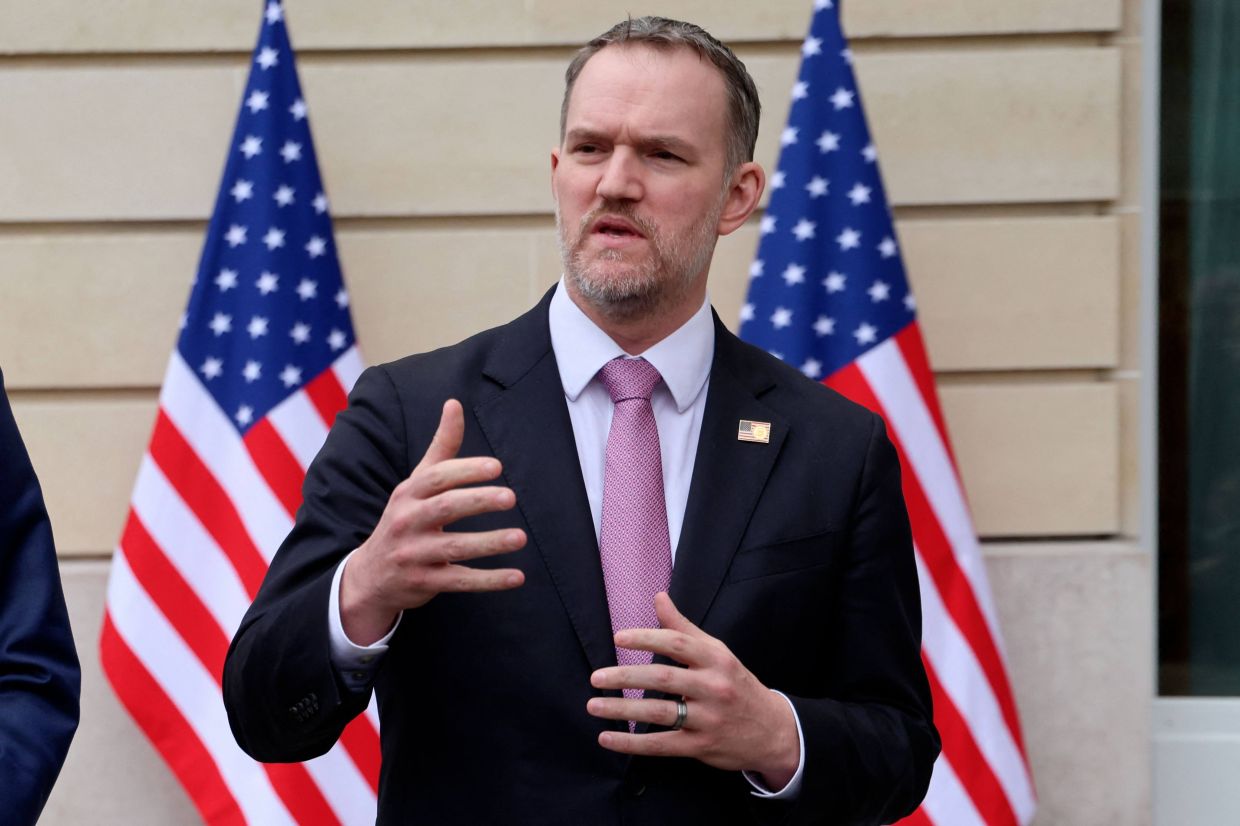
“I don’t think we’re going to need to do that,” Jamieson Greer, US Trade Representative, said in an interview with Bloomberg Television when asked about meeting his Chinese counterparts soon, ahead of the much-anticipated leaders’ meeting.
The remarks came a day after the White House indicated there would be cabinet-level engagements “ahead of time”.
“I do expect cabinet officials to travel to China ahead of time,” spokeswoman Karoline Leavitt said at a press briefing on Monday. “This is something we typically do.”
Last week, Leavitt announced that Trump will be visiting China on May 14 and 15. The trip was originally scheduled for March 31 to April 2, but was postponed citing the ongoing US-Israel war against Iran. Beijing has not officially announced any dates for the summit.
Experts have noted that the delay in the summit could give both sides more time to produce concrete deliverables, as a lack of preparation contributed to the postponement, and the US works to secure a ceasefire with Iran.
They said the new dates are more “doable”, especially with the possibility of a meeting between US Treasury Secretary Scott Bessent and Chinese Vice Premier He Lifeng in late April to advance trade negotiations.
“Current round of Iran mess could be in a period of quiet by then,” according to Sourabh Gupta of the Institute for China-America Studies.
“Also, May 14-15 provides an opportunity to hash out deliverables … and possibly a Bessent-He meeting in late April … mid-May timing seems like a good and doable one.”
Top US officials usually travel in advance to prepare way
There is uncertainty over whether anyone from the Trump administration will visit Beijing ahead of a potential meeting with Xi, as key cabinet members, such as the Secretary of State and the Secretary of Defence, typically travel in advance to discuss key issues for major events involving top leaders.
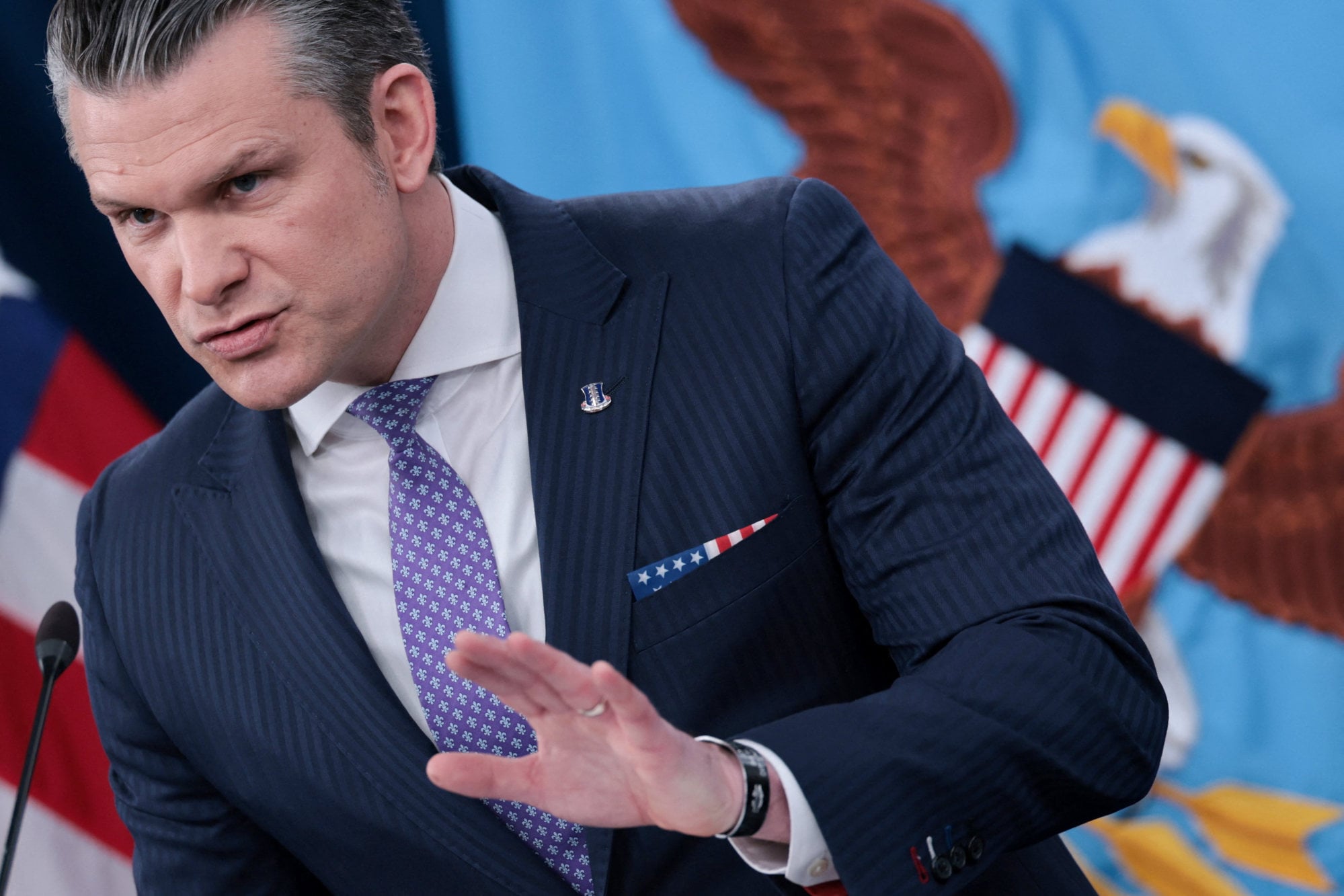
There is no indication that Secretary of Defence Pete Hegseth plans to make the trip. In October last year, Hegseth met Defence Minister Dong Jun in Kuala Lumpur, Malaysia, on the sidelines of a multilateral forum, telling his Chinese counterpart that the US will “stoutly defend” its interests in the Indo-Pacific.
Admiral Daryl Caudle, Chief US Naval Operations, on Tuesday said that he was “concerned” that American “readiness” to deter China in the Indo-Pacific was being “consumed” by the ongoing war, calling it “mathematical certainty” when resources were limited.
US Secretary of State Marco Rubio, a former China hawk, has been sanctioned by Beijing since 2020, making him the first individual in his position to face such measures and raising questions about whether he might visit.
Beijing has signalled flexibility, hinting that these sanctions do not necessarily block his entry for official summit business.
A US State Department spokesperson told the South China Morning Post on background that there was nothing to preview regarding Rubio’s potential travel to China.
Bessent set to play major role in Xi-Trump talks
Meanwhile, under the second Trump administration, Bessent has emerged as the key point person in negotiating lingering bilateral issues with Beijing.
Earlier this month, Greer, together with Bessent, met with Vice Premier He in Paris, with both sides describing the talks as “productive”, announcing discussion on the creation of a “Board of Trade” to reach “managed trade” – an idea where both sides buy equal value of products from each other.
Currently, both sides are trying to determine what they want to trade. The US has been weighing its priorities, given the country’s heavy reliance on China for manufacturing inputs and rare earths.
On Tuesday, Greer said the two sides in Paris had “reached general agreement on the types of outcomes” for the leaders’ meeting. “Our deputies and our staff are in regular communication to land those outcomes,” he said.
Highlighting the goal of significantly reducing the trade deficit with China by year-end, Greer said that “establishing that type of mechanism at the leaders meeting, and then going through a process of figuring out how to optimise trade with each other, that’s going to be a big deliverable”.
He noted that the US wanted to sell Boeing planes, medical devices, pharmaceuticals and agricultural products, while it was willing to buy low-tech consumer goods from China.
Hours later, the United States Trade Representative released its foreign trade barrier report, highlighting persistent issues such as state subsidies, excess capacity, and opaque tariff and safety regulations that restrict US agricultural exports, including rice and wheat, from accessing the Chinese market.
Earlier this month, Greer’s office launched probes into alleged unfair practices by key trading partners, including China. Beijing has responded with its own investigations of US restrictions on Chinese imports, including green energy, and export of advanced tech, expressing “firm opposition” to the American measures.
Greer has called Beijing’s action “posturing”.
American soybean farmers have also been hit hard after Beijing boycotted US soybeans for much of last year in retaliation for Trump’s tariffs.
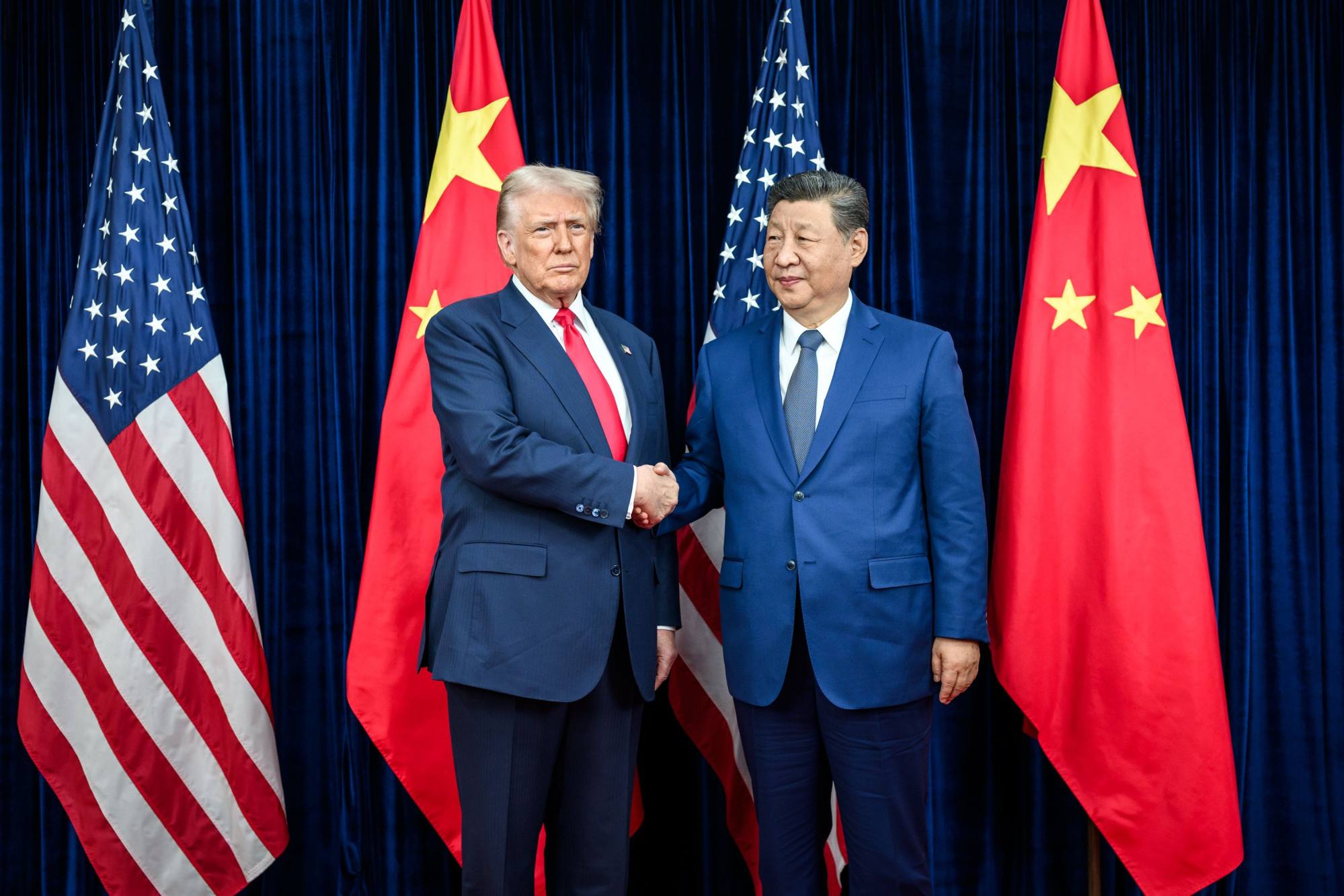
After a major escalation of trade tensions following Trump’s Liberation Day tariffs a year ago, both sides reached a temporary truce when the two leaders met in Busan, South Korea, in October.
The White House announced that China had agreed to purchase 12 million tonnes of US agricultural products by February, and 25 million tonnes annually for the next three years.
Trump has expressed a desire to sell even more, as experts note that these figures are lower than what US farmers were already exporting to China before the tariffs were imposed.
Under the agreement, the US also lifted certain tariffs in exchange for China easing restrictions on rare earths – a critical component for producing hi-tech goods such as semiconductors and defence equipment. China holds a near-monopoly in the global rare earth supply chain.
‘Progress being made’ on US-China rare earths issue
On Tuesday, Greer said that the US had made a “lot of progress” on building self-reliance in rare earths and that the issue was being managed at the working level.
In Paris, he shared that the US side told the Chinese delegation that “we didn’t feel like we were getting rare earths in a timely fashion, and we highlighted that to our partners. They took note of that and have it under consideration”.
He added that the two leaders, in their May meeting, will discuss the rare earth issue “if they need to”.
“Our hope and expectation is we’re able to manage a lot of it between now and then at the staff level,” he added. — SOUTH CHINA MORNING POST