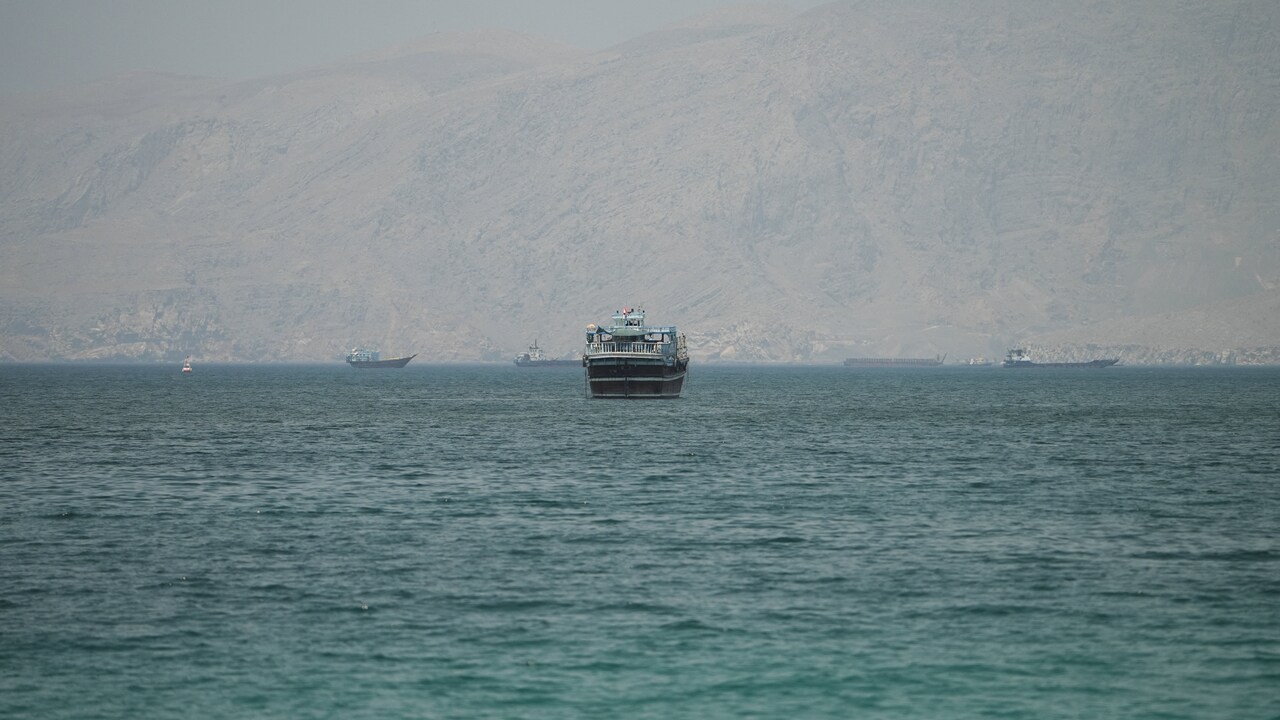
The reopening of the Strait of Hormuz may have eased concerns about oil shipments, but hundreds of tankers waiting in the region have run into a completely different problem, involving barnacles, algae, mussels and other sea life stuck to their hulls.
After spending months anchored in warm Gulf waters, many vessels now need extensive underwater cleaning before they can return to normal operations, as per a CNN report. Industry experts said the buildup, known as biofouling, can affect everything from fuel efficiency to compliance with environmental regulations.
“Four months?” said Derek Hamm of Obsessive Compulsive Divers in Marathon, Florida, as quoted by the publication. “Man. That’s plenty of time for a lot of gross stuff to accumulate.”
While the layers of marine life may look harmless, they can create major operational issues for ships.
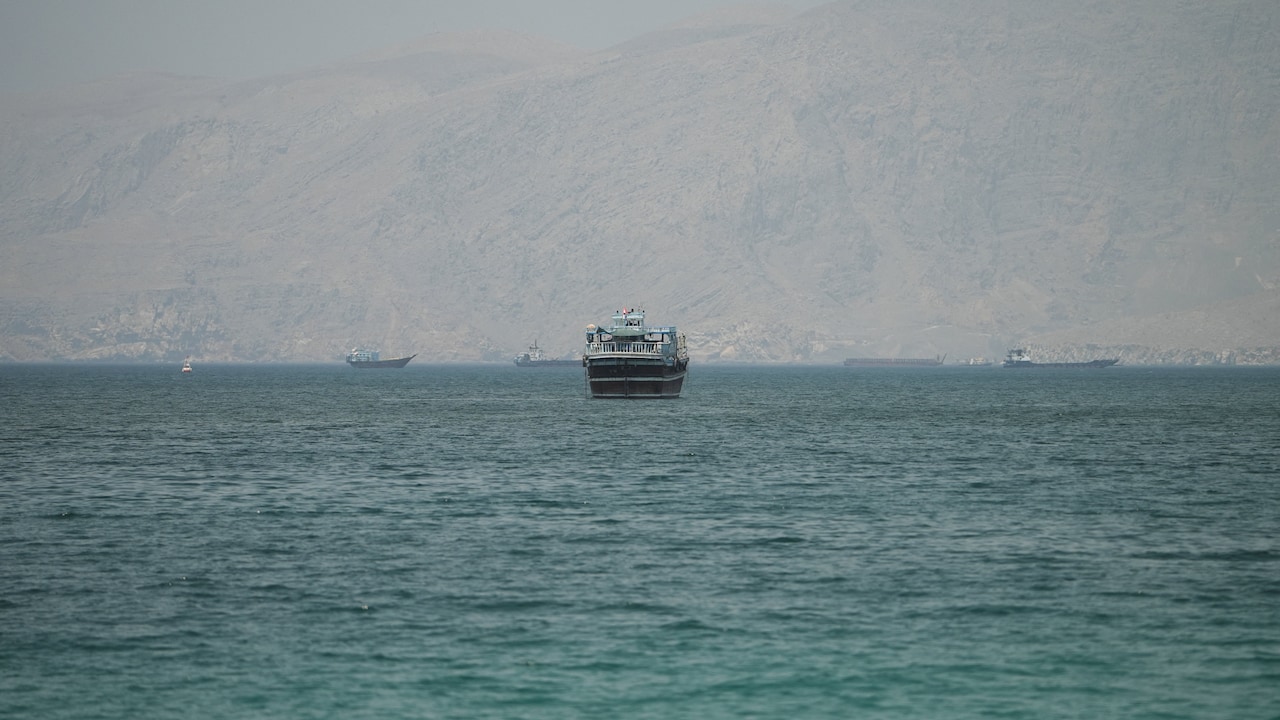
Photo Credit: REUTERS
Biofouling changes how water flows around a vessel, increasing drag and forcing engines to work harder. For oil tankers travelling thousands of miles, that can significantly increase fuel consumption and operating costs.
The buildup can also spread to propellers, water intake systems and other critical parts of a vessel. In some cases, marine organisms can clog systems that help keep engines cool and functioning properly.
A Massive Cleaning Job
The scale of the task is enormous. A typical oil supertanker stretches over 1,000 feet in length and can have around 150,000 square feet of underwater surface area that may need cleaning. Teams of divers use hand scrapers, pressure-cleaning equipment and other specialised tools to remove stubborn growth.
“In the maritime world, it’s not so weird,” said Hamm, a professional bottom cleaner, as quoted by CNN.
According to industry estimates, crews of five or six divers can spend several hours cleaning a single vessel. With roughly 600 ships affected, demand for professional cleaning teams has surged.
“The work is straightforward and not complicated, but those ships are just way too big for individual divers,” said Brian McCauley, owner of McCauley Mooring and Diving.
Not The Only Hurdle
Cleaning the vessels is only one part of the process. Before traffic returns to normal levels, shipping companies must also deal with insurance approvals, safety checks and navigation concerns linked to months of disruption in one of the world’s most important oil routes.
That means even though the waterway has reopened, the flow of oil is unlikely to return to normal immediately.