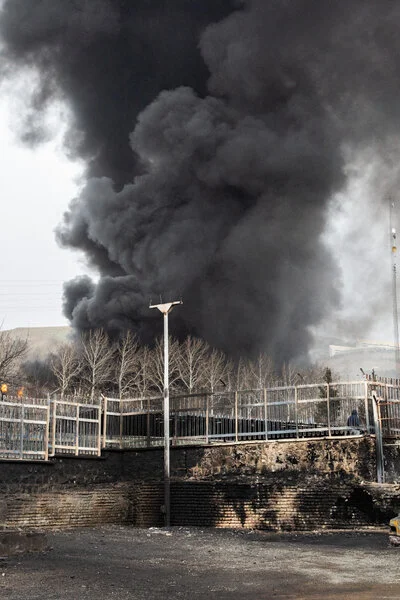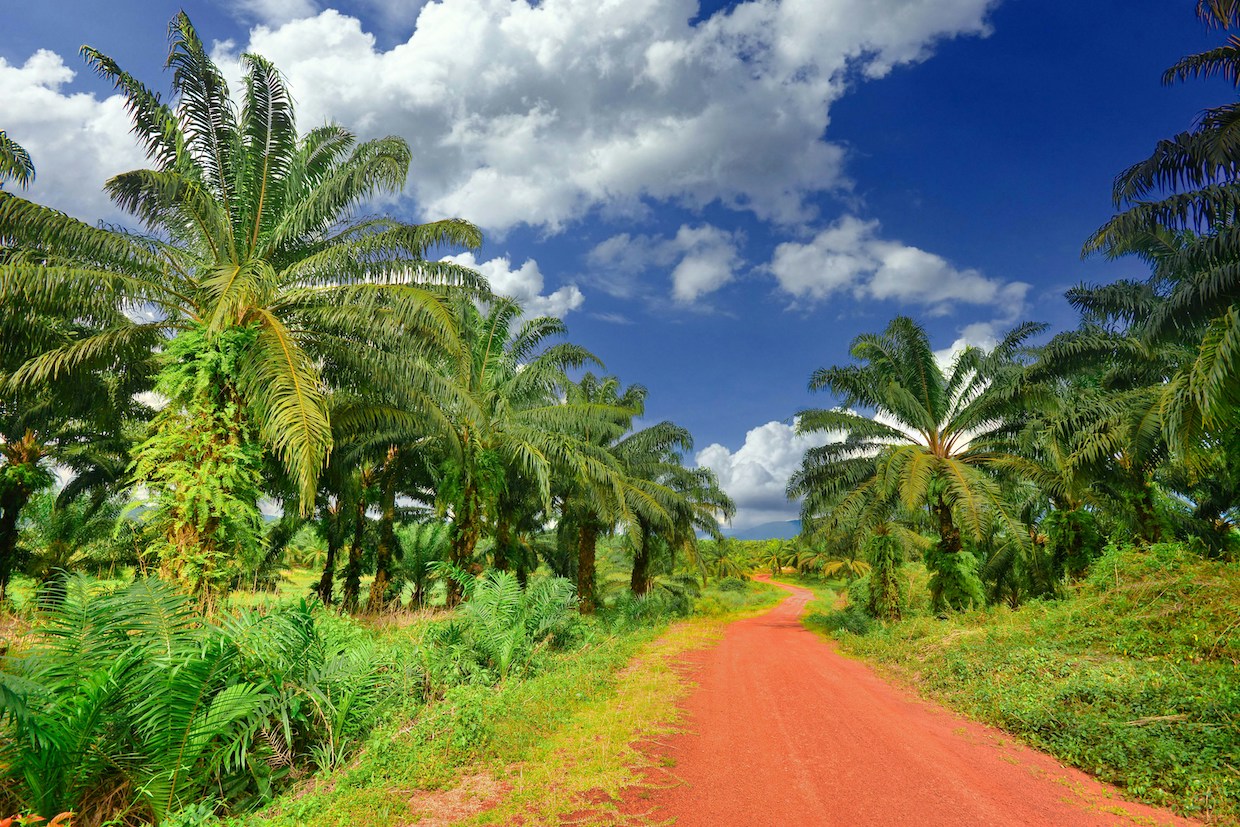
A sweeping new analysis of commodity-driven deforestation published in Nature Food found that coffee accounts for just 1% of global agriculture-driven deforestation, far below beef at 40% and below maize and rice, which each account for 4%.
Coffee’s relatively small share may seem reassuring to the industry, yet even 1% is significant in absolute terms. Applied to the study’s roughly 122 million-hectare total, coffee’s share works out to about 1.2 million hectares over the 2001-2022 study period, or about 55,000 hectares per year.
In regulatory and global supply chain terms, the modest 1% estimate can also obscure coffee’s importance as a traded crop. For example, a separate report from the same researchers late last year showed that coffee had overtaken beef as Sweden’s largest imported driver of Amazon deforestation.
The DeDuCE Model
Led by researchers Chandrakant Singh and Martin Persson at Chalmers University of Technology in Sweden, the new study introduces the Deforestation Driver and Carbon Emissions (DeDuCE) model, which they describe as the most comprehensive global survey of its kind to track commodity-driven deforestation.
Combining satellite land-use data with agricultural statistics, the model covers 184 commodities across 179 countries and tracks annual deforestation from 2001 to 2022.
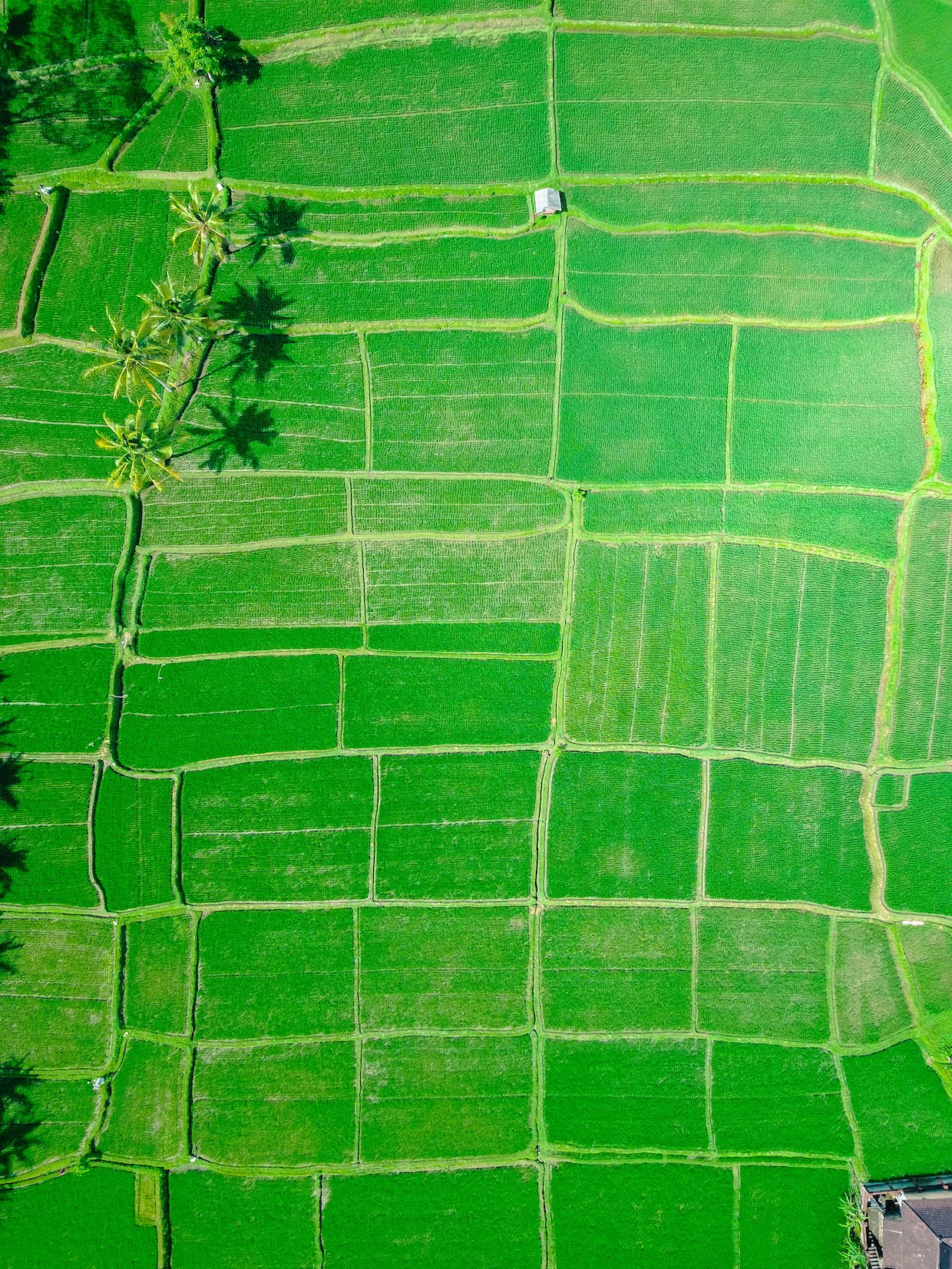
Rice fields.
The researchers said they hope their modeling can help provide support for government agencies, private-sector actors and others seeking to reduce deforestation.
Regulating Coffee But Not Cassava
The new research suggests coffee’s contribution to global deforestation is modest relative to several larger commodities. Coffee, cocoa and rubber combined account for less than 5% of agriculture-driven deforestation over the study period, while beef accounts for 40%.
The study also found that staple crops tied heavily to domestic food systems in many tropical countries drive more deforestation globally than coffee, including maize at 4%, rice at 4% and cassava at 3%.
“The debate on deforestation has circulated a lot around how people in rich countries like ours cause deforestation with our commodities imports, and this is absolutely important to get to grips with,” Persson said in an announcement of the study. “But we mustn’t forget that a large proportion of deforestation is driven by agricultural production for domestic markets. So to really reduce deforestation, we must also take action in the producer countries.”
The EUDR Subtext
For coffee, the study arrives at a consequential regulatory moment. The EUDR, which covers coffee, cocoa, cattle, palm oil, soy, rubber, wood and certain derived products, has faced repeated delays and political pushback since it was adopted.
The European Parliament voted in late 2025 to delay the regulation, and enforcement dates are now set for Dec. 30, 2026 for large and medium operators and June 30, 2027 for many micro and small operators.
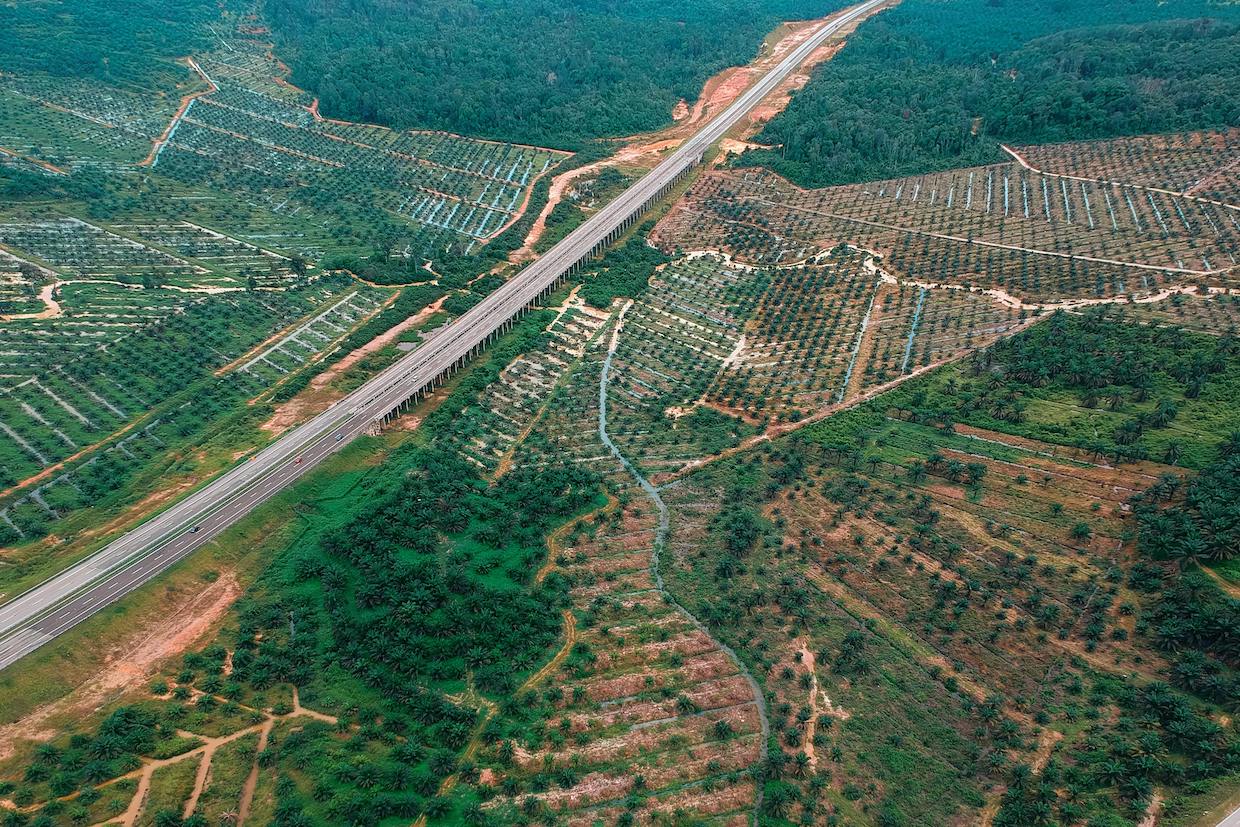
The EUDR remains contentious in the coffee industry, which has a history of both sustainability innovation and greenwashing. Coffee has been cited as a driver of tropical deforestation, yet it can also help protect forests and contribute to biodiversity in certain systems.
Producer groups, traders and large European roasters have repeatedly warned that poorly designed rules or last-minute changes could shut smallholder farmers out of the EU market, even as other companies and NGOs argue that long-signaled timelines and clear enforcement are needed to keep coffee-linked deforestation in check.
The authors of the new study suggested that DeDuCE data could help fill gaps in EUDR implementation by providing commodity-specific, country-level deforestation estimates for risk benchmarking.
“Our data shows where the risks are and where initiatives are needed most. The goal is for the model to connect researchers, decision-makers, companies and civil society,” Singh said.
The authors reported research support from the ÅForsk Foundation, the Belmont Forum through FORMAS and Chalmers’ Energy Area of Advance, and they declared no competing interests.
The dataset and source code are publicly available at deforestationfootprint.earth, where country- and commodity-specific estimates can be explored. The researchers say they plan to expand the model to cover non-food commodities, including the mining and energy sectors.
Comments? Questions? News to share? Contact DCN’s editors here. For all the latest coffee industry news, subscribe to the DCN newsletter.
Nick Brown
Nick Brown is the editor of Daily Coffee News by Roast Magazine.