Airline stocks fell collectively. As of press time, China Eastern Airlines (00670) dropped 4.6%, trading at HKD 3.73; China Southern Airlines (01055) fell 4.02%, trading at HKD 4.06.
According to Zhitong Finance, airline stocks fell collectively. As of press time, China Eastern Airlines (00670) dropped 4.6%, trading at HKD 3.73; China Southern Airlines (01055) fell 4.02%, trading at HKD 4.06; Air China (00753) declined 3.01%, trading at HKD 4.83; Cathay Pacific (00293) fell 2.56%, trading at HKD 11.44.
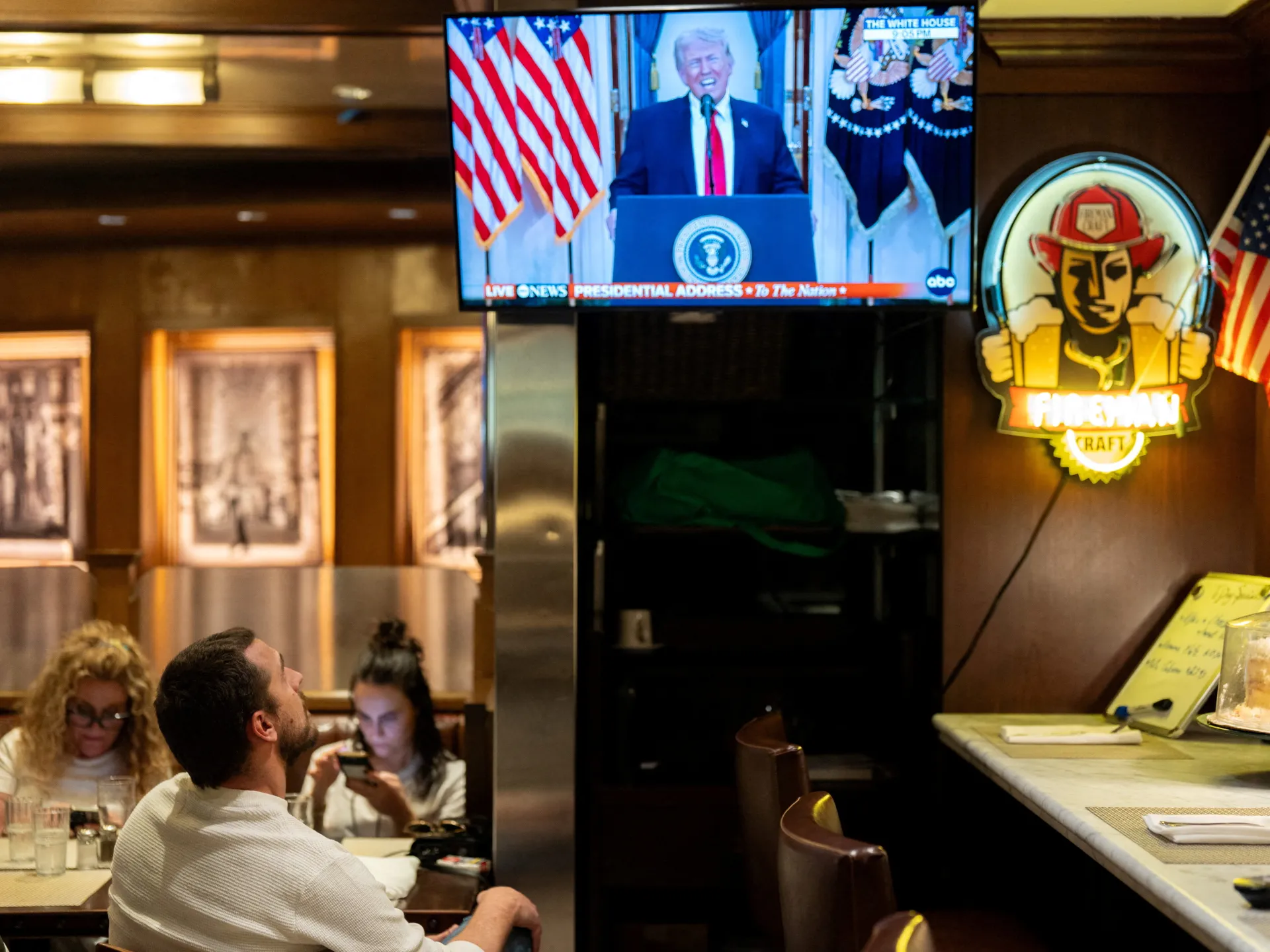
In terms of news developments, U.S. President Trump delivered a televised speech this morning on the situation in the Middle East, warning that the U.S. would launch an extremely severe strike against Iran within the next two to three weeks, even threatening to bomb local power plants if no agreement is reached. His hardened stance diminished market hopes for a swift end to the conflict. Affected by this, international oil prices surged significantly. As of press time, WTI crude oil rose over 4%, trading at USD 104.35 per barrel, while Brent crude oil gained nearly 5%, trading at USD 106.195 per barrel.
Cathay Pacific Haitong Securities noted that fuel costs account for approximately 35% of airline expenses, and static estimates indicate a significant impact on profitability, with actual effects depending on supply and demand dynamics. China’s aviation supply has entered an era of low growth, while demand will benefit fully from consumption stimulus measures. Continued improvement in supply-demand conditions will ensure the impact of oil price fluctuations remains less severe than anticipated. For domestic routes, a fuel surcharge will be imposed, covering a substantial portion of the oil price increase, with improving supply-demand dynamics aiding cost transmission. For international routes, disruptions to Dubai/ Doha and other key Eurasian hubs due to Middle East conflicts will result in higher ticket prices for China-Europe flights, driven by increased domestic and international transfer traffic, partially offsetting the rise in fuel costs.