Published on
March 20, 2026

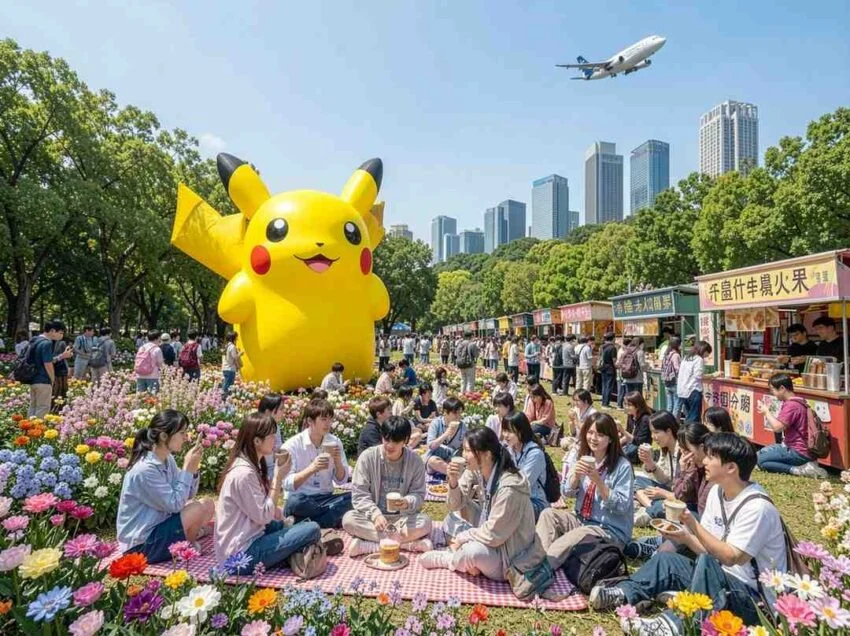
Image generated with Ai
South Korea, Japan, and Hong Kong are once again leading a powerful return to Taiwan, driving a surge that has pushed international arrivals past 8.57 million in 2025 and firmly placed the island back on Asia’s travel map. What makes this rebound striking is not just the numbers, but the way travelers are choosing to visit—short-haul, experience-driven trips built around festivals, food, and lifestyle events. With frequent flights operated by Korean Air, Cathay Pacific, and China Airlines, Taiwan has become one of the easiest and most appealing weekend international getaways in the region. At the same time, rising arrivals from Southeast Asia and long-haul markets like the United States are adding depth to this growth, bringing higher spending and longer stays that benefit the entire tourism ecosystem. Spring events such as those held at Daan Forest Park are further accelerating demand, blending nature, culture, and interactive experiences that resonate with modern travelers. Hotels operated by global brands like Hilton are seeing stronger occupancy, while airlines are increasing capacity to meet demand peaks tied to festival tourism. This convergence of accessibility, seasonal experiences, and diversified visitor markets is transforming Taiwan into one of the most dynamic travel destinations in Asia right now, where a simple city break can turn into a culturally rich, event-filled journey.
South Korea, Japan & Hong Kong Drive Taiwan Travel Surge as Airlines Expand Routes and Hotels Fill Fast
Taiwan’s tourism revival is no longer a projection. It is a measurable surge. In 2025, the island welcomed more than 8.57 million international visitors, marking a strong year-on-year increase and signaling a confident return of global travel demand. At the center of this growth are travelers from South Korea, Japan, and Hong Kong—three markets that have historically dominated inbound tourism and are now accelerating recovery through short-haul, high-frequency travel.
Airlines are responding quickly. Korean Air, Cathay Pacific, and China Airlines have all expanded flight frequencies into Taipei, particularly into Taiwan Taoyuan International Airport, the island’s main gateway. These routes are often under three hours, making Taiwan an ideal destination for weekend escapes and short cultural breaks.
Hotel groups are seeing the effects immediately. International brands like Hilton and Marriott International report stronger occupancy rates during weekends and festival periods. Spring, in particular, has emerged as a peak window. Events like the Taipei Floral Picnic are drawing regional visitors who prioritize experiences, scenery, and accessibility over long-haul complexity.
This shift reflects a broader travel trend. Tourists are no longer just visiting destinations. They are timing their trips around events. Taiwan is capitalizing on this behavior by blending seasonal festivals with urban convenience, creating a powerful combination that resonates with modern travelers.
Vietnam, Philippines & USA Fuel Taiwan Tourism Boom as Airlines Scale Capacity and Hospitality Revenue Climbs
While Northeast Asia remains dominant, Southeast Asia and long-haul markets are rapidly reshaping Taiwan’s tourism landscape. Travelers from Vietnam and the Philippines are rising sharply, driven by improved visa policies, affordable air connectivity, and growing middle-class demand for international travel. At the same time, the United States is emerging as a high-value market, with visitors staying longer and spending more per trip.
Advertisement
Advertisement
Low-cost carriers such as AirAsia and Scoot are expanding routes from Southeast Asia, making Taiwan more accessible than ever. Budget travel has opened the destination to younger travelers and group tours, particularly for leisure and lifestyle experiences.
From the United States, full-service airlines like United Airlines are increasing long-haul connectivity, linking major hubs like San Francisco directly to Taipei. These flights cater to both business and leisure travelers, many of whom extend their stays to explore Taiwan’s cultural and natural offerings.
Advertisement
Advertisement
The hospitality industry is benefiting from this diversification. Budget hotels and boutique accommodations are seeing increased demand from Southeast Asian travelers, while luxury and international hotel chains are capturing the higher spending power of American and European visitors. This dual-market growth is creating a balanced tourism ecosystem that reduces reliance on any single region.
Taipei Floral Picnic and Festival Tourism Redefine Travel Behavior in Taiwan
Taiwan’s tourism strategy is increasingly centered on lifestyle experiences, and the Taipei Floral Picnic is a prime example. Hosted at Daan Forest Park, the event transforms urban green space into a vibrant hub of culture, food, and recreation. It is not just a picnic. It is a curated experience designed for modern travelers who seek authenticity and social engagement.
The festival’s collaboration with Pokémon GO adds a digital layer to the experience, attracting younger audiences and tech-savvy tourists. Visitors can explore the park, participate in themed activities, and engage with interactive installations, all while enjoying the seasonal bloom of Taipei’s signature flowers.
This kind of event-driven tourism is highly effective. It encourages repeat visits, extends average stay duration, and increases per capita spending. More importantly, it positions Taiwan as a destination that evolves with traveler preferences, blending tradition with innovation.
Airlines Capitalize on Short-Haul Demand and Event-Driven Travel Peaks
Air travel patterns to Taiwan are shifting. Short-haul routes are becoming the backbone of inbound tourism, driven by convenience and frequency. Flights from Tokyo, Seoul, and Hong Kong operate multiple times daily, offering flexibility that appeals to both leisure and business travelers.
EVA Air and China Airlines have strengthened their regional networks, while foreign carriers continue to add capacity. Load factors are rising, especially during weekends and festival periods, when demand spikes due to events like the Floral Picnic.
For airlines, this translates into higher profitability on key routes. Short-haul flights are less costly to operate and benefit from consistent demand. The addition of event-driven travel further enhances revenue potential, as travelers are more likely to book last-minute and pay premium fares during peak periods.
Hospitality Industry Sees Revenue Growth from Diverse Visitor Segments
Taiwan’s hospitality sector is undergoing a transformation. The influx of visitors from multiple regions is creating varied demand across different price segments. Budget hotels are thriving on group tours from Southeast Asia, while upscale properties are attracting long-haul travelers seeking comfort and premium experiences.
Brands like Hilton and Marriott are expanding their presence in Taipei and other major cities. Their properties cater to international standards, offering amenities that appeal to global travelers. At the same time, local boutique hotels are gaining popularity for their unique designs and cultural authenticity.
Occupancy rates are particularly strong during spring festivals. Weekend bookings often reach peak levels, driven by both international visitors and domestic tourists. Restaurants, cafes, and retail outlets also benefit from increased foot traffic, creating a ripple effect across the local economy.
Tourism Spending and Economic Impact Strengthen Taiwan’s Position in Asia
Tourism is a significant contributor to Taiwan’s economy. With average spending per visitor exceeding US$1,200, the 8.57 million arrivals in 2025 represent a substantial economic injection. This spending supports not only airlines and hotels but also small businesses, cultural institutions, and transportation services.
The government is actively promoting tourism diversification. By targeting markets like India, Southeast Asia, and North America, Taiwan is reducing its dependence on traditional sources. This strategy enhances resilience and ensures sustained growth even in the face of global uncertainties.
Flight Connectivity Makes Taiwan a Seamless Destination for Global Travelers
One of Taiwan’s strongest advantages is its connectivity. Direct flights link Taipei to major cities across Asia, North America, and Europe. From Tokyo, the flight time is under three hours. From Seoul, it is even shorter. Long-haul flights from the United States typically take around 11 to 14 hours, depending on the departure city.
Airports in Taiwan are efficient and traveler-friendly. Taoyuan International Airport offers smooth immigration प्रक्रsses, modern facilities, and easy access to the city via high-speed rail and metro systems. This seamless connectivity enhances the overall travel experience, making Taiwan an attractive destination for both first-time and repeat visitors.
Travel Tips for Visitors Planning a Spring Trip to Taiwan
Spring is one of the best times to visit Taiwan. The weather is mild, flowers are in full bloom, and festivals are abundant. Travelers planning to attend events like the Taipei Floral Picnic should consider booking flights and accommodations in advance, as demand can be high.
Public transportation is highly efficient. The Taipei Metro system connects major attractions, while high-speed rail links cities across the island. English signage is widely available, making navigation easy for international visitors.
Food is another highlight. Taiwan’s culinary scene offers everything from street food to fine dining. Night markets are a must-visit, providing an authentic taste of local culture.
Travel insurance is recommended, especially for long-haul visitors. It provides coverage for medical emergencies and travel disruptions, ensuring peace of mind throughout the journey.
Future Outlook: Taiwan’s Tourism Growth Continues to Accelerate
Looking ahead, Taiwan aims to attract over 9 million international visitors annually. With continued investment in infrastructure, marketing, and event development, the country is well-positioned to achieve this goal.
Airlines will play a crucial role in this growth. Increased capacity, new routes, and competitive pricing will drive accessibility. The hospitality industry will continue to expand, offering diverse accommodations to meet the needs of a global audience.
South Korea, Japan, and Hong Kong are powering Taiwan’s tourism comeback, driving arrivals past 8.57 million as short-haul travel and festival experiences surge in popularity.
With airlines expanding routes and hotels like Hilton seeing rising demand, Taiwan is fast becoming Asia’s top event-driven getaway.
Events like the Taipei Floral Picnic will remain central to Taiwan’s tourism strategy. By combining nature, culture, and technology, these experiences create lasting impressions that encourage repeat visits.
Taiwan is not just recovering. It is redefining what a modern travel destination can be.