Published on
February 27, 2026
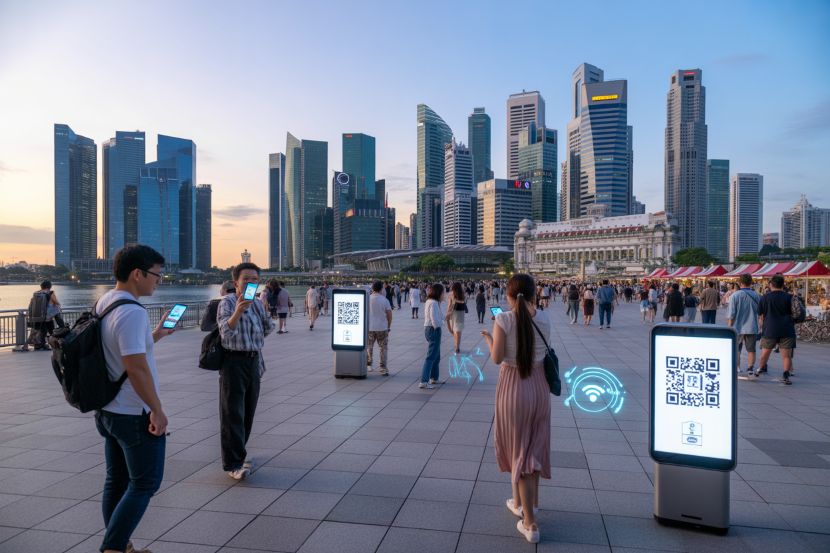
Image generated with Ai
In a major boost for Singapore’s tourism economy, the Singapore Tourism Board (STB) has strengthened its long-running collaboration with Ant International, expanding the reach of Alipay+ across the city-state’s travel ecosystem. The renewed multi-year partnership signals Singapore’s ambition to stay ahead as a digitally connected destination for travellers from China, Malaysia, Hong Kong, the Philippines and South Korea, among others.
As part of this deepened alliance, Singapore is not only enhancing secure mobile payments but also leveraging data-driven insights and AI-powered travel tools to better understand visitor behaviour and improve trip experiences. With Singapore ranking among the top five global travel destinations in 2025 on Alipay+ data and recording a 36% year-on-year increase in transactions, the city is positioning itself as a leader in frictionless, tech-enabled tourism. The expanded partnership underscores Singapore’s broader Tourism 2040 vision, aligning innovation with future travel demand.
A Digital Leap For Singapore’s Tourism Landscape
The renewed agreement builds on a partnership that began in 2018 and now moves into a more ambitious phase. At its core is Alipay+, Ant International’s unified wallet gateway that enables cross-border mobile payments from multiple international e-wallets and banking apps.
For travellers, this means fewer payment barriers and greater confidence when spending across Singapore — whether at luxury boutiques along Orchard Road, hawker centres in Chinatown, or attractions such as Marina Bay Sands and Sentosa Island. For businesses, especially small and medium-sized enterprises (SMEs), it means improved access to international visitors who prefer paying via mobile wallets from their home markets.
According to Alipay+ data, Singapore ranked among the top five global travel destinations in 2025, with transaction volume rising 36% year-on-year. Notably, spending through SGQR, Singapore’s unified QR payment system, nearly tripled compared to the previous year, demonstrating how digital adoption is reaching even smaller merchants.
How Alipay+ Is Reshaping The Visitor Journey
Through Alipay+, merchants in Singapore can now accept 25 international e-wallets and banking apps, enabling travellers from 17 markets to pay using familiar mobile platforms. This seamless payment experience reduces the friction often associated with currency exchange or card compatibility.
Advertisement
Advertisement
Beyond transactions, the partnership also integrates digital discovery tools. One of the highlights is Alipay+ Voyager, an in-app AI travel assistant offering personalised recommendations, merchant promotions, and in-app rewards. The tool enhances destination exploration by guiding travellers to dining, shopping and cultural experiences tailored to their preferences.
For tourists arriving during peak seasons such as Chinese New Year, the partnership will roll out targeted marketing campaigns to encourage spending and discovery across the island. These initiatives aim to align promotional efforts with high-traffic travel periods, ensuring visitors benefit from timely offers and curated itineraries.
Top Inbound Markets Driving Growth
The data reflects strong momentum from key Asian source markets. In 2025, the top inbound markets using Alipay+ in Singapore were:
- China
- Malaysia
- Hong Kong
- The Philippines
- South Korea
Transactions by Chinese travellers increased 26% year-on-year, reinforcing China’s importance as a primary tourism market for Singapore.
The steady recovery and expansion of travel between Singapore and neighbouring Malaysia, as well as other regional hubs such as Hong Kong and South Korea, show how digital readiness can influence travel choice. Visitors are more inclined to select destinations where mobile payments are widely accepted and trusted.
Strategic Alignment With Tourism 2040
The renewed collaboration supports the objectives outlined in Singapore’s Tourism 2040 roadmap, which focuses on cultivating future demand, enhancing destination appeal, and building a digitally enabled tourism ecosystem.
Singapore has long positioned itself as a Smart Nation, integrating digital infrastructure into daily life. For travellers, this translates into contactless transport payments, QR-based dining systems, digital boarding passes, and now, even more sophisticated mobile wallet integration.
The expanded partnership reflects an understanding that the modern destination is not only defined by attractions but also by technological convenience. By combining destination marketing expertise with payment technology and behavioural insights, Singapore aims to anticipate evolving traveller preferences and respond swiftly to global tourism shifts.
Travel Tips: Making The Most Of Digital Payments In Singapore
For travellers planning a trip to Singapore, the enhanced Alipay+ integration brings several practical benefits:
Unlock Smoother Transactions Across The Island
From Jewel Changi Airport to Clarke Quay, visitors can use supported mobile wallets for shopping, dining, and attraction tickets. This reduces the need to carry large amounts of cash.
Explore SME Gems With SGQR
Many small businesses — including local cafés, souvenir shops and neighbourhood markets — now accept SGQR-enabled payments. This opens up authentic local experiences beyond major malls.
Use AI Travel Assistants For Personalised Itineraries
Tools like Alipay+ Voyager can suggest restaurants, promotions, and attractions tailored to your interests, helping maximise your time in the city.
Plan Around Peak Seasons
During festivals such as Chinese New Year, look out for in-app promotions and joint campaigns offering discounts or rewards.
Strengthening Singapore’s Competitive Edge In Asia
As regional competition intensifies among destinations like Thailand, South Korea, and Japan, digital readiness is emerging as a decisive factor in traveller choice. Singapore’s proactive approach in integrating global e-wallets and AI-based discovery tools strengthens its position as a leading gateway to Southeast Asia.
By enabling trusted and familiar payment platforms for travellers from China, Malaysia and other high-growth markets, Singapore reduces friction at every stage of the journey — from airport transfers to retail purchases and cultural experiences.
This also enhances tourism spending. Digital transactions offer valuable data insights, allowing tourism authorities and merchants to understand visitor behaviour patterns, spending preferences, and peak activity periods. These insights can shape future marketing strategies and product development.
The Bigger Picture: Digital Ecosystems And Travel’s Future
Globally, travel is becoming more connected to digital ecosystems. The integration of payments, marketing, rewards, and AI-based recommendations into a single platform reflects a broader industry trend. Destinations that can combine culture, commerce and technology seamlessly are more likely to capture high-value travellers.
Singapore’s expanded collaboration with Ant International demonstrates how public tourism authorities and fintech companies can jointly shape the visitor economy. The focus is not only on attracting arrivals but also on enhancing the quality and value of each visit.
As international mobility continues to rebound and Asia remains one of the fastest-growing tourism regions, Singapore’s digital-first strategy may serve as a blueprint for other destinations seeking sustainable, tech-driven tourism growth.
A New Era Of Seamless Travel In Singapore
With digital wallets accepted widely, AI-powered travel assistants guiding exploration, and data insights informing smarter marketing, Singapore is crafting a visitor experience that blends efficiency with discovery. The strengthened alliance between STB and Ant International reflects a forward-looking strategy designed to keep Singapore at the forefront of global tourism innovation.
For travellers from China, Malaysia, Hong Kong, the Philippines and South Korea — and beyond — Singapore is positioning itself not just as a place to visit, but as a model for how technology can elevate the modern travel experience.