Sheikh Hasina: The pro-democracy icon who became an autocratpublished at 04:40 GMT
Anbarasan Ethirajan
Global Affairs Reporter
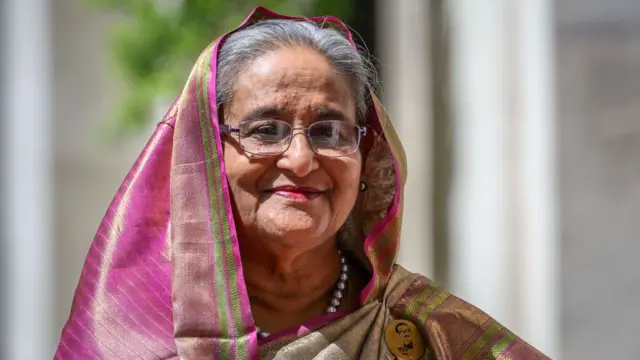 Image source, Getty Images
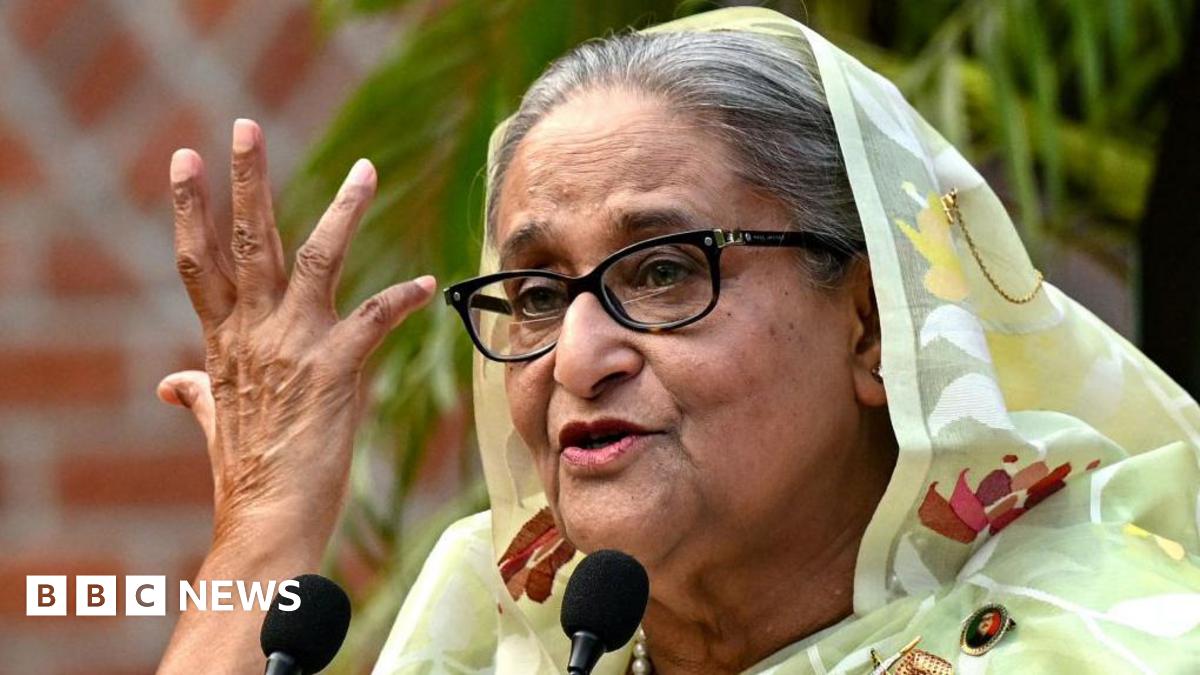
Sheikh Hasina was the longest-serving prime minister of Bangladesh. She became a pro-democracy icon when she joined hands with other political parties against military rule in the 1980s. She was first elected to power in 1996.
Her second stint that started in 2009 became controversial. It was marred by accusations of extra-judicial killings, enforced disappearances and the stifling of dissent, a remarkable turnaround for a leader who once fought for multi-party democracy.
Ms Hasina says the killings during the anti-government demonstrations last year were “tragic”, but categorically denied personally ordering security forces to fire at protesters in the weeks before she fled.
Her father Sheikh Mujibur Rahman led the country’s independence from Pakistan in 1971 and became its first president. Her father was assassinated with most of his family members in 1975. Only Ms Hasina and her younger sister Sheikh Rehana survived as they were abroad at that time.
Ms Hasina is a true political survivor, enduring numerous arrests while in opposition and several assassination attempts. But a guilty verdict today will significantly reduce her chances of a political comeback or even returning to Bangladesh in the near future.
Read more here about the pro-democracy icon who became an autocrat.

