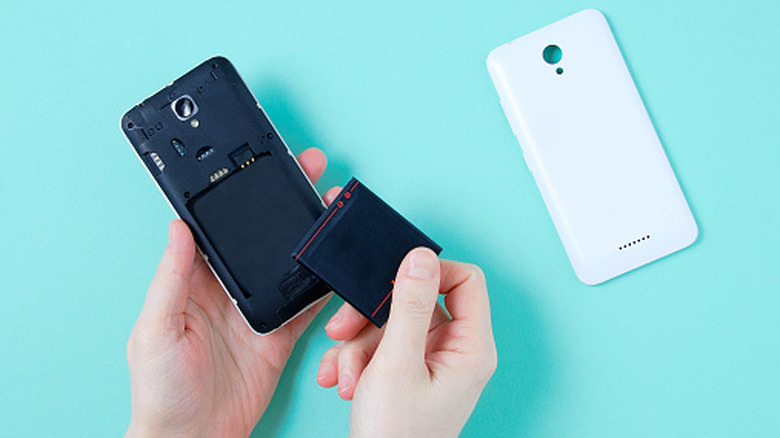
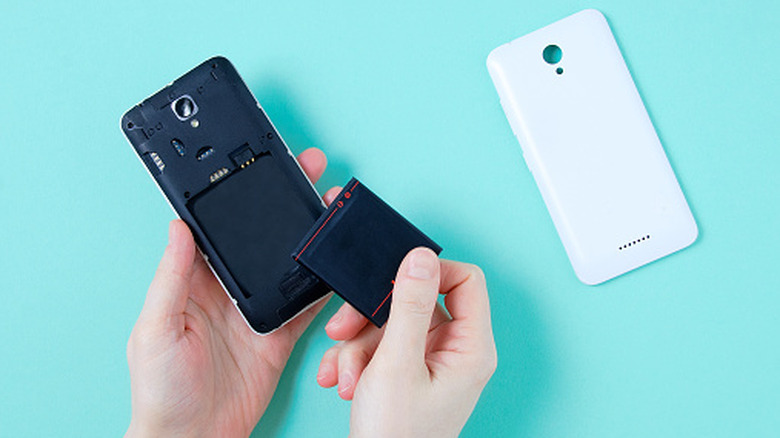
Many of today’s mobile phones, like the slim iPhone Air, are lightweight and sleek, with an advanced design and the latest in modern technology. It’s a far cry from previous models, which were bulkier, had buttons, and bulged in your pocket. But while mobile phones have evolved over the years, the current fixed-battery design is reverting to its old form, thanks to legislation from the European Union (EU). Based on these new guidelines, phones will once again need batteries that can be safely removed and replaced by the user.
The EU’s legislation also mandates that replacement batteries, while meeting the device’s technical specifications, not be bound by proprietary limits. This means that a phone must be able to accept a compatible battery that meets the device’s safety and technical standards, whether or not it’s manufacturer-branded. Plus, replacement batteries must be available to the user for at least 5 to 7 years following a model’s end of production. The EU has placed a date of February 18, 2027, for these expectations to be met.
However, as of this writing, the EU’s regulations do not directly impact removable smartphone batteries in the United States. Though the EU has influenced phone design in the past with USB-C ports, there’s been no public announcements from major manufacturers that other parts of the world will see the return of removable batteries. For now, only mobile phone users in the EU will be affected by the new rules.
Removable phone batteries: History, pros, and cons
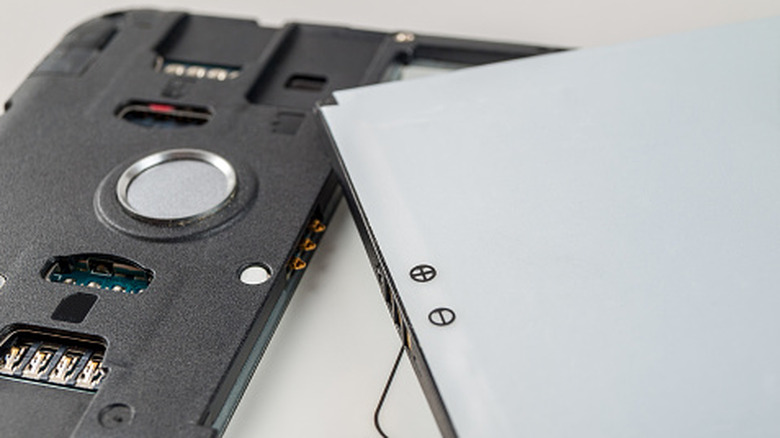
The EU’s new legislation requiring smartphones to have removable batteries accomplishes a few different things. First, allowing users to replace a spent battery with a new one helps extend the life of the device before its final disposal. Plus, it also enables battery repair or replacement without throwing out the entire phone. By giving users this capability, the rules are meant to encourage reuse of existing phones and help cut down on electronic waste.
Removable batteries were once very common in mobile phones. But that began to change in the mid-2010s, as technology improved. Lithium-ion batteries were more efficient than ever before, and their increased lifespan meant that they didn’t have to swapped out quite as often. As a result, both the iPhone 6, which Apple now considers to be vintage, and the Samsung Galaxy S6 had sealed backs. This made them more waterproof and streamlined than previous models. That’s because removable batteries require extra room. This change shifted the market, and the slim design became popular with users.
But if removable batteries become the norm once again, then phone design could take a step backward in terms of overall construction. That’s because cases may need to become thicker to accommodate the removable batteries, and additional safety features would need to be added to protect the new design as well. Until the top phone manufacturers reveal newer models to satisfy the EU’s standards, it’s unclear what changes users can expect to see.