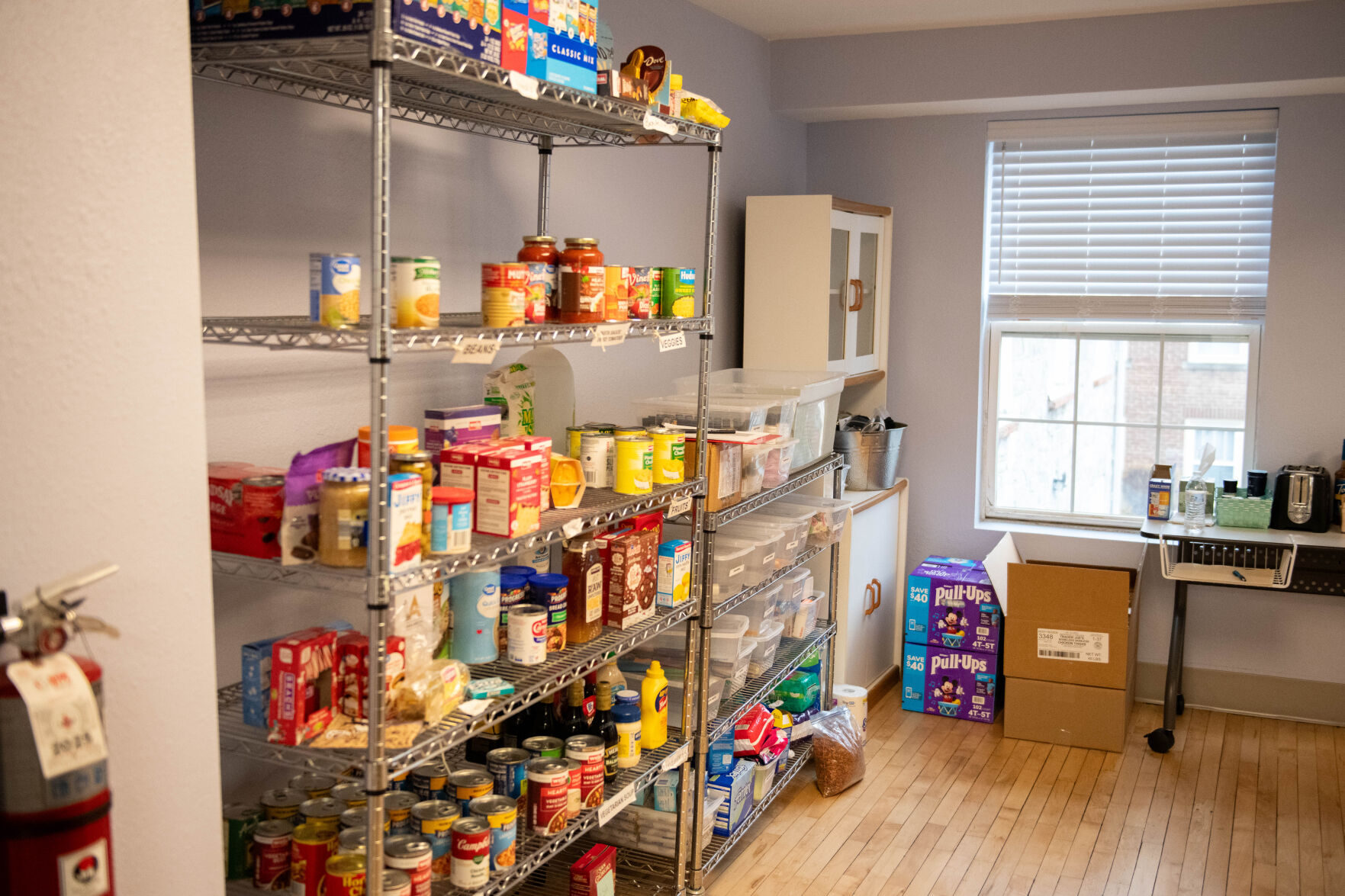
Between tuition, textbooks and late-night study sessions, eating healthy in college can feel impossible, especially when your meal plan runs out, but with the right strategies, eating well on a budget can be easy.
Nutrients
To start, it helps to understand the six essential nutrients that the body requires to function properly: carbohydrates, protein, fats, vitamins, minerals and water. Contrary to popular belief, these nutrients can be found in affordable food items. Carbohydrates can come from rice, bread, pasta and fruits. Protein is present in chicken, eggs and beans while fats are in things like olive oil, nuts and salmon.
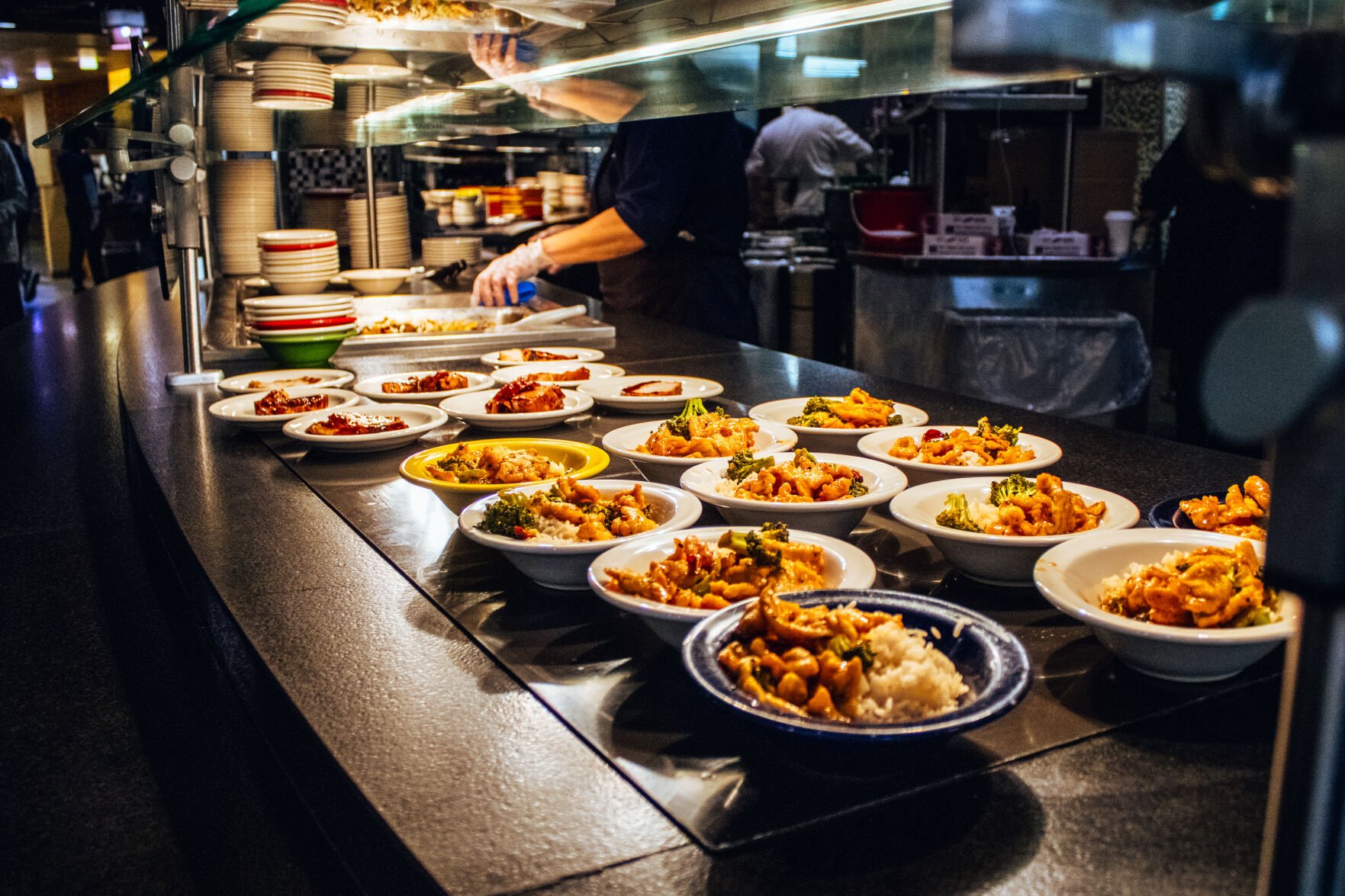
Food sits on a counter at the Pollock Commons Buffet on Thursday, Nov. 16, 2023 in University Park, Pa.
Minerals like potassium, calcium and iron can be found in meat, bananas and milk. These help with bone strength and nerve function to keep that brain sharp for that 8 a.m class you’re half asleep for.
Water is arguably one of the most important nutrients, as it supports digestion, hydration and blood circulation. An easy way to save money on water is to buy water in bulk or purchase a reusable water bottle. Places like Sam’s Club, located a few minutes off-campus, sell packs of 40 bottles for roughly 4 dollars, which is cheaper than consistently buying individual bottles.
If you decide to buy a reusable water bottle — a much cheaper and sustainable option — there are water-filling stations in almost every building and on every floor on campus. For a more elevated taste, most dining commons offer a Bevi — a water cooler that produces still, sparkling or flavored water that’s always filtered.
Groceries
Students at Penn State have access to a wide range of grocery stores near campus. Wegmans, Giant, Trader Joe’s, Aldi and Walmart are all located in State College. Each store offers different price points that accommodate student budgets.
Wegmans and Giant provide online tips and articles about eating healthy on a budget, while Aldi and Walmart are the most affordable stores for produce and pantry staples.
McLanahan’s Market, located on East College Avenue, is convenient for quick items when students don’t want to travel far.

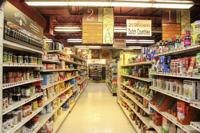
Food lines the aisle in McLanahan’s Downtown Market on Thursday, Nov. 20 2025 in State College, Pa.
Many stores also offer digital coupons in their apps, so checking them before shopping can save you several dollars.. Buying groceries from a variety of these stores helps you get the best deals and freshest ingredients.
One of the most filling and cost-effective meals for students is soup. Many recipes start with inexpensive ramen packs, which can be elevated by adding budget-friendly protein like chicken or shrimp. Although shrimp may seem expensive, Wegmans sells a 16-ounce bag for $12.99, making it affordable when spread across several meals.
Adding bok choy or an egg can boost nutrients without increasing the cost. Broth is also inexpensive and can be made at home by boiling chicken for around 30 minutes.
Budget
Another way to stay on top of your money is to create a monthly grocery budget. A commonly used structure is the 50/30/20 rule: 50% of income goes toward living essentials, 30% goes toward wants, and 20% goes toward savings or debt repayment.
From the 50% category, students can subtract the cost of bulk items or subscription orders, divide what remains by the number of weeks in the month, and then subtract weekly staples such as milk or eggs. The remaining amount is the weekly meal budget.
Shopping smart means understanding the benefits of buying in bulk. Sam’s Club offers an annual $50 membership — they are currently having a holiday offer that lowers the cost to $25 — which provides exclusive discounted prices on large-quantity items like rice, snacks, frozen foods and bottled water.
Though the upfront fee may seem high, the savings over the year can be significant, especially for students who cook often. A Sam’s Club membership also includes access to discounted gas, which can help cut costs even further.
Special Diets
Students following special diets still have plenty of low-cost options. Chicken, vegetables, rice, quinoa and other naturally gluten-free grains are cheap and easy to cook. Spices from places like T.J. Maxx or HomeGoods are only a few dollars and last a long time.
Students managing diabetes or practicing a low-carb diet can meal-prep on a budget too. Low-carb meals are usually high in fiber and help keep you full longer. Egg-based dishes are some of the cheapest options: egg bites with cottage cheese, onions, peppers and chives take about twenty minutes to make, cost around a dollar per serving and provide eight meals at once.

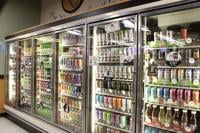
Drinks for sale sit in a cooler in McLanahan’s Downtown Market on Thursday, Nov. 20 2025 in State College, Pa.
Making big batches of meals and freezing leftovers also helps reduce waste, save money and save time during busy weeks. Cheap pantry staples like rice, crackers and dried fruit are also key to staying full on a budget.
Regardless of your financial situation, these tips and tricks can help you make the most of your time and money while keeping your health in check.
MORE NEWS CONTENT