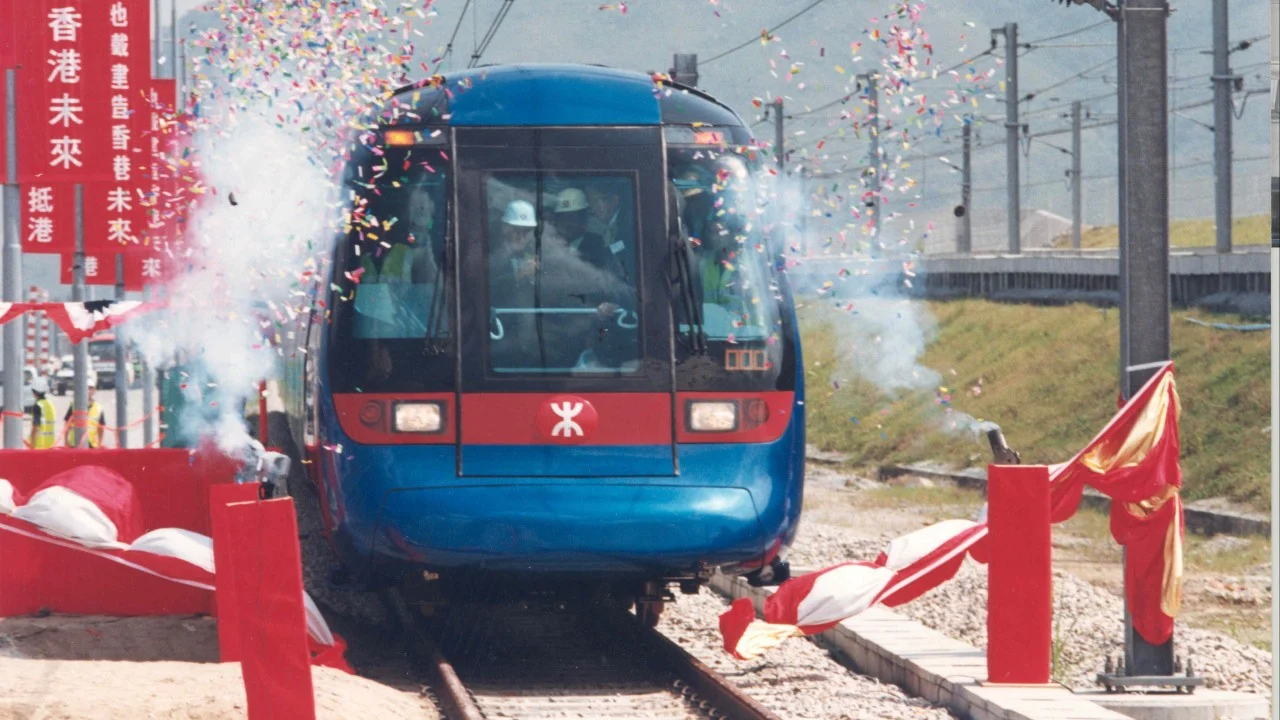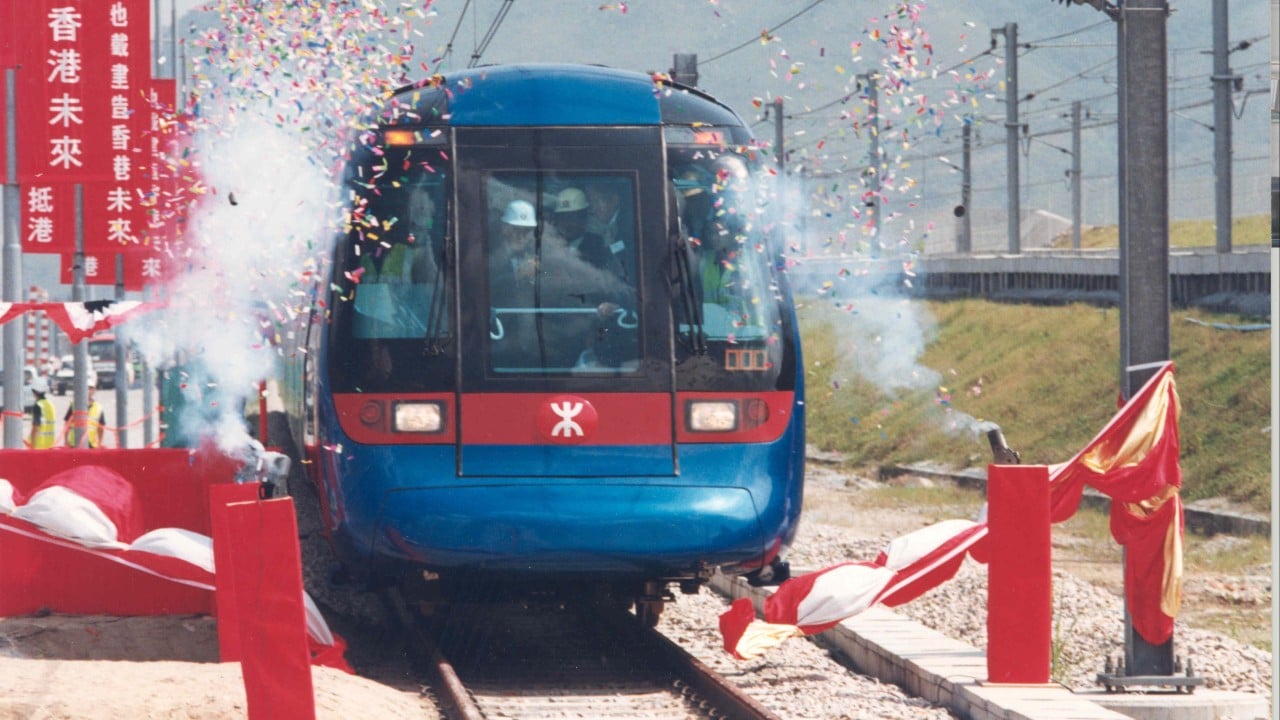
There was a time when landing in Hong Kong felt like arriving in the future. In 1998, the sleek
Airport Express glided out of Chek Lap Kok, whisking passengers directly to the heart of the city. It was a symbol of modernity and efficiency, placing Hong Kong among a handful of global cities with a dedicated airport rail link. We were pioneers and justifiably proud.
That pride now risks becoming a relic. While the Airport Express was once a point of differentiation, it is now becoming a point of parity. The
14th five-year plan included a stipulation that 80 per cent of the country’s international and regional aviation hubs should have a railway connection by 2025.
In response, airports across China are aggressively moving beyond conventional rail to build direct high-speed rail links. This national push is set to redefine regional dynamics in the Greater Bay Area with the coming second Guangzhou-Shenzhen high-speed railway.
This corridor serves a dual purpose. Primarily, it will seamlessly link the Guangzhou and Shenzhen airports in about 40 minutes, forging a powerful, integrated air-to-rail transport cluster. Furthermore, it will tightly weave together the city centres of Guangzhou, Dongguan and Shenzhen, dramatically compressing the distance between these urban hubs and their major aviation gateways.
This consolidation is likely to redirect passenger flows and reshape airline flight patterns within the Greater Bay Area. Passengers and airlines will naturally gravitate towards the most connected and convenient
aviation hubs. Once these new travel habits and operational models are established, they will become deeply entrenched and difficult to reverse.
Consequently, if Hong Kong rests on its laurels and fails to integrate into this cluster, it risks gradual marginalisation. The city could find itself transformed from a premier international aviation hub into a relative backwater, disconnected from the main currents of regional travel and commerce.
Source link
Visited 1 times, 1 visit(s) today