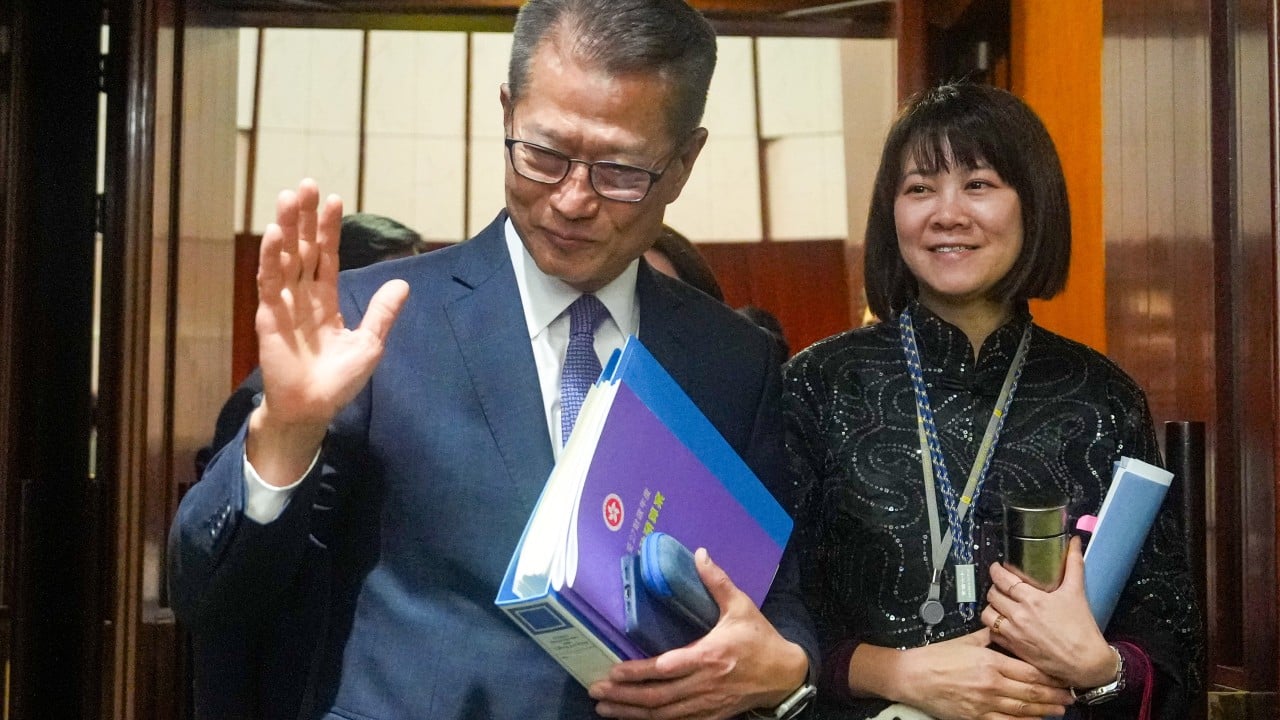
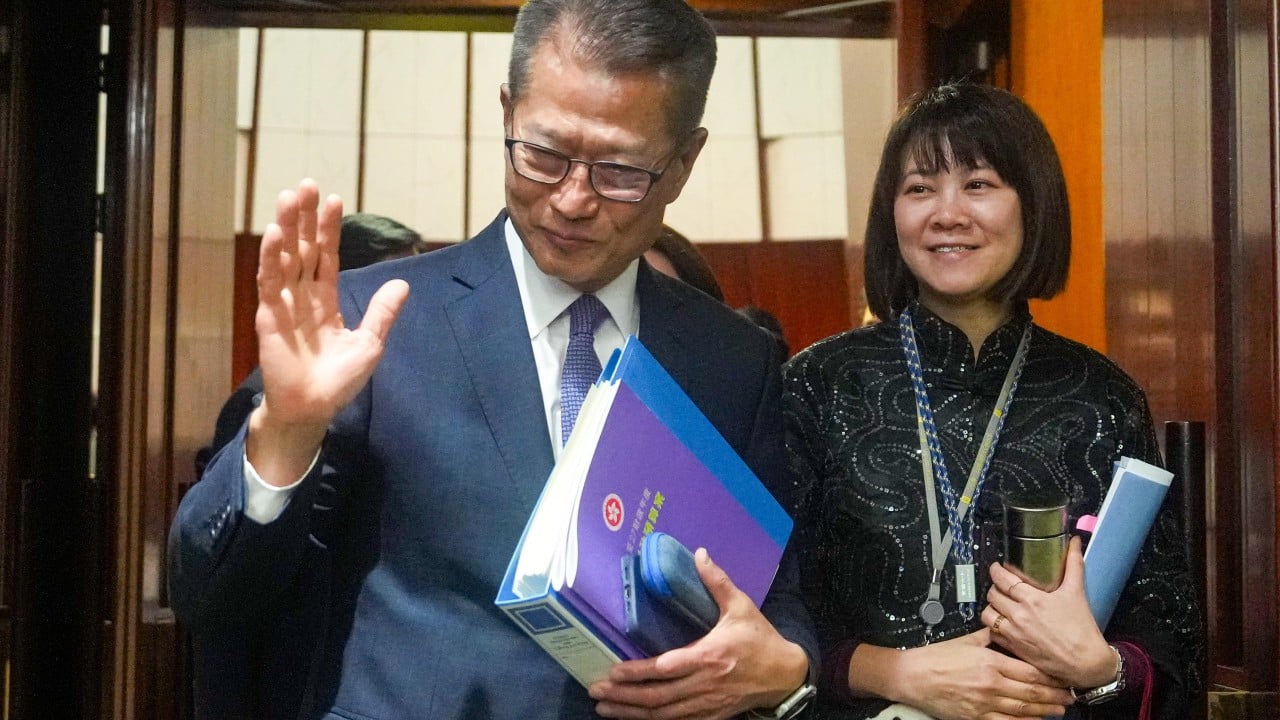
I am not sure everyone in Hong Kong has taken fully on board the breadth and depth of the city’s intended role in the future economic development of the nation. It is right there in the budget speech delivered by Financial Secretary Paul Chan Mo-po, and it is being fleshed out in the 15th five-year plan now under discussion in Beijing.
One way of looking at economic progress is to divide it into two main phases: first comes creation of a new product. The second phase covers widespread roll-out of the new product until it becomes a commodity which everyone takes for granted. The objective is to maximise efficiency in production, reduce costs and in the process make incremental improvements to the original invention.
The first phase is sometimes described as “zero to one”, i.e. there was nothing there before, and now there is something. The second phase covers subsequent development from one to an infinite number, otherwise known as “one to n”.
Much of China’s economic progress in the past 40 years has been in the second phase, taking an item that has been designed somewhere else then proceeding to mass production with economies and efficiencies of scale and progressive improvements. Examples include solar panels, electric cars and battery power storage.
In recent times, more emphasis has been placed on innovation from the beginning of the process. This is essential if the country is to deliver high-quality, high value-added industrial development and achieve diversified economic growth.

