Published on
January 3, 2026
Hong Kong has been positioned, firmly and strongly, as one of the world’s leading countdown destinations, as nearly 200,000 visitors trooped to the city during New Year’s Eve, reflecting a significant boost in its tourism sector. Numbers that reflected a 12% year-on-year increase in visitor arrivals between Christmas and New Year’s Eve demonstrated that the city retains much of its allure as one of the world’s premier holiday destinations. This influx of tourists speaks volumes about the relevance of the region’s festive atmosphere and diversity of offerings, even in the wake of adversities such as the recent tragedy in Tai Po.
Tourist Numbers Show Hong Kong’s Strong Global Appeal
Secretary for Culture, Sports, and Tourism, Rosanna Law Shuk-pui, noted that the increase in tourists was a testament to Hong Kong’s status as a magnet for travelers, particularly around the New Year’s Eve period. According to Law, approximately 200,000 people arrived on December 31, with 150,000 of those visitors coming from mainland China and 48,000 arriving from overseas. The impressive turnout demonstrates the city’s continued strength in attracting tourists, particularly during peak holiday events.
The surge in visitors is a positive sign for Hong Kong’s tourism recovery, especially as it continues to rebuild from previous disruptions. Law attributed the city’s festive charm and vibrant cultural activities as key factors drawing tourists, with New Year’s Eve serving as one of the most popular times to visit.
A Shift in Celebrations: Focus on Alternative Attractions
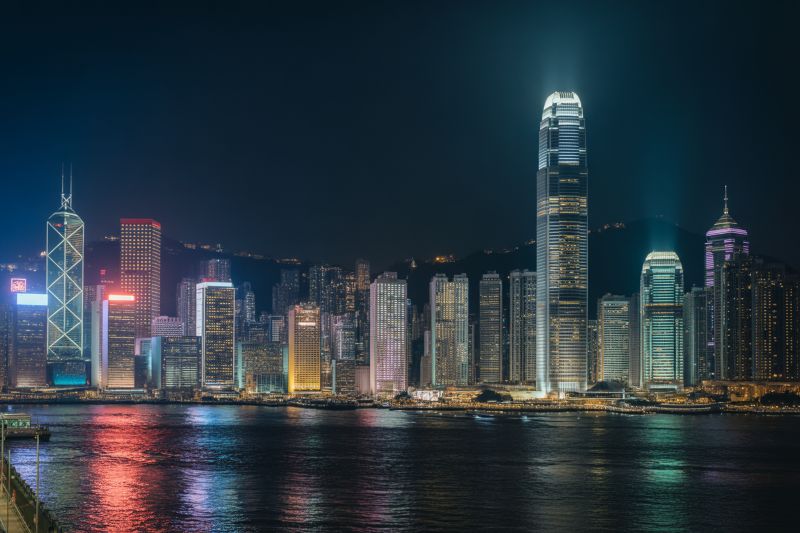
While Hong Kong’s famed New Year’s Eve fireworks show was canceled this year out of respect for the victims of the Tai Po fire tragedy, the event was still a success, albeit in a different form. The main event was relocated to Central, where performances by the Australian band Air Supply and light shows across eight iconic landmarks provided an engaging experience for those in attendance.
The cancellation of the fireworks did not dampen the city’s festive spirit. Instead, the government and tourism boards adapted by introducing new elements into the celebrations, such as a three-minute light show and 20-second countdown clocks displayed at key locations in Central. Law has hinted at the possibility of bringing back the fireworks in future years, possibly with new formats or additional components to further enhance the experience.
The shift in focus from fireworks to light shows and live performances underscores Hong Kong’s commitment to diversifying its offerings to maintain its status as a global tourism hub, even when traditional attractions are not available.
Promoting Diverse Experiences Beyond Central Hong Kong
While Central and Tsim Sha Tsui are well-established tourist hotspots, representatives in the tourism sector are emphasizing the need to spread visitors across all parts of Hong Kong. Tourism lawmaker Perry Yiu Pak-leung pointed out that areas like Central experience massive foot traffic during peak seasons, leaving other parts of the city much quieter by comparison. This disparity has prompted calls for initiatives that will encourage tourists to explore beyond traditional areas, redistributing visitor numbers across the 18 districts of Hong Kong.
One potential strategy to achieve this involves promoting the area surrounding Victoria Harbour, with particular emphasis on both sides of the harbor. The recent extension of the East Coast Boardwalk, which now stretches from the North Point Promenade to Quarry Bay, offers an exciting opportunity for visitors to explore new waterfront areas. The addition of ferry services linking Hong Kong Island and Kowloon further enhances the potential for harborfront tourism, providing a seamless experience for travelers to enjoy both sides of the city.
In addition to waterfront activities, the tourism sector is keen on offering more in-depth cultural experiences. One such example is the exhibition at the Yau Ma Tei Police Station, a historical site and popular selfie spot among mainland tourists. The exhibition, titled “A Cinematic Journey,” focuses on Hong Kong’s classic crime films, offering a unique and educational experience that stands in stark contrast to traditional shopping and sightseeing.
Boosting Accessibility and Expanding Offerings
As the tourism sector adapts to the evolving needs of visitors, there is a concerted effort to improve accessibility to different parts of the city. Timothy Chui Ting-pong, executive director of the Hong Kong Tourism Association, suggested that one way to facilitate this redistribution of tourists is through better transportation options. For instance, the introduction of new sightseeing bus routes could encourage visitors to explore lesser-known destinations across Hong Kong.
Chui also emphasized the importance of collaboration between various sectors, such as retail, transport, and catering, to make these experiences more accessible. By offering tourists a diverse range of activities, from heritage exhibitions to new outdoor spaces, Hong Kong can provide an enriching experience for both new and repeat visitors.
In particular, the tourism sector is focusing on “hotspot projects” that draw attention to more than just the usual tourist destinations. The Yau Ma Tei Police Station exhibition is just one example of the government’s initiative to encourage visitors to discover more off-the-beaten-path attractions. By diversifying the city’s offerings, Hong Kong can appeal to a wider range of tourists, from cultural enthusiasts to families seeking unique activities.
Hong Kong’s Tourism Recovery: A Promising Outlook for 2026
The data surrounding Hong Kong’s tourism performance in 2025 paints an encouraging picture of the city’s recovery. The total number of visitors last year exceeded 49 million, surpassing the government’s target of 49 million. With 74% of these visitors coming from mainland China and 26% from overseas, the city is seeing a steady influx of both regional and international tourists.
As Hong Kong enters the new year, the tourism industry remains optimistic about the future. By continuing to expand its offerings, enhance accessibility, and prioritize a more balanced distribution of visitors across the city, Hong Kong is positioning itself to remain a top destination for global tourists in 2026 and beyond.
Hong Kong’s Resilient Tourism Sector
The ability to attract tourists on New Year’s Eve, even when the fireworks were cancelled, shows adaptability and continued attraction. By focusing on diversification and improving their services, the tourism sector in Hong Kong is bound to flourish in 2026. The rich culture, lively ambiance, and convenient transportation make it imperative to continue being among the leading choices for tourists coming from across the globe.