Published on
January 19, 2026
The debate surrounding solo female travel to politically unstable regions has never been more pronounced than with the recent solo journey of a Hong Kong blogger to Iran, a country currently engulfed in social unrest. This trip, undertaken by a travel blogger known as “Bing,” has sparked fierce online discussions about whether visiting such nations is reckless or enlightening.
For Bing, the journey began in late December 2025, just days before Iran saw widespread protests that led to the government’s imposition of an internet blackout. Despite the red travel warning issued by Hong Kong authorities urging citizens to avoid non-essential travel to Iran, the blogger continued her trip, only to find herself briefly missing during the turbulent period. Although Bing was later confirmed to be safe by authorities, her disappearance ignited an emotional conversation about the safety of female travelers venturing into politically volatile zones.
The incident raised several important questions: Is it appropriate for women to travel to such dangerous regions? Can solo travel provide a unique cultural experience, or is it an unnecessary risk? This case also highlights the growing trend of solo female travel to destinations that many deem risky.
The Growing Popularity of Solo Female Travel
In recent years, more women have embraced the concept of solo travel, seeking the freedom to explore new cultures, landscapes, and people without the need for a companion. Social media platforms like Threads have become a space for sharing these experiences, and many solo female travelers report having fulfilling and enriching experiences in countries that may have been historically regarded as unsafe.
For instance, a female traveler named “Prototype___k”, who had visited Iran alone earlier in the year, defended her decision to travel to the country, calling it one of her “unforgettable” destinations. Despite acknowledging the potential risks, she detailed her preparations, including planning escape routes and contingency plans should the situation deteriorate further.
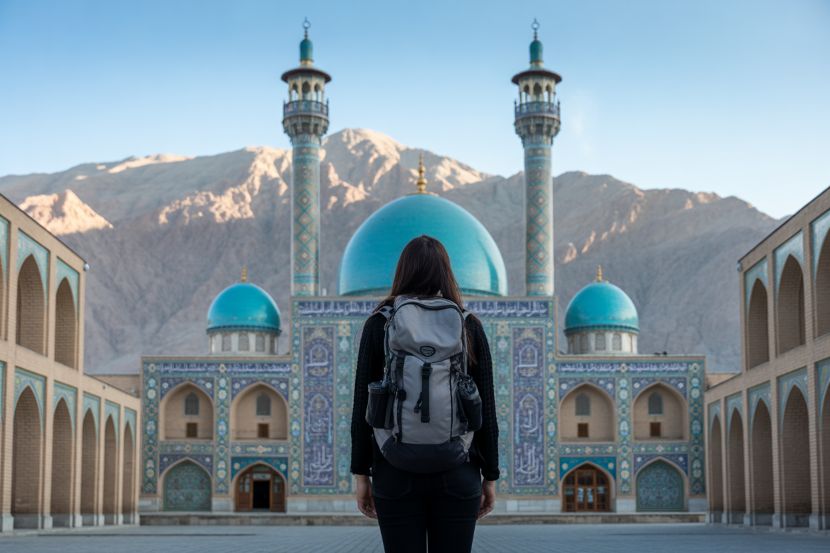
She posted photos of Iran’s stunning landscapes and religious sites, emphasizing her personal experience of witnessing the nation’s economic struggles, where hyperinflation had resulted in shops ceasing to mark prices, and the currency continued to plummet.
The Risk Factor: Should You Take the Leap?
While solo travel has been deemed empowering for many, it does not come without its share of risks, especially in regions with political instability. Iran, for example, has witnessed violent protests over the past several months, with demonstrators calling for change in the face of government crackdowns. The imposition of an internet blackout is also a critical warning sign for travelers.
For many, the danger of traveling to countries like Iran goes beyond the typical risks. There are concerns about being caught in political violence, facing harassment, or encountering a lack of emergency services. These factors can make solo travel feel far more perilous for women, who may already face social and cultural barriers that male travelers do not.
The Hong Kong government has made its stance clear by issuing travel advisories against non-essential visits to such high-risk regions, with authorities urging citizens to monitor local developments closely.
Travel Tips for Women Heading to Unstable Destinations
For those determined to explore destinations like Iran, here are some key tips to ensure safety and preparedness:
- Research Current Events: Always stay updated on the political situation. Use reliable news sources and official government sites to understand the region’s stability.
- Prepare for Contingencies: Know emergency exits, whether by land to neighboring countries like Armenia or via commercial flights if the situation worsens. Always have a backup plan.
- Stay Connected: In regions with internet blackouts, ensure you have alternative communication methods with family or local authorities, such as using local SIM cards or VPNs to access important updates.
- Travel in Groups: If possible, consider joining a tour group or connecting with other solo travelers for extra security.
- Be Discreet: While it’s important to embrace local cultures, solo travelers in politically volatile regions should be mindful of their public behavior, especially in areas with significant unrest.
The Impact of Travel Alerts and Safety Protocols
The rise of travel alerts and security measures from governments worldwide has significantly influenced the choices of travelers heading to potentially dangerous locations. While some believe these measures are overblown, others see them as necessary precautions to protect tourists from harm.
Iran’s tourism has been affected by its political and economic crises, with international tourism numbers declining as a result of these tensions. However, solo female travelers who do venture into such regions often report that the rich history, architecture, and natural beauty of countries like Iran make it a memorable experience, despite the inherent dangers.
Is the Risk Worth It? Understanding the Travel Divide
The question remains: Is traveling alone to Iran or similar countries truly an adventure, or does it cross the line into recklessness? For some, the cultural enrichment and the opportunity to experience a country off the beaten path outweigh the risks. For others, the potential for danger is too high, and traveling to politically unstable regions should be avoided.
As solo travel continues to grow in popularity, especially among women, travelers and tourists must weigh the personal rewards of exploring new cultures with the risks associated with traveling in volatile regions.

