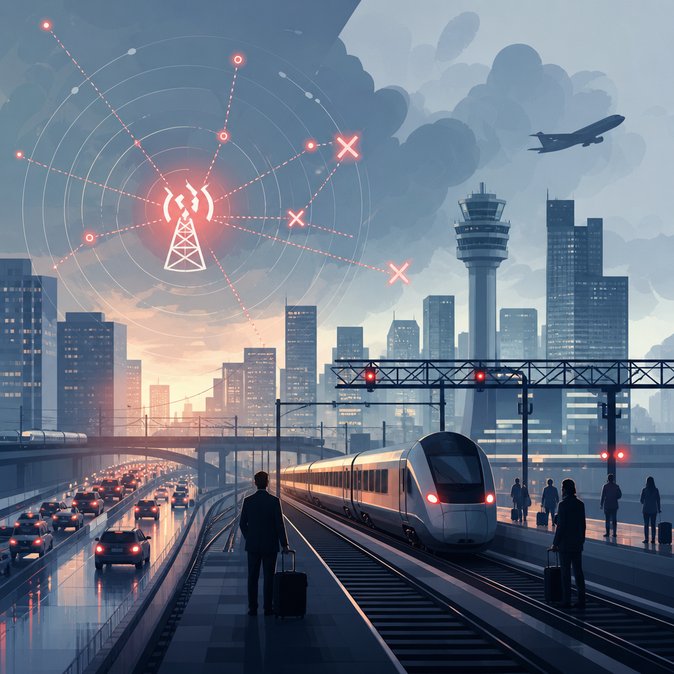
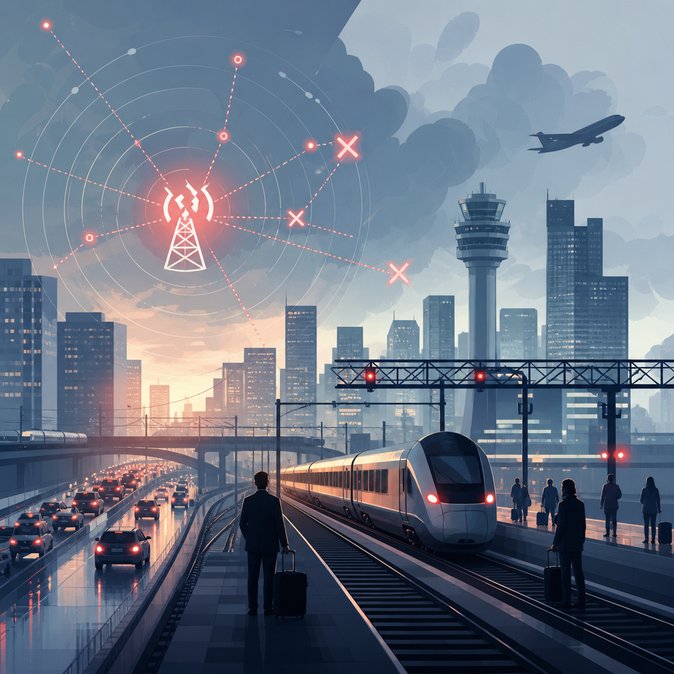
A communications failure at several Network Rail signalling centres on Tuesday, 19 May paralysed parts of Britain’s rail network for more than four hours, leaving thousands of commuters and international travellers struggling to reach airports and city centres. National Rail issued its first alert shortly after 13:00 BST, warning of radio-link outages that prevent train drivers from contacting signallers. Although engineers restored the system by mid-afternoon, train operators including Avanti West Coast, Great Western Railway, LNER, TransPennine Express and the Elizabeth line continued to impose speed restrictions while congestion cleared. National Rail forecast knock-on delays and cancellations until at least 18:00, with some services standing down altogether during the evening peak. Business-travel impact was immediate. The Elizabeth line—now the fastest growing access mode to Heathrow—reported residual delays, forcing some passengers onto the premium-priced Heathrow Express or into road traffic already heavy because of mid-week freight flows. Manchester Airport and Gatwick Airport both activated contingency bus shuttles for passengers whose connecting services were cancelled, while several corporate travel-management companies issued ‘trip-disruption’ advisories to clients relocating staff or hosting overseas visitors.
When sudden transport disruptions force itinerary changes, time-sensitive visa or travel-document updates can become an unexpected hurdle. VisaHQ provides a fast, online solution for obtaining or amending UK and global visas, with real-time customer support that keeps travellers on schedule even when rail or air plans shift unexpectedly. Explore services at https://www.visahq.com/united-kingdom/
The episode is a reminder that Britain’s railway radio network, introduced in phases from 2014, remains a single point of failure for passenger mobility. Rail Delivery Group officials noted that a forthcoming £1.2 billion digital-signalling upgrade programme—scheduled to start rolling out on the East Coast Main Line later this year—will include greater redundancy, but full national coverage will take until the early 2030s. For multinational employers, the short-term lesson is the value of dynamic itinerary tracking and multimodal backup plans. Mobility teams should encourage employees to opt in to rail-operator text alerts, maintain approved taxi suppliers outside London, and—where practicable—book flexible air tickets that can be re-timed without change fees when surface transport falters.

I completely agree with your points here. Hosting an outdoor hibachi party Washington DC style is the perfect way to celebrate the warmer weather with friends. The combination of fire tricks, great food, and fresh air is absolutely unbeatable.