
Plastic has become one of the most useful inventions of the modern age. It keeps food fresh, makes medical equipment safer, and makes daily life convenient. But the same material has also created a hidden problem. Over time, plastic breaks down into extremely tiny fragments known as microplastics. These particles are so small that they are almost invisible, yet they are now found everywhere, in oceans, rivers, soil, food, air, and even inside the human body.Scientists across the world have begun studying how these particles enter the body and what they might do once inside. The concern is not just environmental anymore. It has become a human health issue. Recent medical discussions suggest that microplastics could affect organs, disrupt hormones, and even trigger inflammation.
What exactly are microplastics?
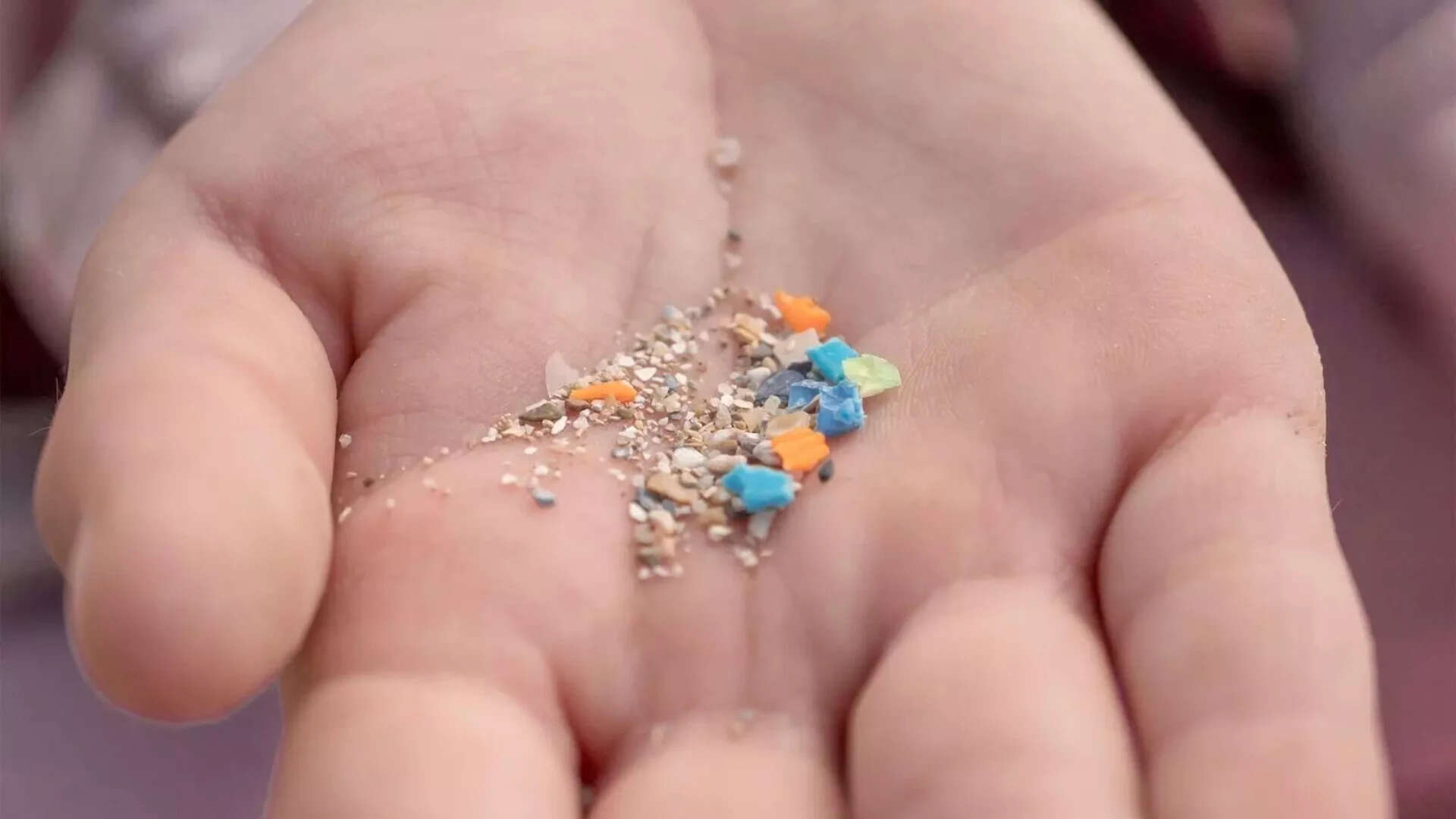
Microplastics are tiny fragments of plastic that measure less than 5 millimeters. Some are intentionally produced, while others form when larger plastic items slowly break down due to sunlight, heat, and friction.Dr Puneeth B S, Consultant in Medical Gastroenterology at Manipal Hospital Malleshwaram, explains the nature of these particles clearly, “Microplastics are tiny plastic particles smaller than 5 millimeters, so they are either intentionally produced such as microbeads in products or formed when larger plastics break down. Because they degrade very slowly, they persist in the environment and are now found in oceans, river, soil, air, food and even inside the human body.”Because plastic does not decompose easily, these particles can remain in the environment for decades. With time, they become smaller and harder to remove.Global monitoring studies have confirmed their widespread presence. The US Geological Survey (USGS) has detected microplastics in river water samples.These findings show how widespread the exposure has become.
How microplastics enter the human body
Humans encounter microplastics in several ways during daily life. The most common routes are through food, drinking water, and air.Dr Puneeth explains the pathways clearly, “We consume microplastics via contaminated seafood, drinking water, salt and packaged food. We also inhale them from indoor and outdoor air, especially from synthetic fibers, plastic dust and industrial emissions. Once released, these particles are nearly impossible to remove.”Indoor environments often contain microplastic particles released from synthetic fabrics, carpets, and household plastics. These particles float in the air and can be inhaled.Research supported by the National Institutes of Health (NIH) has confirmed that microplastics have been detected in human blood samples.This discovery suggests that the particles can move through the body after entering it.
What happens once microplastics reach the body
One of the biggest concerns is the size of these particles. The smaller they are, the deeper they can travel inside the body.Dr Puneeth highlights why scientists are particularly worried about the smallest particles.“Microplastics differ in size, shape and chemical makeup. Smaller particles, especially nanoplastics, are more concerning because they can cross biological barriers, enter the bloodstream and reach multiple organs.”Once inside the body, laboratory studies show several biological effects.These include:
- Irritation in the digestive system
- Inflammation in tissues
- Oxidative stress in cells
- Disruption of the gut microbiome
Research from the European Environment Agency notes that microplastics can carry toxic chemicals and pollutants, which may increase health risks when they enter the body.This means the particles themselves are not the only concern. They may also transport harmful substances such as heavy metals and industrial chemicals.
Organs that may be affected
Although long-term human studies are still limited, laboratory research has shown possible effects across several body systems.Dr Puneeth explains these findings, “In the digestive tract, microplastics can irritate the gut lining, disturb the microbiome and cause inflammation and abdominal symptoms. In the lungs, inhaled particles may trigger airway inflammation, oxidative stress and cellular damage.”Researchers are also studying how these particles interact with hormones and the immune system.“They can disrupt the endocrine system, interfering with hormones and contributing to metabolic, developmental and reproductive disorders. Effects on the immune system include chronic inflammation, and emerging evidence suggests possible neurotoxic risks.”Another concern is that microplastics may act as carriers for toxic substances.“Microplastics also act as carriers for toxic chemicals like heavy metals and organic pollutants, increasing overall toxicity.”Animal studies repeatedly show inflammation, metabolic changes, and tissue injury after exposure. But scientists emphasize that human evidence is still developing.
What science still does not know
Despite growing evidence, researchers say the full impact on human health remains uncertain.Dr Puneeth points out an important limitation in current research, “However, human data are still limited. True exposure levels, safety thresholds and long-term disease risks remain unclear.”In simple terms, scientists know that microplastics enter the body and interact with biological systems. What remains unclear is how much exposure becomes dangerous over decades.This uncertainty is why many health experts now argue for stronger environmental policies and more research funding.
Reducing exposure in daily life
Complete avoidance of microplastics is nearly impossible today. But experts say small lifestyle changes can reduce exposure.Dr Puneeth recommends several practical steps, “To reduce exposure, avoid single-use plastics. Do not heat food in plastic containers and prefer glass or steel. Use safe water filtration, improve indoor ventilation and reduce synthetic textile dust.”Waste management also plays an important role. Proper recycling and waste segregation help reduce plastic breakdown in the environment.“Microplastics are now part of daily life, making exposure reduction and stronger environmental policies essential for protecting present and future generations.”
The larger picture
Plastic pollution was once viewed only as an environmental issue. Now it is slowly being recognized as a public health challenge.The particles that once floated in oceans are now appearing in the human bloodstream, lungs, and digestive system. The science is still unfolding, but one fact is clear: the story of plastic is no longer just about waste. It is also about what happens inside the human body.The coming decade will likely bring clearer answers. For now, awareness and cautious habits remain the best defence.Medical experts consulted This article includes expert inputs shared with TOI Health by: Dr Puneeth B S, Consultant in Medical Gastroenterology at Manipal Hospital Malleshwaram.Inputs were used to explain how microplastics can enter and accumulate in the human body, with doctors outlining the potential health risks and why reducing exposure and seeking medical guidance is important for long-term health.