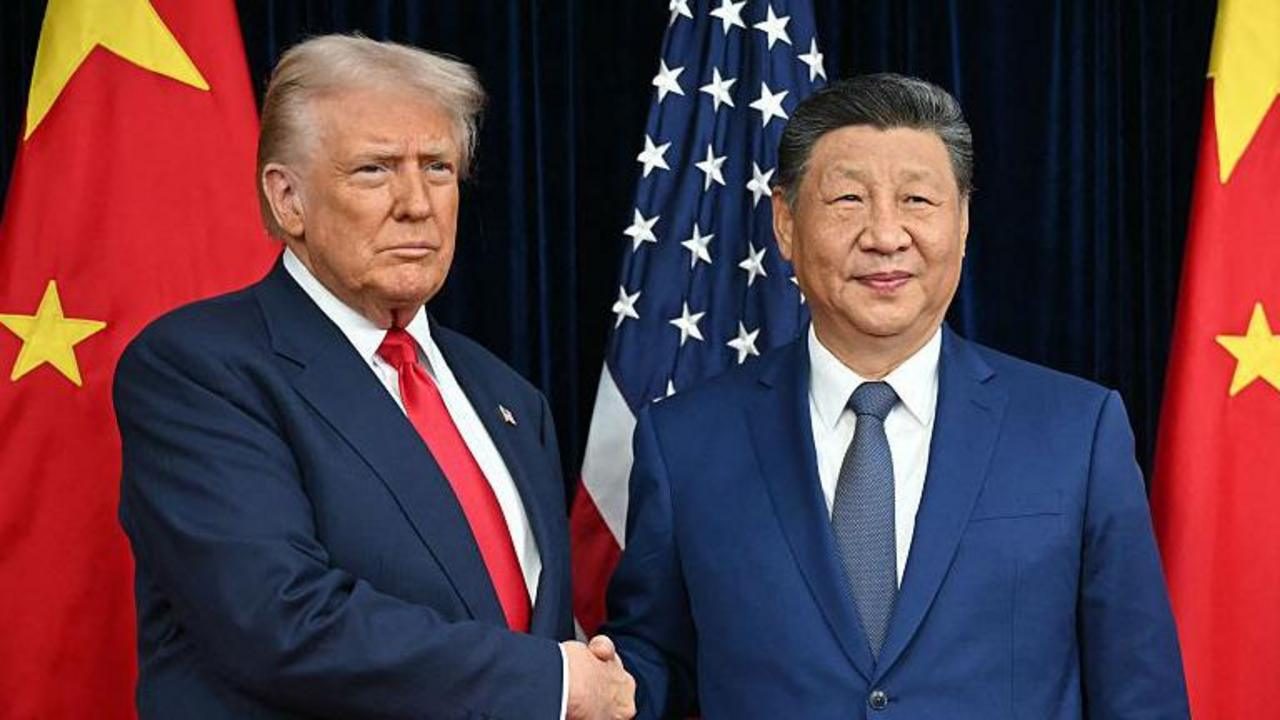
A planned summit between Donald Trump and Chinese President Xi Jinping — one of the most consequential diplomatic meetings of the year — has been pushed back by roughly a month, with the Iran war cited as the reason for the delay.
Trump announced the postponement on Monday, speaking to reporters at the White House. The meeting had been scheduled to take place between March 31 and April 2, following the two leaders’ last face-to-face talks in October last year. Now, Washington has formally requested that Beijing agree to push the visit back by around four weeks.
The decision reflects just how much the Iran conflict has reshuffled Trump’s foreign policy calendar — and raises immediate questions about the future of US-China relations at an already delicate moment.
Why Trump Says He Needs to Stay Home
Trump was direct about his reasoning. The Iran war, he told reporters, demands his personal attention, and he believes it is critical that he remain available to manage the conflict rather than travel abroad for high-level diplomacy.
“We’ve got a war going on. I think it’s important that I be here.”
He was also clear that the delay is not a sign of any cooling in the US-China relationship. “I’m looking forward to being with him,” Trump said, referring to Xi. “We have a very good relationship.” He added: “There’s no tricks to it either. It’s very simple.”
That framing matters. Any postponement between the world’s two largest economies carries the risk of being misread — by markets, by allies, and by rivals — as a sign of diplomatic friction. Trump appeared eager to head that interpretation off immediately.
What the Iran War Has to Do With a China Summit
The Iran conflict has, by Trump’s own account, eclipsed most of his other foreign policy priorities. Beyond the human and military dimensions of the war, it is also driving significant disruptions to the global oil supply — disruptions that carry a direct risk of pushing fuel and energy prices higher inside the United States.
That domestic economic pressure gives Trump a strong political incentive to stay close to the situation. An overseas trip to China — even a diplomatically vital one — creates the optics of an absent commander-in-chief at a moment when Americans are watching their energy costs.
US Treasury Secretary Scott Bessent addressed the delay on Monday as well, pushing back on any suggestion that the postponement was connected to trade tensions or to US requests that Beijing play a role in the Gulf situation. According to Bessent, the delay is not the result of Washington asking China to help manage the conflict, nor is it tied to any outstanding trade disagreements between the two countries.
Key Facts About the Delayed Trump-Xi Meeting
| Detail | Information |
|---|---|
| Original meeting dates | March 31 – April 2 |
| Requested delay | Approximately one month |
| Reason given by Trump | Iran war requires his presence in the US |
| Last Trump-Xi face-to-face meeting | October (last year) |
| China’s response | Chinese embassy said it had seen reports but had no information to provide |
| US Treasury Secretary’s position | Delay not linked to trade disputes or Gulf-related requests to Beijing |
- Trump personally announced the delay to reporters at the White House on Monday
- The request for a delay came from the US side
- Trump described his relationship with Xi as “very good”
- The Iran war has also caused disruptions to global oil supply, with potential knock-on effects for US energy prices
How This Affects the Bigger Picture Between the US and China
The Trump-Xi summit was already being watched closely by governments, businesses, and investors around the world. US-China relations have been under sustained strain — covering everything from trade tariffs and technology restrictions to tensions over Taiwan and competing influence in the Indo-Pacific.
A face-to-face meeting between the two presidents carries symbolic and practical weight. It signals whether the two sides are willing to manage their rivalry through dialogue, and it often creates space for back-channel agreements on economic and security issues that can ripple through global markets.
Pushing the meeting back by a month is unlikely to cause lasting damage on its own — but it does extend a period of uncertainty at a time when businesses on both sides of the Pacific are already navigating significant trade and geopolitical risk.
The Chinese embassy’s response — confirming only that it had seen the reports, without offering any further comment — is a measured non-reaction. Beijing is not publicly pushing back, but it is also not visibly endorsing the delay.
What Happens Next
Based on Trump’s statement, the expectation is that the meeting will be rescheduled for approximately one month after the original late-March window — putting a potential new date sometime in late April or early May, though no confirmed date has been announced.
Whether the Iran war will have stabilized enough by then to allow Trump to travel remains an open question. If the conflict intensifies further, another delay is not out of the question — though Trump gave no indication that he sees this as anything other than a short-term adjustment.
Both sides have an incentive to make the meeting happen. For Trump, a successful summit with Xi would represent a major foreign policy milestone. For Beijing, direct access to Trump at a moment of global economic turbulence is equally valuable. The delay is a pause, not a cancellation — but the world will be watching to see whether the rescheduled date holds.
Frequently Asked Questions
Why did Trump delay his meeting with Xi Jinping?
Trump said the Iran war requires him to remain in the United States, and that it is important he be available to oversee the conflict rather than travel abroad.
When was the Trump-Xi summit originally scheduled?
The meeting was set to take place between March 31 and April 2.
How long is the delay expected to be?
Trump said the US has requested a delay of approximately one month, though no new confirmed date has been announced.
Is the delay connected to trade tensions between the US and China?
US Treasury Secretary Scott Bessent said on Monday that the delay is not due to trade disagreements or to any US request that Beijing assist in the Gulf situation.
How did China respond to the news?
The Chinese embassy in Washington told the BBC it had seen the reports about the meeting but did not have any information to provide.
When did Trump and Xi last meet in person?
Their most recent face-to-face meeting took place in October last year.