Published on
February 15, 2026

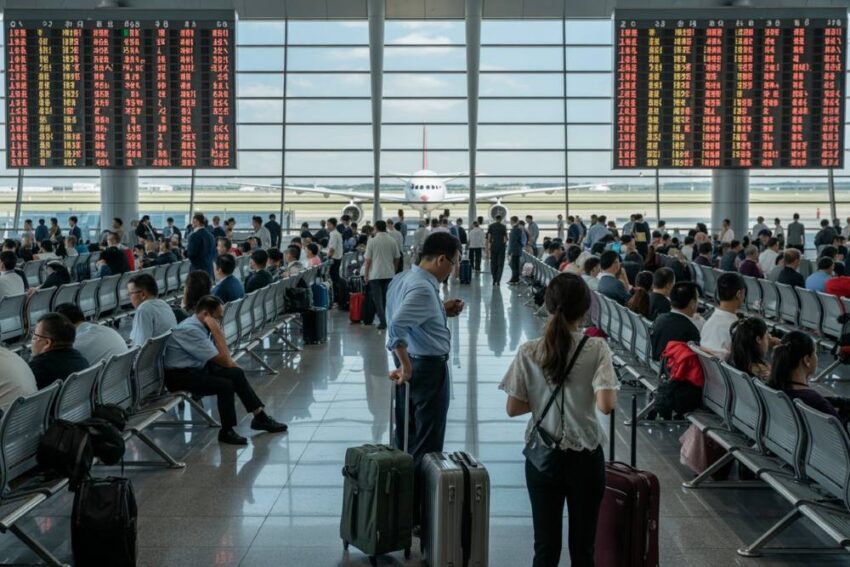
Image generated with Ai
Hundreds of passengers are stranded across major Chinese airports today as China Eastern, Shanghai Airlines, Shenzhen Airlines, Spring Airlines, and several others face 54 cancellations and 1,171 delays. This widespread disruption is hitting airports in Shanghai, Beijing, Xi’an, Chengdu, Harbin, Wenzhou, Nanchang, Shenyang, and many other cities, leaving travelers in limbo. The ongoing issues have created a travel nightmare, particularly for those heading to international destinations or connecting through key hubs in China. As passengers are forced to wait for rebookings or rescheduled flights, the chaos at these airports is only escalating. Airlines are struggling to manage the flow of delayed flights, while passengers face extended waiting times, leaving many isolated for hours. This situation is testing the patience of travelers, especially during the busy travel season in China.
Travel Disruptions Across Major Chinese Airports: Delays and Cancellations Surge
As air travel across China faces significant disruptions, multiple airports have reported widespread delays and cancellations, causing major inconvenience to passengers. Several major cities, including Shanghai, Wenzhou, Xi’an, Beijing, Chengdu, Harbin, and Nanchang, have seen flight operations severely affected, leading to a ripple effect across both domestic and international routes. The disruptions come amidst increasing travel demand and bad weather conditions, creating a storm of challenges for airlines and travelers alike.
Total Delays and Cancellations Today
Today’s flight disruptions across China have reached alarming levels. A total of 1,171 delays and 54 cancellations have been reported at major Chinese airports. This is a troubling trend, as the country’s air travel hubs are critical to both domestic travel and international connectivity.
Shanghai Pudong and Wenzhou: Major Hotspots of Disruptions
Shanghai Pudong International continues to experience major delays. With 501 delays and 9 cancellations today, it remains one of the worst-hit airports. Airlines such as China Eastern and Shanghai Airlines are responsible for a significant portion of these disruptions. Passengers at Shanghai Pudong can expect long waiting times and potentially canceled flights, especially those flying with China Eastern, which has seen 7 cancellations and 162 delays, accounting for 31% of delays today.
Advertisement
Advertisement
Meanwhile, Wenzhou International Airport is also grappling with disruptions. China Express Airlines, Shanghai Airlines, and China United Airlines are among the airlines affected. Travelers flying Shanghai Airlines have faced considerable delays, with 28 delays and 4 cancellations today. The impact on these airports is felt by both domestic travelers and those heading to international destinations.
Nanchang Changbei International and Other Airports Hit by Disruptions
In Nanchang Changbei International, flight cancellations and delays have been caused by airlines like Shenzhen Airlines, Spring Airlines, and China Southern Airlines. Shenzhen Airlines reported the highest share of delays, with 13 delays and 3 cancellations. Spring Airlines also contributed with 7 delays and 3 cancellations. The delays from these airlines significantly impact travelers in the central and eastern regions of China.
Advertisement
Advertisement
Meanwhile, airports in cities such as Xi’an, Beijing, Chengdu, Harbin, and Shenyang have faced flight delays and cancellations. The disruptions come during a period of high traffic across the country, particularly in popular travel hubs like Beijing Capital International and Xi’an Xianyang International, where delays have reached 188 and 130, respectively.
Analysis: Affected Airlines and Passengers
The airlines that have been hit hardest include China Eastern, Shanghai Airlines, and Shenzhen Airlines, with high numbers of delays and cancellations today. Passengers traveling with these airlines should expect considerable delays and potentially rescheduled flights, especially as airports struggle with managing the high volume of traffic and ongoing weather conditions.
Passengers flying to or from cities like Shanghai, Xi’an, Beijing, and Wenzhou should also brace for extended wait times. The Shenzhen Airlines and Spring Airlines delays and cancellations at Nanchang highlight the extent of disruption, even in airports that are less central than major hubs like Shanghai or Beijing.
What Affected Passengers Can Do Now
For passengers affected by today’s disruptions, it is essential to stay informed and prepared for further delays. Here are a few steps to take:
- Check Flight Status Regularly: Always keep an eye on your flight’s status through the airline’s website or app. Updates are often provided in real-time and can help you plan your next move.
- Contact Your Airline: If your flight is canceled or significantly delayed, contact your airline to inquire about rebooking options. Many airlines provide the option to change flights without incurring additional fees during such disruptions.
- Seek Assistance at the Airport: If you are already at the airport, visit your airline’s customer service desk. Airlines often offer accommodations or meal vouchers in cases of severe delays, particularly for longer disruptions.
- Consider Alternative Routes: If your flight is delayed or canceled, ask about rerouting options through different cities or airlines to reach your destination.
- Stay Updated on Weather and Travel Advisories: Be aware of the local weather conditions, as they may continue to impact flight schedules. Keep an eye on local authorities’ travel advisories as well.
Conclusion
Today’s disruptions at major airports across China highlight the vulnerability of the country’s air travel system in the face of bad weather and high traffic. While passengers can expect more delays in the coming hours, staying informed and being proactive can help reduce the stress of travel disruptions. With over 1,170 delays and 54 cancellations, this travel chaos is a stark reminder for both airlines and travelers to prepare for unexpected travel challenges.
Source: FlightAware and affected airports