A quiet epidemic is sweeping through Kenyan homes — one marked not by fever or cough, but by high blood pressure, diabetes, heart disease, and obesity. Once considered lifestyle diseases are now touching families in every income bracket.
Urban diets which are rich in processed foods, long hours of sedentary work and limited exercise spaces are creating a new generation of patients.
Managing non-communicable diseases (NCDs) in Kenya is a significant financial burden for both households and the healthcare system. Conditions such as hypertension, diabetes, and cancer require lifelong medication, regular check-ups, and frequent diagnostic tests.
For families, this can amount to as much as 20–30 per cent of their monthly income, particularly when medications are not consistently available in public facilities. Cancer treatment, which may involve surgery, chemotherapy, or radiotherapy, can cost hundreds of thousands of Kenyan shillings, often forcing families to sell assets or take loans to cover expenses.
Dr Rilwan Adan, head of the Lion Diabetes Centre, says sedentary lifestyles are becoming the modern equivalent of smoking, placing thousands of people at increased risk.
As non-communicable diseases continue to surge across communities, many individuals remain unaware of their blood pressure and blood sugar levels, leaving them vulnerable to serious complications.
Alarmingly, a significant number of patients only seek medical attention when they experience symptoms such as blurry vision. Upon examination, it often becomes clear that these issues are the result of poorly controlled blood sugar, highlighting the silent but damaging impact of unmanaged diabetes and other lifestyle-related conditions.
“Many people do not know they are living with diabetes or hypertension. It is a silent killer. Symptoms develop slowly, and by the time patients seek help, they may already be facing serious complications,” she says.
These complications, including heart attacks, stroke, kidney failure, blindness, and amputations, can drastically affect quality of life.
Dr Rilwan stresses the importance of early detection as the most effective way to prevent irreversible damage.
“In tackling NCDs, early screening is a central strategy, with regular monitoring of blood sugar and blood pressure, supported by educational programmes that help people prevent serious complications. We provide continuous coaching and support groups. These help patients understand their condition better and stay committed to treatment,” Dr Rilwan says.
She notes that, despite successful awareness campaigns through partnerships, ensuring long-term adherence to treatment remains a challenge. Many patients stop taking their medication once they feel better, often unaware that chronic conditions like diabetes and hypertension require lifelong management.
Rise in NCDs
Data shows a steady rise in NCDs, particularly in low-income and marginalised areas. If unmanaged, diabetes and hypertension often lead to cardiovascular disease, the leading cause of death globally and in Kenya.
In many cases, the first noticeable symptom may be a stroke, kidney failure, or sudden vision loss. Some individuals only discover they have diabetes after presenting with blindness. Others face amputations or severe organ damage before diagnosis.
“All these complications affect quality of life, and many could be prevented with earlier screening and consistent follow-up,” she adds.
Some of the risk factors for hypertension include:
Lifestyle-related (consuming too much salt, physical inactivity, being overweight or obese, excessive alcohol consumption, smoking or using tobacco, and chronic stress
Medical conditions (Pre-diabetes, high blood pressure, elevated cholesterol or triglycerides, polycystic ovary syndrome (PCOS), and a history of gestational diabetes)
Non-modifiable factors (family history of hypertension, advancing age, race or ethnicity (with higher risk among African and Caribbean populations), and gender differences (men are at higher risk until age 64, while women have a higher risk after 65).
NCDs are a growing concern in Kenya because they now account for a large proportion of the country’s deaths, about 39 per cent nationwide, and in some counties they contribute to nearly half of all mortality cases.
This rise is linked to a major shift in the country’s disease pattern, where improvements in controlling infectious diseases have allowed NCDs such as heart disease, cancer, diabetes, and chronic respiratory diseases to become more prominent.
Kenya’s Ministry of Health also notes that changes in lifestyle, including reduced physical activity, unhealthy diets, increased alcohol consumption, tobacco use, and the effects of rapid urbanisation, have contributed significantly to the increase in NCD risk factors.
Another concern is that these conditions increasingly affect younger populations. More than half of the NCD burden occurs in people aged 40 or below, which threatens national productivity because it affects individuals in their most economically active years.
At the same time, NCDs place a heavy financial strain on families, often leading to catastrophic healthcare expenditures that push households into poverty.
The rising burden also puts pressure on Kenya’s healthcare system, creating the need for greater capacity in prevention, early detection, treatment, long-term care, and palliative services.
According to the Kenya Vital Statistics Report 2024 by Kenya National Bureau of Statistics (KNBS), NCDs accounted for 61.7 per cent of total disease burden in 2024, up from 52 per cent in 2023.
Conversely, Communicable Diseases dropped from 34.5 per cent in 2023 to 26.9 percent in 2024, signalling progress in controlling infections but also highlighting the growing impact of lifestyle-related illnesses.
When all NCD-related conditions are considered together, such as cancer, cardiovascular diseases, hypertension, diabetes, kidney disease, and heart disease, they account for well over half of all recorded hospital deaths, making NCDs the country’s leading health burden in mortality terms.
Mortality rate
Within the top ten causes of death reported in 2024, NCDs occupy five positions. Cancer and cardiovascular diseases rank near the top, followed by hypertension, kidney disease, and diabetes.
These chronic illnesses now sit alongside long-standing causes like pneumonia and anaemia, showing how significantly Kenya’s disease profile has shifted toward long-term, lifestyle-linked, and degenerative conditions.
Overall, the 2024 figures illustrate a clear pattern: while infectious diseases remain present, chronic non-communicable conditions now drive the majority of deaths occurring in health facilities. This marks a major epidemiological transition for Kenya, underscoring the growing urgency of NCD prevention, early detection, and long-term management.
Globally, NCDs have emerged as the dominant health burden and the main cause of death worldwide. According to the most recent data from the World Health Organisation (WHO), NCDs are responsible for about three-quarters of deaths worldwide (non-pandemic deaths).
When looking at the top causes of death globally, NCDs account for seven out of the ten leading causes.
The leading cause overall is Ischaemic heart disease, followed by other NCDs such as stroke, chronic respiratory diseases, and various cancers.
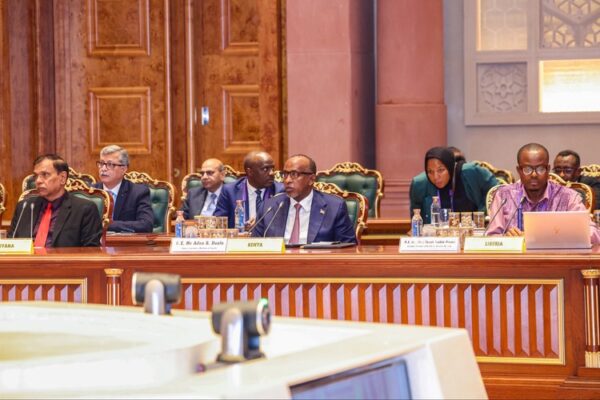
 Health CS Aden Duale representing the country in the second WHO traditional health medicine summit in India. (Ministry of Health)
Kenya’s fight against NCDs
Health Cabinet Secretary, Aden Duale, has raised an alarm over the growing challenge of NCDs and the government’s response. He has highlighted that NCDs account for a significant proportion of adult hospital admissions and deaths, and he has called for sustainable national and global financing to strengthen prevention, treatment, and management of chronic conditions, integrating these efforts into the Universal Health Coverage (UHC) programme.
Speaking on behalf of President William Ruto at the 80th Session of the United Nations General Assembly, Duale emphasised that health is the cornerstone of dignity, prosperity, and shared progress.
“In Kenya, NCDs account for 38 per cent of all deaths, with more than half of adult hospital admissions linked to them. At the same time, one in four Kenyans will experience a mental health condition in their lifetime,” Duale said.
He highlighted Kenya’s ongoing health reforms, particularly the incorporation of NCD and mental health strategies into the UHC programme.
To expand access to specialised care, CS Duale has emphasised the establishment of regional oncology centres across several counties, alongside community-based cancer screening programmes targeting breast, cervical, prostate, and colorectal cancers.
The government has also integrated preventive measures such as the HPV vaccination into routine immunisation schedules. For chronic conditions like hypertension and diabetes, the Ministry has introduced digital health innovations, including the distribution of tablets to health facilities in counties like West Pokot to improve patient tracking, data management, and follow-up care.
The Ministry unveiled the Kenya Nutrient Profile Model aimed at reducing diet-related NCDs by regulating foods high in sodium, sugar, and unhealthy fats, implementing front-of-pack nutrition labelling, and restricting the marketing of unhealthy products to children.
Tobacco control remains a priority, with CS Duale leading campaigns against illicit tobacco products, enforcing graphic health warnings, and encouraging youth to avoid nicotine, addressing major risk factors for heart disease, respiratory conditions, and other NCDs.
Through these measures, the government seeks to make NCD care more accessible and affordable, while positioning these chronic diseases as a national development concern requiring long-term investment, regulation, and public awareness.
Duale emphasised that “the fight against NCDs and mental ill-health will be won at the primary health care level, with the voices of people with lived experience at the centre of policy-making and accountability.”
He reaffirmed Kenya’s commitment to global action on health equity, calling on world leaders to back their pledges with concrete investments to ensure that health is treated not as a privilege, but as a universal right.