One of the biggest if arguably predictable consequences of the US-Israel war with Iran has been Tehran’s move to block commercial traffic through the Strait of Hormuz. Given the huge amount of oil and gas that transits the narrow waterway, the threat long has been a key reason why direct military confrontation with the Islamic Republic was avoided.

But while tanker traffic could resume if a peace deal is ever struck, the war’s damage to physical infrastructure and any sense of security associated with one product in particular—liquified natural gas—will be longer term.
As every day goes by and fallout from the conflict ripples through the global economy, countries are being forced to find alternatives to LNG, potentially reshaping its role as a “bridge fuel” to renewables. Bloomberg Originals explores why the Iran war led to this energy shock, and what it means for future fossil fuel use and the energy transition.
Iran strikes Qatar LNG hub
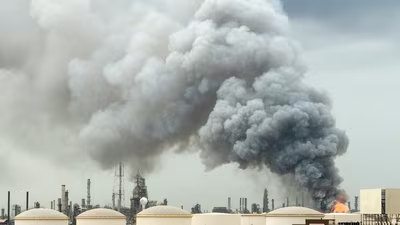
Qatar’s Ras Laffan facility, which supplies nearly a fifth of global LNG exports, suffered significant damage in March as Tehran retaliated against American and Israeli bombing that has killed thousands of people in Iran and Lebanon. Launching missiles and drones at US allies across the region, Iran targeted military and energy facilities. Strikes on the Qatar LNG facility in particular helped trigger the global gas supply crunch.
Just this week, Qatar’s finance minister warned of bigger economic fallout over the coming months if the strait isn’t reopened, and soon. At the International Monetary Fund’s spring meetings in Washington on Wednesday, Ali bin Ahmed Al Kuwari said what the world has seen so far with higher energy costs is “the tip of the iceberg.” In The World’s Risky Addiction from Bloomberg Originals, we spell out how, over the long run, the full extent of the war’s collateral damage may be what lies beneath.