Published on
March 25, 2026

Image generated with Ai
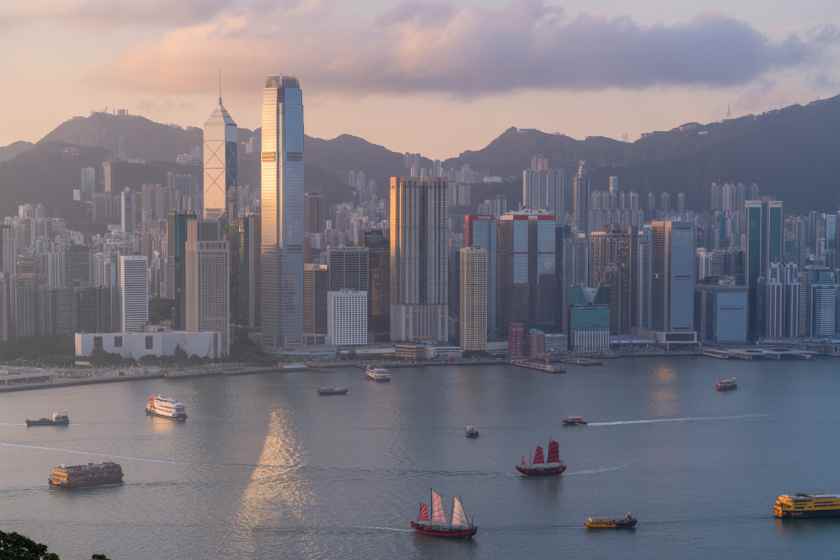
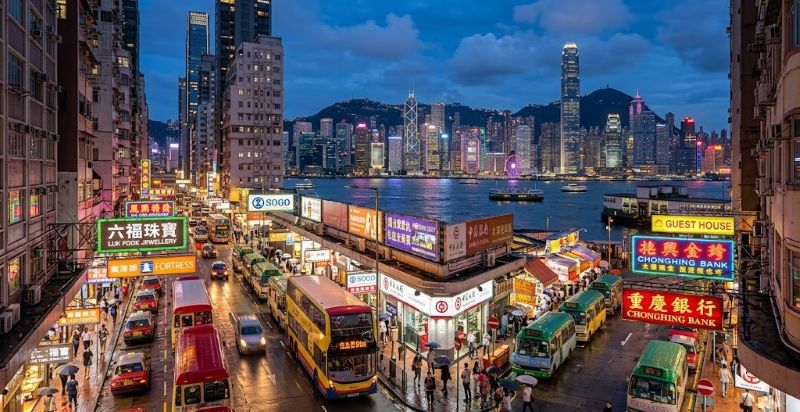
Hong Kong is working on a bold plan to transform its tourism landscape by 2026, aiming to strengthen its reputation as one of Asia’s premier destinations. With substantial investment driving this ambitious vision, the strategy seeks to attract a wide spectrum of tourists, from leisure travellers interested in exploring the city’s cultural heritage to business professionals attending global events. By diversifying its offerings, Hong Kong aims to create a more dynamic, inclusive, and accessible destination for both international and regional visitors.
The Three Core Pillars of Hong Kong’s 2026 Strategy
The strategy laid out for Hong Kong revolves around three essential pillars, each focused on enhancing the city’s tourism appeal. These pillars target the expansion of the city’s tourism experiences, the improvement of connectivity, and the overhaul of infrastructure to meet the demands of an increasingly diverse group of visitors.
Diversification of Tourism Experiences
The cornerstone of Hong Kong’s new strategy is diversification. While the city is traditionally famous for its iconic landmarks and bustling urban life, it is now setting out to expand its tourism portfolio. The goal is not just to focus on sightseeing, but also to embrace business events, cultural tourism, and technology-based tourism. This strategic diversification is aimed at attracting a broader audience, especially professionals and corporate groups from regions such as North America, Europe, and Southeast Asia. By adding new, modern experiences to its tourism offerings, Hong Kong hopes to appeal to a wider variety of travellers, ranging from those seeking traditional sightseeing experiences to those interested in more contemporary and innovative forms of tourism. This change represents a significant shift in how the city approaches its tourism sector, focusing on modernity and versatility.
Creating Immersive Cultural and Technological Experiences
Advertisement
Advertisement
Another key aspect of the 2026 tourism strategy is the focus on offering more immersive experiences. These experiences are designed to engage visitors more interactively with Hong Kong’s culture, art, and technological advancements. To facilitate this, the city will introduce new festivals, art events, and technology conferences. These events will offer visitors the opportunity to engage with local culture and global innovations in a way that traditional sightseeing simply cannot match. By providing more interactive and engaging experiences, Hong Kong aims to lengthen tourist stays, increase visitor spending, and deepen the connection between the visitors and the city’s culture. This emphasis on immersion will not only enhance the overall experience for tourists but also contribute significantly to the growth of the local tourism economy. Visitors will leave with richer, more meaningful memories, which will ensure they remain engaged with the city’s culture long after their visit.
Strengthening Regional Connectivity within the Greater Bay Area
The third pillar of the 2026 strategy is focused on enhancing connectivity within the Greater Bay Area, a region that includes Hong Kong, Shenzhen, Guangzhou, and Macau. By improving transportation links between these cities, Hong Kong aims to make multi-destination travel smoother and more accessible for tourists. The plan is to make Hong Kong a key stop in broader multi-destination itineraries, encouraging visitors to explore other cities within the Greater Bay Area during their trip. These improved connections are intended to make travel between the cities more convenient, thus increasing Hong Kong’s attractiveness as part of regional tours. This development not only makes it easier for tourists to explore the wider region but also strengthens the city’s position as a central hub in Asia for both business and leisure travel.
Building Infrastructure to Meet Growing Demand
With expectations of rising visitor numbers, Hong Kong is also investing heavily in upgrading its tourism infrastructure. This includes the modernization of convention centres, expanding hotel capacities, and improving other essential facilities to accommodate large-scale international conferences and exhibitions. These infrastructure improvements will allow the city to host more significant and more frequent global events, ensuring it remains a top choice for both business and leisure travellers. Alongside these developments, Hong Kong’s airlines and transport networks are being enhanced to make cross-border travel more seamless. These upgrades will provide smoother and more efficient connections between the Greater Bay Area cities, creating a more integrated travel experience for tourists and making Hong Kong even more accessible for global visitors.
The Ideal Travel Times: Spring and Autumn in Hong Kong
While the strategy promotes year-round tourism, Hong Kong has identified spring and autumn as the ideal times for visitors to experience the city. During these seasons, the weather is mild and comfortable, providing the perfect conditions for sightseeing and participation in various festivals and cultural events. By concentrating key business and cultural events during these months, Hong Kong aims to maintain a steady flow of visitors throughout the year. The strategy to spread major events across the calendar ensures that the tourism industry remains stable, helping to maintain high levels of interest in the city all year long.
Global Impact of Hong Kong’s 2026 Strategy
This revamped tourism strategy offers exciting new opportunities for global travellers. For leisure tourists, it provides a richer, more diverse set of experiences, including art, culture, and technology-related events. This allows visitors to deepen their engagement with Hong Kong’s culture while also exploring modern and cutting-edge innovations. For business travellers, the city’s upgraded infrastructure and regional connectivity will make it easier than ever to attend major international conferences, events, and networking opportunities. Hong Kong is poised to become a more prominent hub for global business activities, thanks to its enhanced appeal as a business and cultural destination.
The increased regional connectivity will make Hong Kong more accessible to regional tourists from neighbouring cities like Shenzhen, Guangzhou, and Macau. With improved transportation networks, these visitors will find it easier to incorporate Hong Kong into their travel plans, further bolstering the city’s appeal as a key travel destination within the Greater Bay Area.
Hong Kong’s Path to Becoming a Global Tourism Leader
The 2026 tourism strategy represents a crucial step forward in Hong Kong’s journey to becoming a leading global hub for both business and leisure travel. By focusing on diversifying its tourism offerings, improving cultural and business tourism, and enhancing regional connectivity, the city is setting itself up for long-term success. The substantial investments in infrastructure and the focus on immersive cultural experiences will ensure that Hong Kong remains a top destination for travellers from around the world.
As Hong Kong continues to evolve and adapt to the changing demands of the tourism industry, the city is preparing to attract a diverse range of visitors, from those looking for leisure and cultural exploration to those attending business events. The comprehensive strategy guarantees that Hong Kong will continue to be a competitive force in the global tourism market, offering a wide range of experiences for both local and international visitors alike.