Published on
February 20, 2026

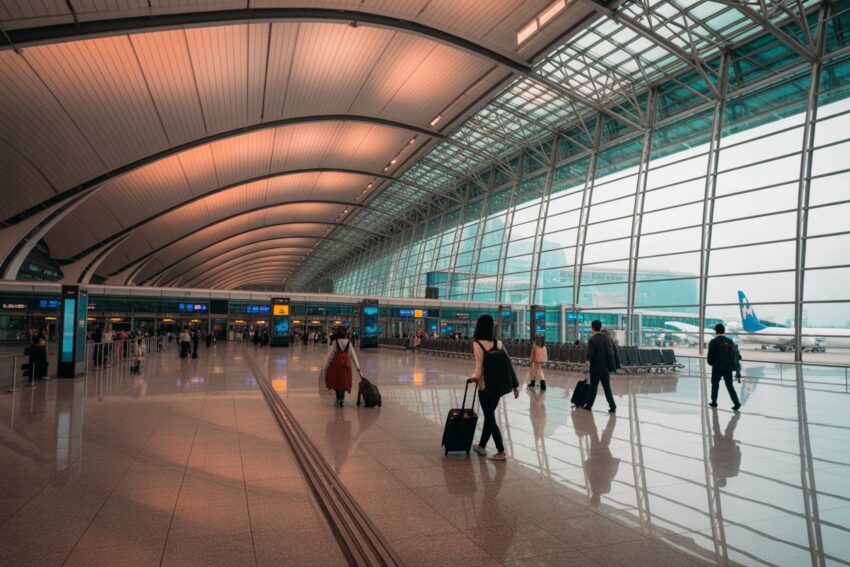
Image generated with Ai
Hong Kong International Airport (HKIA) is preparing for a significant upgrade with the highly anticipated opening of its new Terminal 2 (T2) on May 27, 2026. The announcement, made during the Lunar New Year celebrations, marks a key milestone in the airport’s ongoing efforts to enhance its passenger services and maintain its position as a leading global travel hub in the Greater Bay Area.
With the summer travel season fast approaching, the new terminal will cater to millions of travelers expected to pass through the airport. T2’s opening will help alleviate congestion at the current terminals, offering improved services and a smoother experience for international and domestic travelers. The upgraded facilities are designed to meet growing demand while ensuring Hong Kong remains at the forefront of aviation innovation in Asia.
Hong Kong International Airport Unveils New Terminal 2: What’s New for Travelers
The new T2 will be home to 15 short-haul carriers, providing state-of-the-art services for both business and leisure travelers. Travelers will benefit from fully digital self-service check-in islands, allowing for faster processing and more convenient travel. The terminal is also set to connect directly to the Airport Express rail platform, enhancing access for passengers arriving via public transport.
One of the key features of T2 is its integration of biometric e-gate systems, which will expedite the immigration process for travelers. These gates will be connected to the new Greater Bay Area Single-Token scheme, allowing eligible passengers to complete entry procedures for both Hong Kong and mainland China with a single biometric scan, greatly reducing wait times and improving efficiency.
How the New Terminal 2 Will Enhance Passenger Experience and Airport Efficiency
With the increased number of international flights and higher passenger traffic, the opening of Terminal 2 will help Hong Kong maintain its high standards of service while managing growth. The new terminal’s design and layout are focused on improving passenger flow, with spacious areas for shopping, dining, and relaxation. This upgrade will help address post-pandemic travel congestion, particularly during peak seasons like Lunar New Year and the summer months.
In addition to the self-service check-ins and biometric gates, the terminal will feature improved signage and wayfinding systems, guiding passengers through the airport seamlessly. This is especially crucial for foreign tourists who may not be familiar with the airport’s layout. The new digital infrastructure will also allow for real-time updates and mobile notifications, keeping passengers informed about flight statuses and delays.
Advertisement
Advertisement
What Travelers Need to Know About Hong Kong’s Upcoming Terminal 2 Launch
As the May 2026 opening date for T2 draws closer, travelers planning to transit through Hong Kong should be aware of several key changes. While the terminal is still undergoing final preparations, the transition from Terminal 1 to T2 will be seamless, as the airport aims to keep service disruptions to a minimum.
Passengers should also note that T2 will handle a majority of short-haul flights, especially those originating from nearby Asian countries, making it a more convenient choice for those traveling within the region. However, long-haul international flights will continue to use Terminal 1.
Advertisement
Advertisement
The airport’s staff will be ready to assist travelers during the soft opening phase, helping them get accustomed to the new layout and check-in procedures.
Biometric e-Gates and Digital Check-in: The Future of Hong Kong Travel
One of the most notable advancements of Terminal 2 is the implementation of biometric e-gates. These gates will significantly reduce wait times for passengers, with some estimates showing an eight-minute clearance time at peak hours—a major improvement over the previous 20-minute wait.
By leveraging biometric data and electronic tracking, these e-gates are designed to make the entire airport process smoother and faster for travelers. For business travelers and frequent flyers, the introduction of these new systems will be particularly beneficial, allowing them to get through immigration and security more efficiently and with less hassle.
How Hong Kong’s New Terminal 2 Will Connect with Mainland China’s Greater Bay Area
Hong Kong’s new terminal is also a critical part of the city’s broader Greater Bay Area integration strategy. With the new biometric system linked to both Hong Kong and mainland China, travelers can transit more easily between the two regions, particularly for those commuting between Guangdong Province and Hong Kong for business or tourism.
The terminal’s design is not only about passenger convenience; it also supports the economic integration of the Greater Bay Area. This is expected to enhance cross-border connectivity, creating more opportunities for business travelers and tourists to engage with both Hong Kong and mainland China seamlessly.
Conclusion: A New Era for Hong Kong International Airport’s Global Connectivity
The opening of Terminal 2 at Hong Kong International Airport is a significant step forward in improving the city’s travel infrastructure, offering greater convenience, speed, and efficiency for passengers. As Hong Kong continues to enhance its airport facilities, these changes will help the region maintain its position as a top global hub for aviation and tourism.
With streamlined travel experiences, better public transport links, and advanced technology at the core of T2, Hong Kong is poised to offer both business and leisure travelers a superior airport experience. As we approach the summer season of 2026, the completion of Terminal 2 will be a game changer for Hong Kong’s international tourism and the Greater Bay Area’s connectivity, making travel smoother and more efficient for millions of visitors.