The beginning of the year is filled with efforts to eat healthy, hit the gym and bounce back from holiday indulgences.
Lowcountry dining can be decadent, but it’s also easy to eat clean, delicious food throughout the year at home and when dining out.
Anything but basic
Basic Kitchen in downtown Charleston has focused on plant-forward dishes since opening in 2017. Executive Chef Charlie Layton serves seasonal dishes highlighting local produce, whole grains and globally inspired flavors.
After going plant-based himself, Layton created a menu of veggie-forward dishes like corn ribs, pistachio beet dip and cauliflower tikka masala.
“I find balance to be the key to a healthy lifestyle and often use Becky Lacey Michael Pollan’s advice to ‘eat whole foods, not too much, and mainly plants,’ ” said Layton. “Seeking real, unprocessed foods and getting that balance on your plate becomes easy once you start thinking that way.”

Layton featured his protein green goddess dressing (see recipe on page 18) during Basic Kitchen’s January reset that included it in a bowl for a collaboration with The Works fitness studio. The bowl featured ingredients like purple sweet potato, avocado, artichoke and caperberry salad and the dressing.
The beauty of a dressing like this is its versatility. From a dipping sauce to a chicken marinade, it can be a constant workhorse in your fridge. A more equitable, local food system
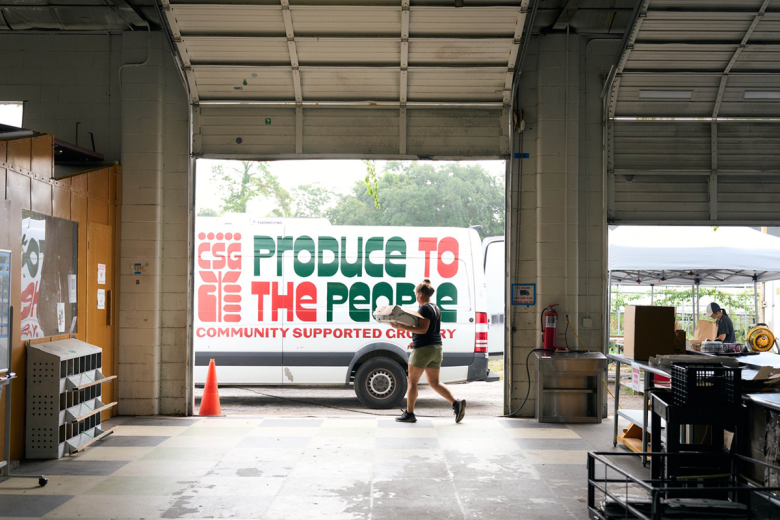
Lowcountry Street Grocery (LSG), GroceryRx (GRx) and Community Supported Grocery (CSG) are three Charleston-based, interdependent entities that create a social enterprise providing a more equitable, local food system for consumers and producers.
“We can radically address systemic barriers to healthy food access, food insecurity and local food proliferation,” said LSG founder and CEO Lindsey Barrow Jr. “Simply put, we envision a community that naturally supports both small, local producers and neighbors in need through innovative and sustainable systems.”

LSG started as a mobile farmers’ market in a retrofitted school bus named Nell. The organization believes there is a simple solution to a systemic problem: food equity.
CSG is a grassroots local food delivery service that has combined the local farmers’ market with subscription-based online ordering since 2018. The weekly delivery also offers menus, recipes, producer information and dietary restriction information. This gives growers and producers a more streamlined way to distribute food and introduces them to new customers.
GRx is a way to directly combat diet-related illness.
“The intensive, in-house nutrition program targets individuals who fall through the gap of our broken healthcare system as well as low-medium income neighbors that don’t qualify for federal or state aid,” Barrow said.
Following a structured nutrition class, GRx patients receive weekly fruit and vegetable prescriptions redeemed through the mobile market or CSG deliveries. GRx also includes cooking demos, recipes and clinical guidance.
Olivia Myers, GRx director and founder, shared tips for healthy eating. First, stock your fridge and pantry with healthy options, which she said is easiest if it’s automated through a service like CSG, or through a static order at a local grocery store.
Next, be realistic about your time and ability. Meal planning, batch cooking and buying half or fully prepped food like soup bases and pasta sauces can help.
“Just keep an eye on the amount of salt, added sugar and ingredient lists,” she said.
Looking to help neighbors access healthier food? CSG offers a pay-it-forward option where people can donate their weekly delivery to someone experiencing food insecurity. CSG donates and subsidizes about 75 to 100 “Neighbor 2 Neighbor” grocery deliveries each week, which has become even more important amid recent federally-funded food assistance budget cuts.
Healthy eating at Huriyali
Tom McFall and Ruchi Mistry opened Huriyali on Huger Street in 2016, and a second location in Riverland Terrace in 2022. Offering healthy, world cuisine, Huriyali is known for its clean food, bowls and juices in community focused spaces.

“We put so much thought and intention behind creating healthful dishes,” Mistry said. “Just good food that’s good for you.”
Mistry was born in Ahmedabad, India, and much of the food at Huriyali is inspired by her mom’s cooking. After meeting at College of Charleston, McFall and Mistry lived in India with her family. This was the inspiration for Huriyali.
“The whole thing behind the menu is healthy food that is craveable and actually tastes delicious,” said McFall. “Indian food has so many delicious spices. All of those things are really good for our microbiome and our guts. It’s a win-win from a health standpoint.”
The Huriyali team sources mindfully made ingredients and when speaking with them, words like nutrient dense, cooked to aid digestion and whole-food based continue to come up.
“I think part of what has gotten us to ten years has been continuously improving the offerings we have,” McFall said. “Not necessarily new offerings, but just looking at the existing recipes and thinking, ‘How can we make this more delicious?’ or, ‘How can we add more value for the customer?’ ”
There are also plans to add night service — probably starting with one night weekly – at the downtown location.
“I think that healthy food is a lifestyle, more than a diet,” McFall said. “The whole thing with Huriyali is we’re trying to incorporate it into the community’s lifestyle by making craveable, healthy foods.”
Basic Kitchen’s protein green goddess dressing

Makes 2 quarts. Lasts five days refrigerated.
Ingredients
- 40 gram dill
- 40 gram chives
- 40 gram parsley
- 20 gram arugula
- 40 gram cilantro
- 30 gram confit garlic
- 30 gram green onions
- 50 gram Dijon mustard
- 453 gram cottage cheese
- 125 gram water
- 10 gram black pepper (ground)
- 10 gram salt (Kosher, course flake)
- 50 gram apple cider vinegar
Preparation
Pick and roughly chop herbs and place everything into a vitamix jug. Blend until homogeonous, taste and adjust seasoning accordingly.
Related

Help keep the City Paper free.
No paywalls.
No subscription cost.
Free delivery at 800 locations.
Help support independent journalism by donating today.