Published on
February 23, 2026
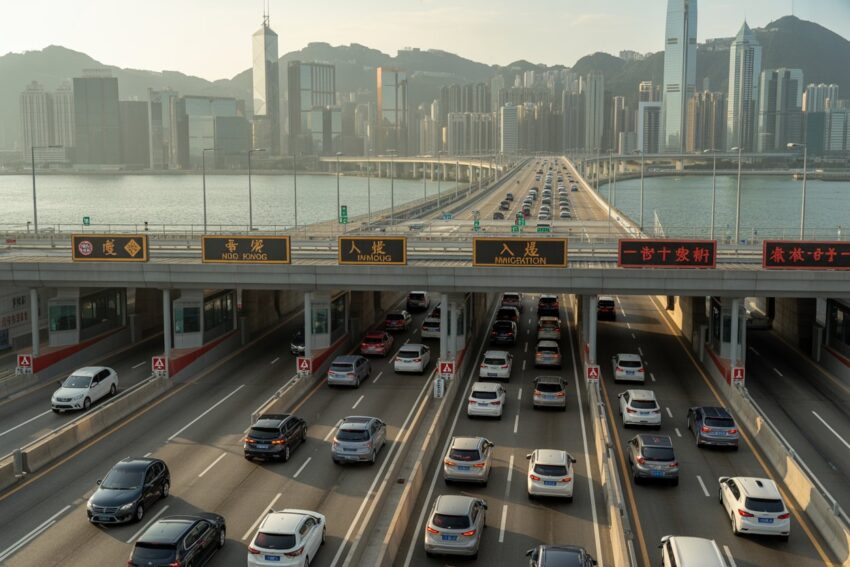
Image generated with Ai
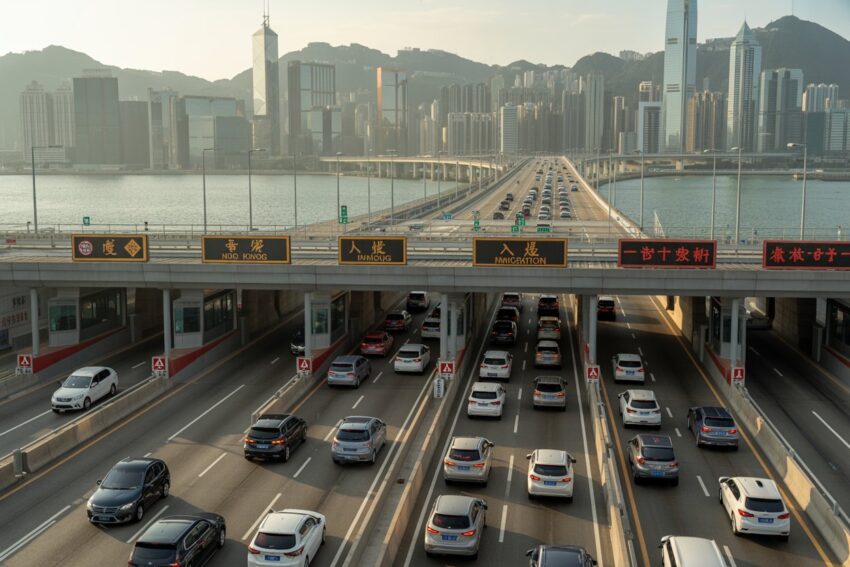
In a historic shift in cross-border travel, Guangdong motorists have begun taking full advantage of the newly launched Southbound Travel Scheme, which allows private cars from Guangdong Province to enter Hong Kong. This new arrangement, launched by the Hong Kong Special Administrative Region (HKSAR) Government, is set to reshape cross-border mobility and bolster tourism, retail, and economic growth between Hong Kong and the Greater Bay Area.
After an official launch on 23 December 2025, the scheme has already seen a dramatic surge in applications and successful entries, with thousands of Guangdong drivers eager to explore Hong Kong’s vibrant urban culture, shopping districts, and tourism hotspots.
What is the Southbound Travel Scheme?
The Southbound Travel Scheme represents a major policy shift in the way Guangdong motorists interact with Hong Kong. Under this scheme, private vehicles registered in Guangdong are now permitted to drive directly to Hong Kong for a period of up to three days. This is made possible via the Hong Kong–Zhuhai–Macao Bridge (HZMB), an advanced transportation route that connects the Greater Bay Area regions of Guangdong, Hong Kong, and Macao.
Previously, mainland Chinese motorists faced significant barriers when it came to driving into Hong Kong. Restrictions required special permits, complicated transit arrangements, and numerous road-safety checks. However, the introduction of the Southbound Travel Scheme has removed many of these barriers, giving Guangdong drivers more freedom to visit Hong Kong at their convenience, without needing to navigate cumbersome procedures.
Advertisement
Advertisement
With initial daily quotas set at 100 vehicles, the scheme has made a swift and significant impact. Within the first month of its rollout, the scheme has already been inundated with applications from interested motorists. The scheme aims to not only enhance the mobility of people but also strengthen ties between Hong Kong and Guangdong, key regions in the Greater Bay Area.
A Growing Demand from Guangdong Drivers
The excitement surrounding this new cross-border travel scheme is palpable. As Guangdong motorists flock to Hong Kong, authorities have reported a strong demand. Within the initial launch period, more than 1,700 motorists had booked slots to drive into Hong Kong, and approximately 600 vehicles crossed into Hong Kong during the peak Lunar New Year period. These figures suggest that demand remains high, particularly during weekends and holidays, when cross-border mobility is at its peak.
Advertisement
Advertisement
The daily 100-vehicle quota has often been filled, indicating that Guangdong’s residents are eager to take advantage of the newly simplified travel options. Moreover, officials have predicted that these numbers could increase in the coming months, as more individuals become aware of the scheme and its potential benefits for tourism and personal travel.
The scheme has had an immediate economic impact, especially in Hong Kong’s retail, hospitality, and tourism sectors. Business owners and tour operators have welcomed the influx of visitors, with many expecting to see a steady increase in foot traffic to shopping malls, tourist attractions, and dining districts.
The Economic and Tourism Impact
The Southbound Travel Scheme is already proving to be a boon for Hong Kong’s economy. Authorities believe the arrival of private vehicles from Guangdong will drive increased spending in Hong Kong’s tourism and retail industries. The presence of Guangdong motorists also strengthens the region’s standing as a key destination for Greater Bay Area residents looking for quick, convenient getaways.
Local businesses are already seeing the effects of this new travel wave. Hong Kong’s shopping malls are benefiting from the additional customers, particularly in areas such as Causeway Bay, Tsim Sha Tsui, and Mong Kok, which are popular for retail therapy and dining. Hotels, too, are experiencing higher occupancy rates, as the influx of Guangdong drivers creates demand for short stays in the city.
Moreover, tourism operators have seized the opportunity to cater to this growing market, offering services specifically tailored for self-drive tourists. This includes car rental services, cross-border travel assistance, and exclusive tour packages designed for Guangdong drivers.
For Hong Kong, this development aligns perfectly with long-term strategies to integrate the Greater Bay Area and foster greater regional mobility. Cross-border initiatives like the Southbound Travel Scheme not only facilitate easier travel but also encourage deeper people-to-people connections that ultimately contribute to shared prosperity across the region.
The Logistics and Requirements
While the scheme has generated enthusiastic response, there are a few requirements for motorists who wish to participate. The Southbound Travel Scheme stipulates that vehicles must pass a comprehensive inspection to meet Hong Kong’s road safety standards. These checks are mandatory and must be completed at designated inspection centres within Guangdong prior to departure.
In addition to the inspections, motorists are also required to carry valid third-party insurance, recognised under Hong Kong’s legal framework. The insurance coverage ensures that motorists are protected while driving in Hong Kong, where traffic laws differ from those in mainland China. The scheme also requires drivers to adhere to Hong Kong’s road rules, including the left-hand driving system, which differs from mainland China’s right-hand driving system.
The initial quota of 100 vehicles per day has been kept to maintain manageable traffic flow, but there are discussions about increasing the quota in the future, especially considering the high demand. Authorities will continue to monitor the scheme’s impact over the next few months and are open to making adjustments to the program if necessary.
Looking Ahead: Future Plans for the Southbound Travel Scheme
The initial success of the Southbound Travel Scheme is undoubtedly encouraging, and there are high hopes for its expansion. Hong Kong’s Transport Department has indicated that it will assess the program’s performance and consider ways to increase the number of daily vehicles allowed across the border.
Plans for expanding the entry points for Guangdong motorists are also under consideration. Currently, the Hong Kong–Zhuhai–Macao Bridge is the primary entry point, but there are discussions about adding additional cross-border entry points, such as Shenzhen Bay. This would provide motorists from the Guangdong region with more flexibility and options for entering Hong Kong.
As the scheme progresses, there may also be opportunities to enhance tourism offerings targeted at Guangdong drivers, such as specialized itineraries, guided tours, and promotional offers that encourage longer stays in Hong Kong.
In conclusion, the Southbound Travel Scheme represents a significant step towards cross-border integration in the Greater Bay Area. It enhances tourism and trade between Hong Kong and Guangdong, offering increased mobility for private motorists while bolstering Hong Kong’s economy. As more Guangdong motorists take advantage of the scheme, it will no doubt become a key driver of regional development, shaping the future of cross-border tourism in the region for years to come.
Final Thoughts
The Southbound Travel Scheme is a game-changer for Guangdong residents, offering them an easier way to explore Hong Kong while driving their own vehicles. For Hong Kong, it signals a bright future of increased tourism and economic growth, driven by the Greater Bay Area’s expanded connectivity. The scheme’s success so far is a promising sign of a stronger, more interconnected future for both regions.