A freeze warning was issued by the National Weather Service in Norman at 10:56 a.m. on Saturday, Nov. 8. This warning applies to Harper, Woods, Alfalfa, Grant, Kay, Ellis, Woodward, Major, Garfield, Noble, Roger Mills, Dewey, Custer, Blaine, Kingfisher, Logan, Payne, Beckham, Washita, Caddo, Canadian, Oklahoma, Lincoln, Grady, McClain, Cleveland, Pottawatomie, Seminole, Hughes, Harmon, Greer, Kiowa, Jackson, Tillman, Comanche, Stephens, Garvin, Murray, Pontotoc, Coal, Cotton, Jefferson, Carter, Johnston, Atoka, Love, Marshall, Bryan, Hardeman, Foard, Wilbarger, Wichita, Knox, Baylor, Archer and Clay counties.
The NWS warns: “Take steps now to protect tender plants from the cold. To prevent water pipes from freezing; wrap or drain.”
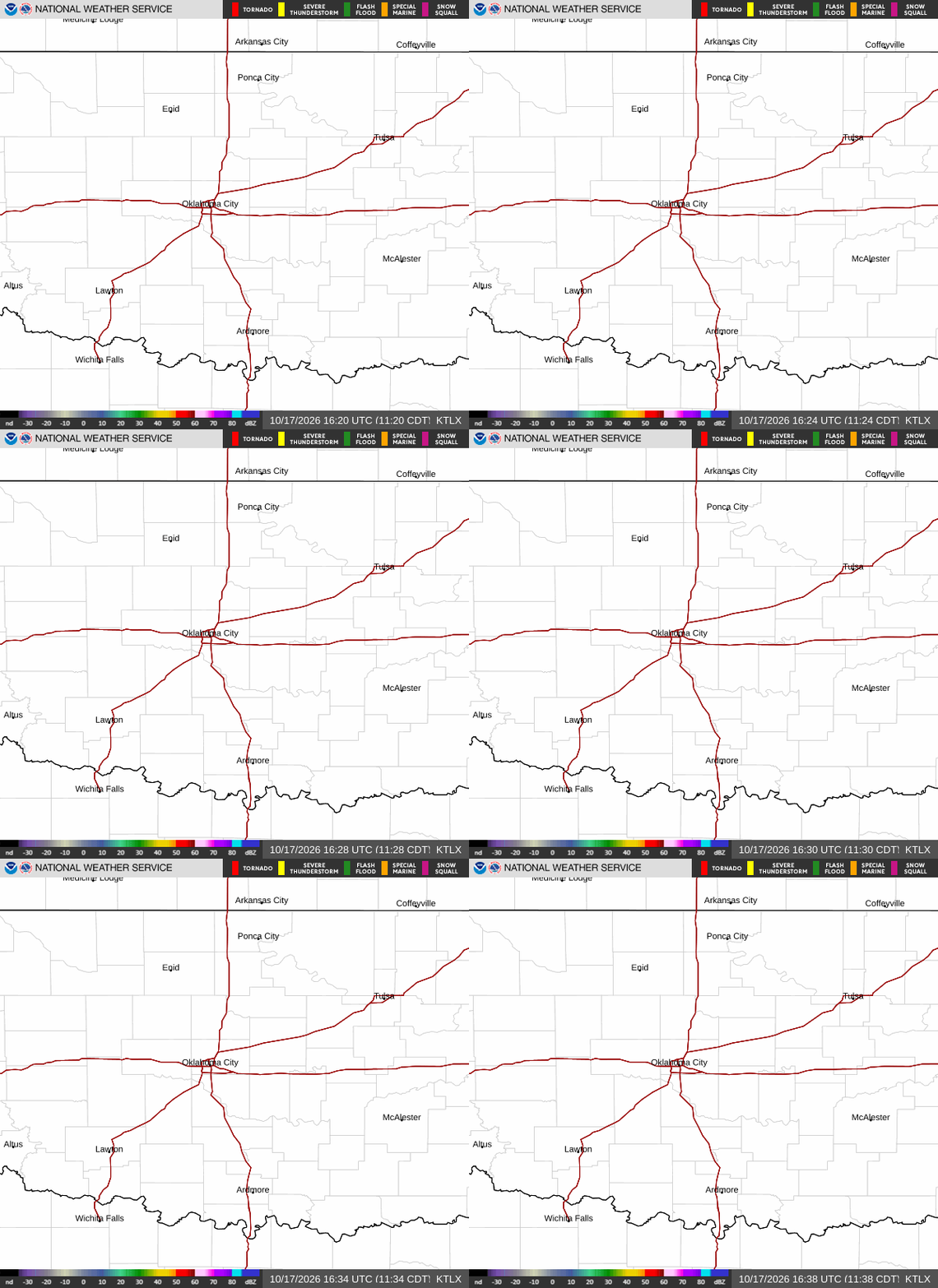
Oklahoma City area weather radar
What are NWS meteorologists saying?
At 10:56 a.m., the NWS issued a statement including the following information:
” WHAT: Sub-freezing temperatures as low as 22.
WHERE: Portions of central, east central, northern, northwest, southeast, southern, southwest, and western Oklahoma and northern Texas.
WHEN: From 9 p.m. Sunday to 9 a.m. CST Monday.
IMPACTS: Frost and freeze conditions could kill crops, other sensitive vegetation and possibly damage unprotected outdoor plumbing.”
What is a freeze warning?
- A Freeze Warning is issued when surface temperatures are expected to drop below freezing (32 degrees or lower) over a large area for an extended period, regardless of whether frost is expected to form.
- A Frost Advisory is issued when frost is likely and when temperatures are forecast to drop to 33-36 degrees with clear skies and calm winds.
- A Freeze Watch means there’s potential for widespread freezing temperatures (below or equal to 32 degrees) within the next 24-48 hours.
At what temperatures do pipes freeze?
Water in pipes begins to solidify into ice once temperatures dip below freezing, at 32 degrees or below.
Which pipes freeze most often?
The American Red Cross says the pipes most likely to freeze in homes include:
- Pipes exposed to severe cold, such as outdoor hose bibs, swimming pool supply lines, and sprinkler lines. (Don’t forget to drain pool and sprinkler lines, too.)
- Water supply pipes in unheated interior spaces, including basements, crawl spaces, attics, garages, and cabinets.
- Pipes running along exterior walls with little or no insulation.
How to prevent pipes from freezing
Many people take precautions before the first cold front, since outdoor faucets are often unused until spring. If you haven’t prepared yet – or still need to use your faucets – here’s how to protect them:
- Adjust your thermostat: Keep your home at a minimum of 60 degrees. Open cupboards and vanities, especially in kitchens and bathrooms, so warm air can reach pipes.
- Drip faucets correctly: Set faucets to a small, steady drip rather than a stream to conserve water while preventing freezing. Focus on the faucet farthest from your home’s main water valve.
- Cover outdoor spigots: Before temperatures drop below 32 degrees, open outdoor spigots to let water drain out and place protective covers over them.
Stay informed. Get weather alerts via text.
This weather report was generated automatically using information from the National Weather Service and a story written and reviewed by an editor.

