

The relentless noise and chaos of city life gave Lyla, a rescue dog adopted by construction professional Jaidatt Kedar Udiyavar, severe anxiety. However, when her anxiety begins to spiral, there is one place that brings her respite: Fernandes Wadi, a three-acre organic farm situated a few hours from Mumbai in Uran.
“Plus, it is a leash-free property,” he adds. “For a city dog such as mine, used to confined spaces, the absence of a leash lets her thrive.”
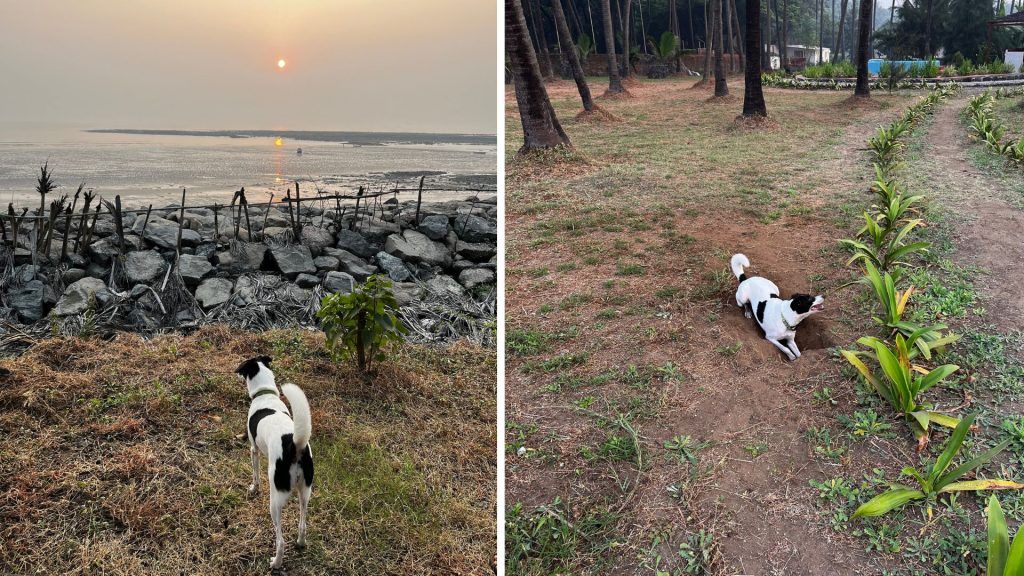
For pet owners like him, farm stays do not simply offer peace and quiet, but also something the city rarely provides: space. At Fernandes Wadi, the large fenced garden allows Lyla to wander freely, sniffing every patch of grass and seamlessly adapting to the slower rhythms of farm life. Watching his dog relax allows him to do the same.
“We’d notice that after our trips she’d be far less anxious. Even back in the city, she seems more at ease during walks,” Udiyavar says.
The Freedom Of Open Space
Across parts of India, homestays and farm stays are drawing urban dwellers seeking a different kind of break, especially those travelling with children and pets. The idea of a quiet getaway can soon turn chaotic when pets struggle to adapt to new surroundings. For many, the appeal of farm stays lies in how restorative the experience can be rather than restrictive.
Most hotels, despite branding themselves as pet-friendly, often offer limited open space and rigid rules. Farm stays, by contrast, tend to fill that void by offering meaningful experiences for both children and pets.
While children channel their curiosity by harvesting vegetables, feeding farm animals, or spotting different species of birds, pets indulge in something simpler: open space, fresh air, and the freedom to roam.
For hosts and founders of Fernandes Wadi, Rohan Fernandes and Jharna Thakkar, allowing guests to embrace a slower, more natural circadian rhythm is intentional. “Coming here is like visiting your grandmother’s house,” Thakkar says.
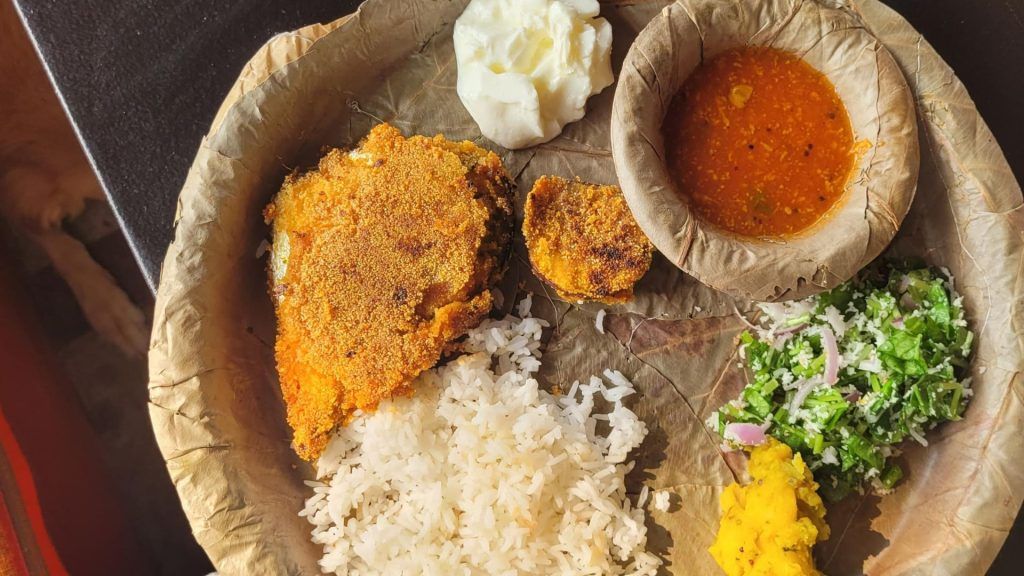
Nestled in a coconut grove overlooking the sea, the property is intentionally stripped of many resort-style comforts. “There is no TV in the rooms, by design,” she adds. Instead, guests spend time on the farm, swim in the dip pool, or simply embrace a pace slower than city life. Meals are home-cooked, using produce grown on the farm or sourced locally.
Children, she says, often surprise their parents by adapting quickly to this slower rhythm. “They harvest vegetables, help with small farm tasks, or make brooms from coconut fronds,” Thakkar explains.
But it is the pets who respond most instinctively to the farm environment. “Most pet owners tell us their dogs slept for two straight days after running to their heart’s content here,” she laughs.
When Pet-Friendly Really Means Pet-Welcoming
For Udiyavar, what draws him to a property is not how it advertises pet-friendliness but how sincerely it practices it. “The difference can be stark, and those that genuinely welcome pets stand out over time,” he says.
At Fernandes Wadi, the fact that Thakkar also has a pet dog means she understands what travellers like Udiyavar are looking for. Such hosts know that pets do not always follow instructions perfectly.
“Lyla isn’t a highly trained dog and has her occasional zoomies—once even digging a hole in the garden. But it was never treated as a problem,” he says.
At other properties, he adds, this might have been perceived as a nuisance. He recalls a stay where property owners monitored Lyla’s movements on CCTV and called whenever she climbed onto a sofa. “At Wadi, it felt like Lyla belonged, and not merely tolerated,” Udiyavar says.
A Different Landscape, Same Philosophy
Further north in Uttarakhand, Fagunia—a rural Himalayan homestay run by Aditi Pokhriyal and Anil Cherukupalli—offers a similar experience, though in a dramatically different landscape.
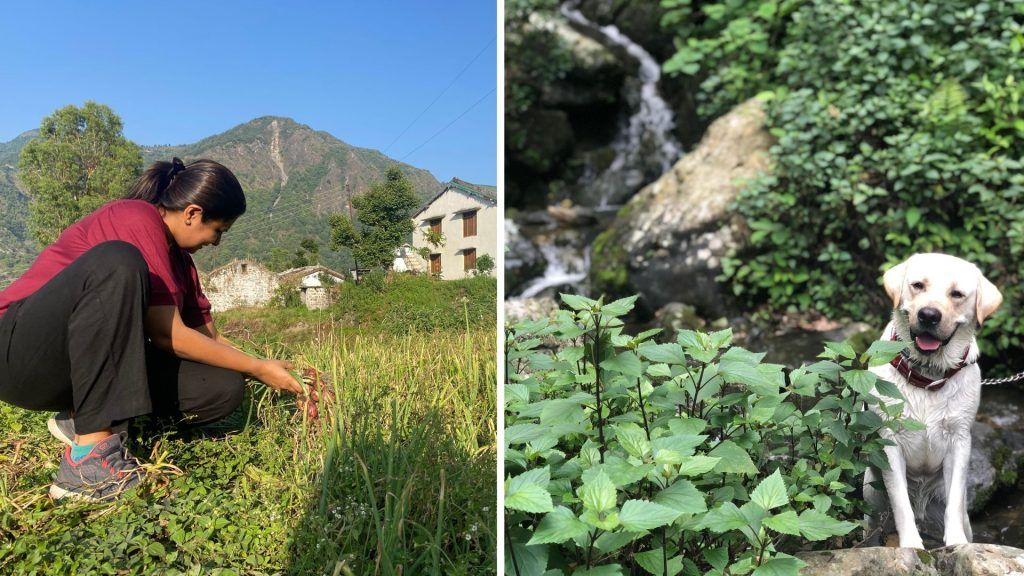
Nestled in a forested setting with no direct road access, the property is surrounded by hiking trails and a waterfall.
“Given our remote rural location next to a forest, it is natural that a stay with us comes with greater exposure to nature—birds, insects, changing weather,” says Pokhriyal.
But that is precisely its appeal.
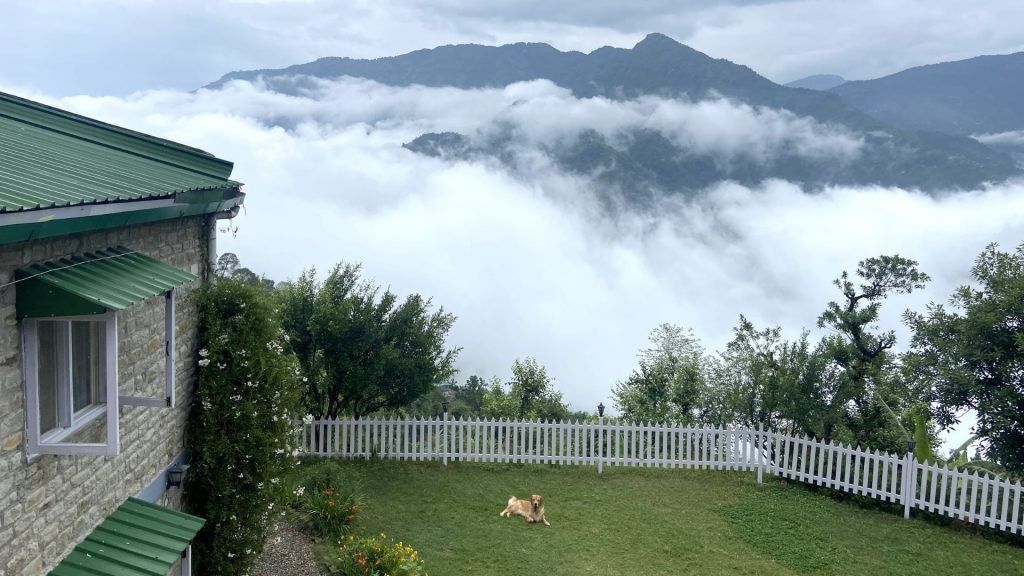
Delhi-based social scientist Srishti Kochhar discovered the homestay unexpectedly when travelling with her Labrador, Benny.
Kochhar, her mother, and Benny were stranded after another accommodation fell through. “We were considering spending the night in our car!” she recalls.
After frantically searching for pet-friendly places, Fagunia came to their rescue at short notice.
“Within a few minutes of arriving, Benny felt completely at home,” Kochhar says. “Since the property is securely fenced along the periphery, there was never any concern of him running off.”
It is during such moments that the difference between pet-welcoming and merely pet-tolerant properties becomes clear.
When Adjustments Take Time
Not all pets adapt seamlessly.
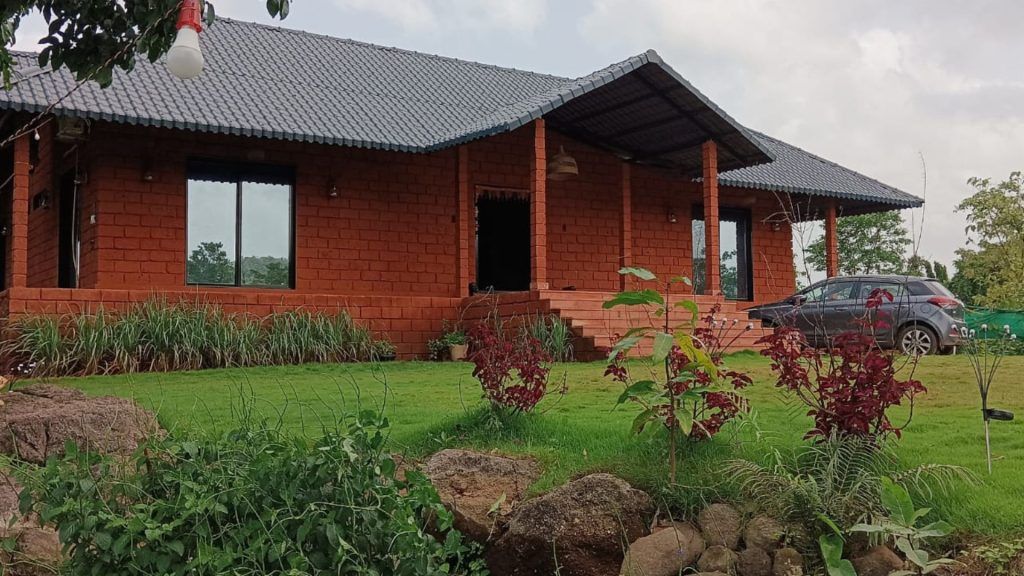
For graphic designer Archana Andhari, a weekend at Vividh Villa, a farm stay in Khopoli, Maharashtra, with her eight-year-old daughter and rescue cat Mau tested her patience.
“Mau found the transition difficult, even refusing to eat or drink. Unlike dogs, cats find it harder to adapt to unfamiliar environments,” Andhari says.
But it was her daughter who stepped into the role of caretaker. “She comforted Mau during the car ride by constantly petting her, even though her patience too was running out,” Andhari says.
Managing the temperaments of both child and pet was not easy. “The child gets bored easily and the pet becomes anxious. Keeping them both calm is a lot of work.”
Slowly, as the family settled into a different routine, the farm stay allowed them to relax. “It was the host who accommodated all of Mau’s needs and let her slowly acclimatise.”
Setting Expectations With Nature
For hosts, the work does not end with providing the right environment. Managing expectations is just as important.
At Fagunia, Pokhriyal spends considerable time briefing families about the kind of experience they offer. “Farm stays do not provide cookie-cutter experiences like most hotels. We encourage families to read about our philosophy because each farm stay reflects the ethos of its owners,” she says.
At Fernandes Wadi, aligning expectations is also part of the booking process. “We don’t pretend that nature doesn’t come with storms, insects, and wildlife. But as long as you learn to coexist with it, the experience can be deeply rewarding,” Thakkar concludes.
Related: 6 Pet Parents Share Their Secrets To Stress-Free Holidays With Pets
Note:
The information in this article is accurate as of the date of publication.

Written By


