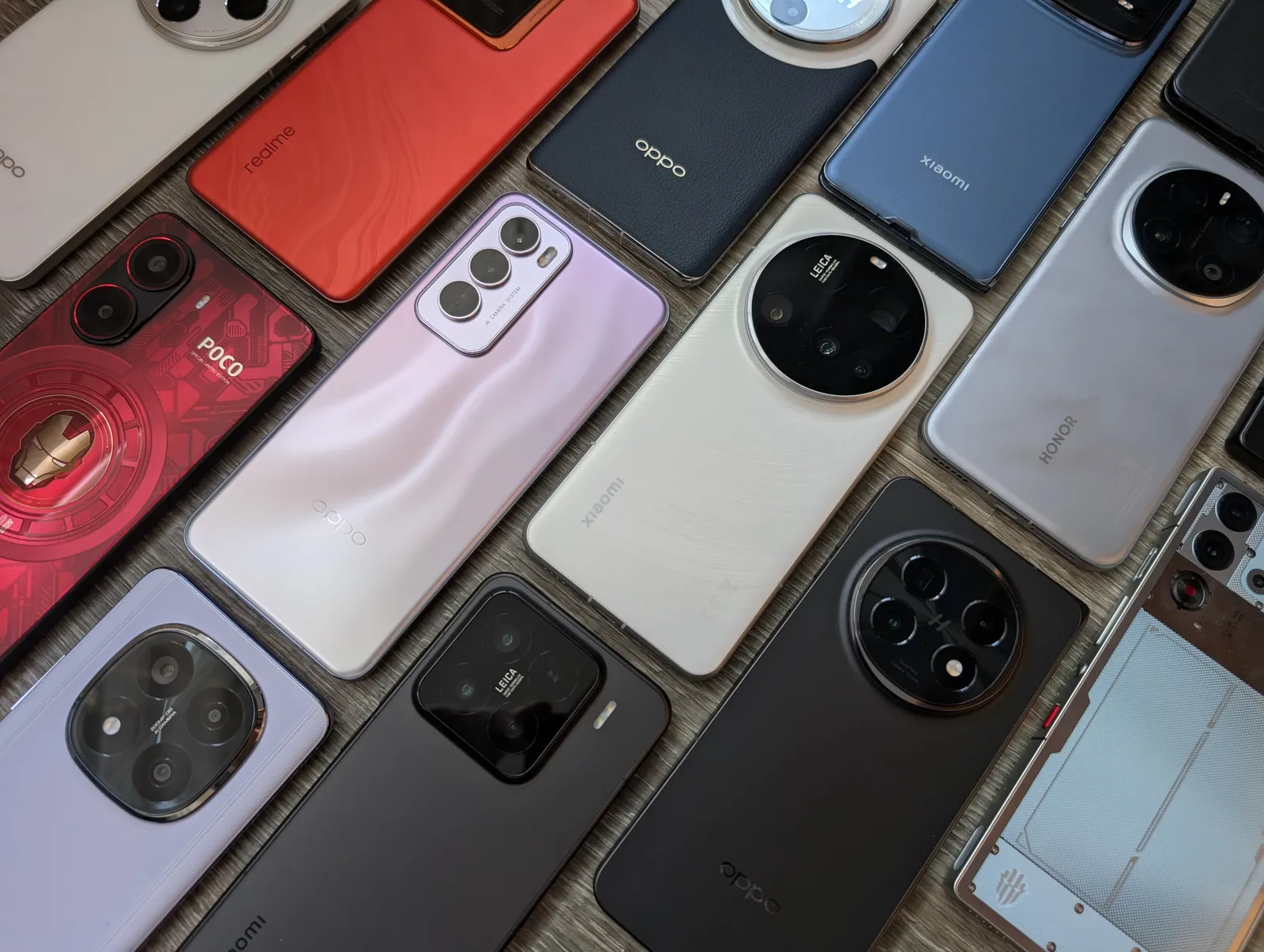
The US has increasingly shut out Chinese smartphone makers in recent years with outright bans and punitive tariffs, not to mention Apple’s dominance. But the truth is, some of the best smartphones you can’t officially buy in the US are simply some of the best smartphones. If you want cutting-edge photography, interesting innovations, and top-tier hardware that won’t break the bank, you can find them in China.
The trouble is that getting your hands on a Chinese import can prove tricky and unexpectedly expensive. It’s doable, but is it worth the risk? Whether you’re jealously eyeing the latest AI-packed Honor phone, a photography-focused handset from Oppo, or the unbeatable hardware in Xiaomi’s latest flagship, here’s what you need to think about before importing a smartphone from China.

Photograph: Simon Hill
Chinese or Global Phone Models
Some Chinese smartphones are only released in China, while others are released elsewhere, usually labeled as a global model. Buying a China-only version is generally a bad idea for a host of reasons:
- The software will be in Chinese, and even where English is supported, you might find untranslated settings and elements in the operating system.
- The phone will come preloaded with Chinese apps and will default to Chinese apps and services.
- Even if you can install Google services, certain apps and services like Android Auto, Gemini, third-party banking apps, and other secure apps may not work.
- Some Chinese models will lack the network bands you need for good mobile service, and you may have to get your device white-listed with your service provider.
- Your warranty will be reduced (one year is standard in China), and it will be difficult or maybe impossible to actually make a claim.
- Sometimes you need a Chinese number to register a manufacturer account on a Chinese phone, so you may miss out on some features.
Conversely, global versions are aimed at international markets, so they will likely have Google services onboard, wider language support, and more connectivity bands for mobile networks. Also, as a general note, you should always double-check that you’ve picked the correct color, RAM, and storage configuration you want before ordering.
Supported Bands

Photograph: Simon Hill
The technologies and specific bands that cellular networks rely upon differ from country to country. While global models are likely to work in the US, they may not support all the bands your carrier uses, as they are often tailored for the UK, Europe, or whatever other market they are officially sold in. It’s not safe to assume a global version will work well for you.
Missing LTE or 5G bands can mean patchy service or even relegate you to 3G. Chinese and other country-specific models will lack common US bands and may not work at all on certain carrier networks. Always check the supported bands and cross-reference with your carrier. You can usually find this information in the listing or aggregated on websites like Kimovil, but I recommend checking directly with the manufacturer and your carrier.
Customs Charges
Various things will impact whether you end up with US customs charges on a smartphone imported from China, including the overall value, whether the shipper supplied the correct paperwork, and whether customs decides to check the package. Smartphones were supposedly exempted from the tariffs imposed on Chinese imports to the US, partly because all the big US phone makers manufacture in China. But you may still have duty charges to pay.
Sometimes customs will hold packages, open them, and even contact you to ask for more information. One of the problems with customs charges is that shippers will sometimes cover the costs and then charge you after you have received the package. It is very common for them to add a seemingly random “administrative charge” or “disbursement fee” that can be in excess of the duty paid.

