- The state of European stock markets this week
- Impact on oil prices and energy markets
- Sector analysis in European markets
- Combined macroeconomic and geopolitical factors
- Reactive behaviour and market volatility
European stock markets have undergone a significant shift this week, moving away from the stability that had prevailed in recent sessions. The market, which had maintained a relatively positive tone, has begun to show signs of widespread declines due to external factors that have increased uncertainty.
This shift in the landscape has placed investors in a more cautious position, as recent news regarding international tensions and economic variables is affecting confidence and behaviour in the continent’s financial markets.
The state of European stock markets this week
Throughout this week, the main European indices have shown erratic movements and a lack of clear direction. This trend is marked by a gradual rise in risk aversion, which has resulted in moderate but significant declines.
The pan-European STOXX 600 index, in particular, was on course to record its first weekly loss after several consecutive weeks of gains, a clear reflection of the shift in sentiment from confidence to caution that currently prevails in the markets.
The main trigger behind this shift has been the resurgence of geopolitical tensions in the Middle East, a region whose instability has a direct impact on the global energy and geopolitical balance. News of the conflict has prompted immediate reactions in the markets.
Investors are aware of the potential impact of an escalation in this region on energy supplies, trade routes and global macroeconomic stability, creating an atmosphere of greater caution and volatility.
Impact on oil prices and energy markets
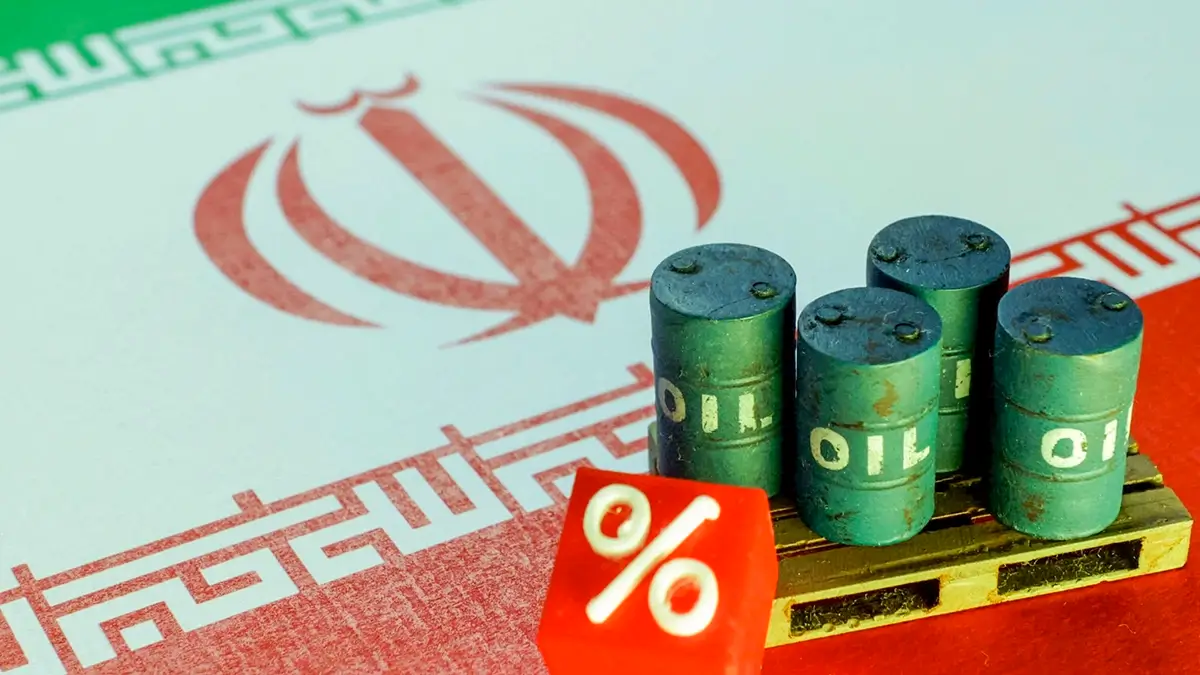
The price of oil has once again become a key focus of analysis. During the week, Brent crude has breached the psychological barrier of $100 per barrel, driven by concerns over potential supply disruptions.
The Strait of Hormuz, through which a significant proportion of the world’s oil passes, remains a critical point that adds pressure to energy markets and contributes to global uncertainty.
The sustained rise in oil prices has reignited inflationary concerns in Europe. Despite recent progress by central banks in their price control strategy, a prolonged surge in crude oil prices could complicate the expected disinflation.
This new situation is forcing investors to reassess their expectations regarding future interest rate cuts, generating additional pressures that are negatively affecting European equities.
Sector analysis in European markets
From a sectoral perspective, most have shown negative performance. In particular, companies in the aerospace and defence industry have been among the hardest hit, due to profit-taking and doubts about future public spending.
The financial sector has also shown signs of weakness, influenced by fluctuating expectations regarding monetary policy and economic growth. On the other hand, the technology sector has managed to weather the selling pressure better, driven by solid figures and the appeal of artificial intelligence and digitalisation.

Combined macroeconomic and geopolitical factors
Analysts attribute the behaviour of European markets this week to a combination of geopolitical and macroeconomic factors. Uncertainty in the Middle East has reintroduced an element of systemic risk that had been perceived as partially under control until now.
At the same time, the lack of decisive macroeconomic data in the region has left the market without clear drivers, heightening sensitivity to any external news or geopolitical events.
The global context remains challenging for the markets. In the United States, the trend in interest rates, coupled with signs of an economic slowdown, is affecting risk appetite worldwide.
In Asia, where the economic recovery is uneven, another factor of uncertainty comes into play, contributing to a global climate of caution that is affecting stock markets worldwide.
Reactive behaviour and market volatility
Markets are displaying a particularly reactive stance to any political statement or geopolitical development, generating an immediate impact on share prices.
Volatility, whilst not reaching extremes, remains above the average of recent months, reflecting investors’ heightened sensitivity and nervousness in the face of the current landscape.
Looking to the near future, European markets will be watching developments in the situation in the Middle East and economic data from the eurozone, particularly that relating to inflation and growth.
The interplay of these factors will be key in determining whether stock markets manage to stabilise or whether a further correction phase lies ahead in the short to medium term.