The 5G war just left Earth. Elon Musk amplified a post touting Starlink Mobile’s next-generation satellites, promising 5G speeds from space and “100x the data density” versus its V1 satellites.
The claim: seamless streaming, voice calls and high-speed apps — as if connected to a terrestrial network.
Around the same time, Amazon.com Inc signaled its own escalation.
Don’t Miss:
Amazon’s satellite unit, Project Kuiper, announced that Vodafone will use its high-speed satellite backhaul to connect remote 4G and 5G sites across Europe and Africa. Rather than bypassing telecom operators, Amazon is embedding itself inside their infrastructure.
That’s the strategic divide.
Musk and SpaceX are pushing direct-to-device connectivity — potentially reducing reliance on towers altogether. Amazon is strengthening those towers, extending carrier networks into hard-to-reach regions.
One wants to disrupt the mobile network model. The other wants to power it.
See Also: Before the IPO: How One Company Quietly Locked Up 500+ Iconic Character Rights
Satellite internet was once about rural broadband. Now it’s about telecom economics.
If Starlink truly delivers terrestrial-grade 5G from orbit, the traditional carrier capex model faces pressure. If Kuiper becomes the backbone for remote 5G expansion, Amazon inserts itself into global telecom infrastructure.
Africa and underserved regions may become the testing ground. In markets where building towers is costly and terrain is challenging, space-based 5G could leapfrog legacy networks.
This is no longer just a satellite story. It’s a battle over who controls the next layer of global connectivity — and the 5G war is officially in orbit.
Read Next:
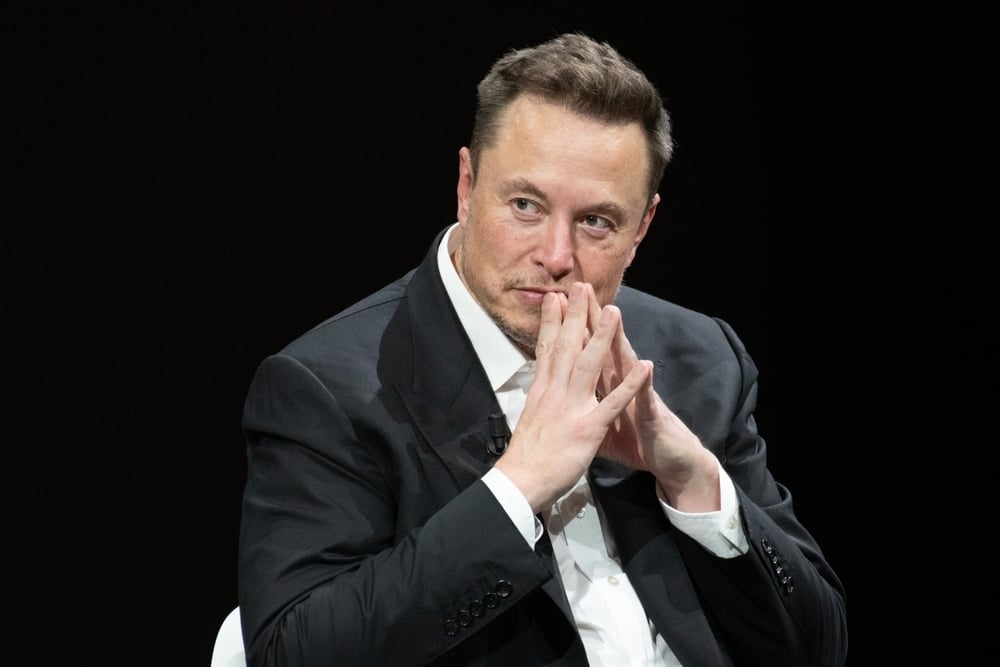
Photo: Frederic Legrand – COMEO from Shutterstock
UNLOCKED: 5 NEW TRADES EVERY WEEK. Click now to get top trade ideas daily, plus unlimited access to cutting-edge tools and strategies to gain an edge in the markets.
Get the latest stock analysis from Benzinga:
This article Elon Musk’s Starlink Escalates The 5G War In Space As Amazon Locks In Vodafone originally appeared on Benzinga.com