In 2022, Elon Musk acquired Twitter, now known as X, stating it was to promote a “digital town square, where a wide range of beliefs can be debated in a healthy manner.” Upon his purchase, Musk loosened content moderation policies and reinstated many previously banned accounts, including that of President Donald Trump. In this excerpt from his new book, Gilded Rage: Elon Musk and the Radicalization of Silicon Valley, best-selling author Jacob Silverman dives into Musk’s purchase of the social media platform for $44 billion and the changes that he made. Silverman reveals how the entrepreneur showed signs of right-leaning thinking even before he became Trump’s right-hand man and the face of DOGE. He fits Musk’s role into a greater narrative of Silicon Valley, showing the web of tech moguls that are turning this capital of innovation into a political machine. This exclusive excerpt from Silverman’s book investigates the extent of Musk’s changes to X and how they fit into his bigger plans for political radicalization in Silicon Valley.
Elon Musk’s decision to buy Twitter seemed impulsive and almost trollish, a rich guy buying another toy for his collection just to show he could. But he was acting in a familiar tradition—a multibillionaire making an aggressive play for an influential but slightly tarnished media asset that he happened to be personally obsessed with.
Like Robert Maxwell’s pursuit of the New York Daily News or Rupert Murdoch overpaying to pry The Wall Street Journal from the Bancroft family, Musk had to have it. In the process, he mobilized a potent tranche of public opinion, drawing on the culture-warring right. This particular media platform had already been an effective force in burnishing the very cult of personality that had boosted the stock price of Musk’s prized company. It was also where he had clashed with regulators for writing posts that may have had similar market-manipulating effects. Taking over the entire platform was for him a no-brainer, at almost any price. If he decided to make it a more overtly political platform—dedicated to his interests—the payoff could be tremendous.
Firing more than half of Twitter employees, Musk transformed how the platform operated. He chiseled away at content moderation, disbanding teams working on trust and safety and then claimed he was doing more to protect children from sex trafficking and abusive material than the last managerial team. (Protecting children from allegedly rampant predation was an obsession of the conspiratorial online right.) He restored many once-banned accounts, including those belonging to Nazis like “Groyper” leader Nick Fuentes, whose followers littered their feeds with content denigrating Jews and women and glorifying Adolf Hitler.
Acting on his billionaire populist, establishment-hating persona, Musk removed blue checks from verified accounts, since they were supposedly an elitist status marker and not a way to make sure that prominent people weren’t being impersonated. In a misguided act of redistribution, he then made blue checks available to anyone who paid a new monthly subscription fee. Like YouTube, Twitch and other social video sites, Twitter introduced profit-sharing for subscribers whose posts attracted a lot of views. The result was that a symbol that had been associated with verified identities and more reliable sources of information was now widely used by parody accounts, Nazis, trolls and influencers, all of whom were motivated more by generating as many monetizable views as possible than by telling the truth or linking to reliable sources.
To encourage people to sign up for subscriptions, Musk made it so that blue-check replies showed up first under all posts. He was amplifying the speech of his paid-up fans while deprecating everyone else’s. It also assured that the most visible replies under any popular post—especially Musk’s—would be largely from people who shared Musk’s increasingly reactionary worldview. More than any other change, this one act cemented Twitter’s new identity as a right-wing media platform that acted as an extension of Musk’s own political beliefs, paranoid suspicions, midnight musings and personal interests.
Musk was “obsessed with the amount of engagement his posts [were] receiving,” according to the tech publication Platformer. He fired a company engineer who told him that engagement on his tweets was down because people weren’t as interested in him.
During the 2023 Super Bowl, Elon Musk tweeted that he was rooting for the Philadelphia Eagles. President Joe Biden also tweeted that he was supporting the Eagles on behalf of his wife Jill. Biden’s tweet generated about three times the number of views as Musk’s. That apparently was unacceptable to Musk, who deleted his tweet and flew to California after the game to demand changes to Twitter’s algorithm.
James Musk, one of Elon’s cousins, posted an all-hands message on Slack at 2:36 a.m. Monday morning: “We are debugging an issue with engagement across the platform. Any people who can make dashboards and write software please can you help solve this problem. This is high urgency. If you are willing to help out please thumbs up this post.”
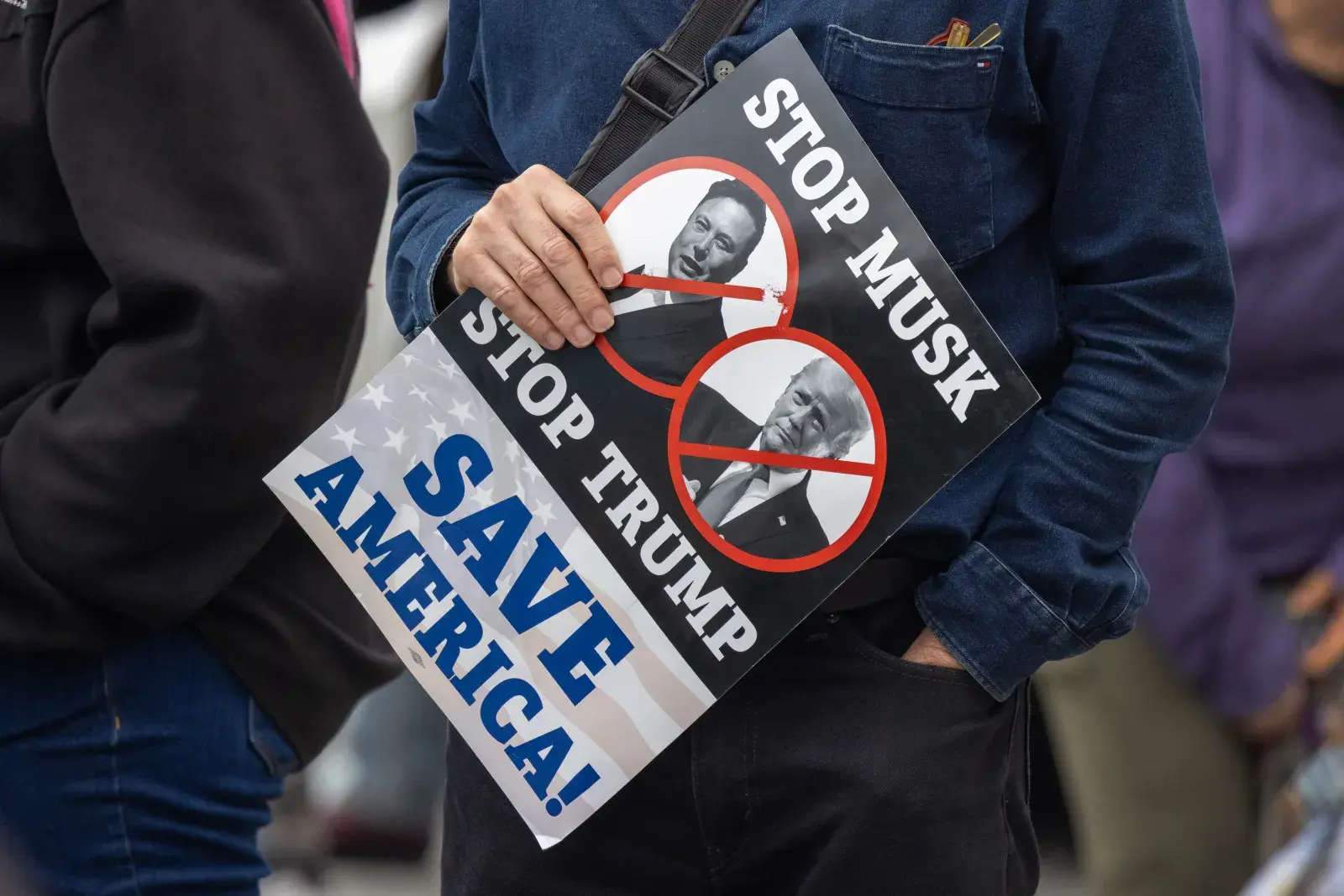
Thanks to the middle-of-the-night participation of 80 company engineers, the “high urgency” issue was quickly solved. In a fashion. The engineers tuned Twitter’s systems to privilege Musk’s posts above all others, boosting his tweets “by a factor of 1,000.” Many users started seeing Musk in their “For You” feeds, even if they didn’t subscribe to his posts. The For You feed became a mirror of Musk’s interests, containing the right-wing accounts he followed. Users found their timelines defaulting to For You, rather than the feed of accounts they had chosen to follow. On Twitter, Musk posted a popular meme that he altered to show a woman (labeled “Twitter”) being forced to consume his tweets.
In July 2023, the transformation became official: Musk rechristened Twitter as X, “the everything app” that he had aspired to make years ago when he was a PayPal executive. Gone was the winsome blue bird logo, replaced by a swaggering black X. Musk promised that the new X would include “comprehensive communications and the ability to conduct your entire financial world.”
Buoyed by his ownership of a news-cycle-driving media platform, Musk seemed to believe—and was willing to amplify—every noxious rumor in his timeline, arguing that hordes of illegal migrants were invading the country as part of a Democrat-controlled plot. He suggested that a mass shooter was a government psychological warfare operation. He said that George Soros wanted to “erode the very fabric of civilization” and that an antisemitic conspiracy theorist was speaking the “actual truth” when he posted that Jews encourage “hatred against whites.” He brought in popular right-wing commentators like Tucker Carlson, who after being fired from Fox News began posting his new show on X.
He began a lawfare campaign against his enemies. “Tesla is building a hardcore litigation department where we directly initiate & execute lawsuits. The team will report directly to me,” he announced. “Looking for hardcore streetfighters, not white-shoe lawyers like Perkins or Cooley who thrive on corruption. There will be blood.” After months of bad-mouthing Disney’s leadership, he funded a fired actor’s lawsuit against the media giant. He sued Media Matters, a liberal media watchdog group, for pointing out the presence of Nazis on the site, which forced Media Matters to eventually lay off a number of staffers to cover legal fees.
Musk became practically a full-time litigant. The legal battle over his attempt to wriggle out of his Twitter takeover was widely reported. He also faced lawsuits over a $56 billion Tesla pay package, working conditions at his companies, SEC investigations into his social-media use and potential stock market manipulation and various casual acts of alleged defamation. Meanwhile, scores of fired Twitter employees sued for unlawful termination or not receiving legally required severance payments. While being cross-examined during the trial over his mammoth Tesla compensation package, Musk seemed unsure of where he was. “Are we in the Tesla trial or the Twitter trial?” he asked. “I’m slightly confused.”
However busy it kept him, legal pugilism was a sideshow. With his friend David Sacks, a politically active Republican donor who backed Governor Ron DeSantis for president before ultimately settling on Trump, Musk posted frequently about the apocalyptic damage being wrought on the country by Democrats trucking in migrants from the Global South. Although violent crime had largely declined in America’s urban centers in recent years, Musk embraced propaganda about violent Democrat-run cities. After one of his children came out as trans and legally disowned him, Musk became vocally anti-trans, promoting a transphobic film and supporting hate-mongering accounts like LibsOfTikTok, which specialized in shining a bright, potentially dangerous spotlight on gay teachers, trans children and queer government employees. LibsOfTikTok was known for helping popularize the “groomer” slur against gay people, and for calling out institutions that provided gender-affirming health care. Many of these hospitals and clinics became the target of protests or bomb threats. Like his peers, Musk engaged frequently with LibsOfTikTok and its creator Chaya Raichik, helping to elevate her to the point where Raichik became a top MAGA personality.
Musk and Sacks, again plowing the same field as Donald Trump, frequently described the mainstream media—and pretty much everyone in it—as corrupt liars. At the same time, Musk’s apparent lack of discernment—his willingness to immediately repost any thinly sourced rumor that flattered his bigotries—was staggering for someone so wealthy and supposedly brilliant. Perhaps Musk didn’t care whether a dubious video accusing Disney World employees of being pedophiles was true.
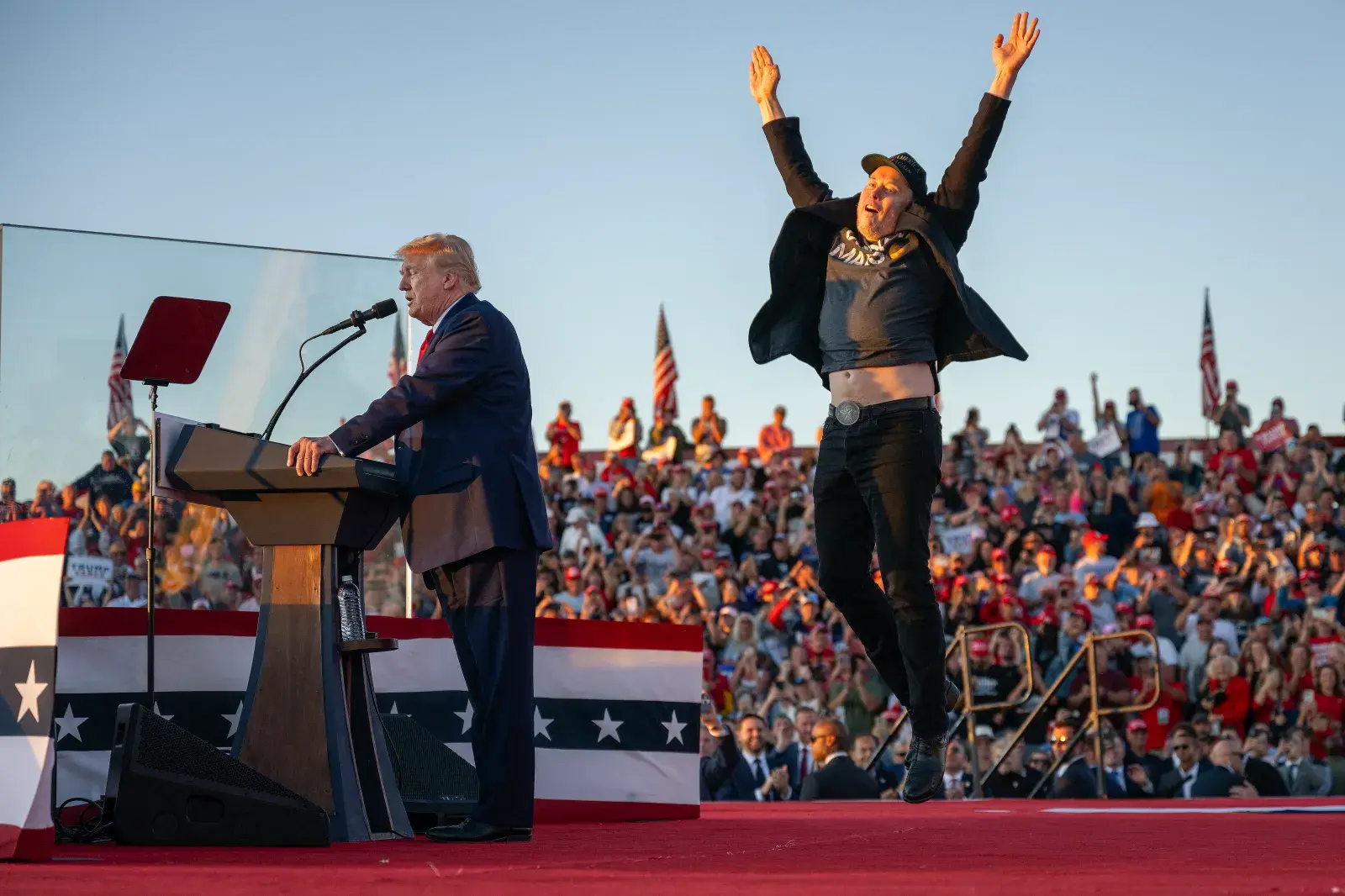
In full public view, it seemed as though Musk was being radicalized by the paranoid online right, being baptized into their ranks. And some of his friends and peers followed. On X, they engaged with the same Nazis and boutique far-right subcultures—misogynist gamers, ultra-libertarian techies and incel-worshipping Groypers (a subgroup of white-nationalist internet trolls led by Nick Fuentes). One could see it every day (and late into the night, in Musk’s case). It was in the posts they shared, the people they talked to and the reactionary ideas they promoted around COVID-19 mitigation, DEI programs, climate change, trans rights and social justice. They posted far-right memes, promoted propagandistic documentaries and went on podcasts that catered to the same audience. Every official narrative was a manipulative “op” crafted by elites pulling the wool over the masses’ eyes. Meanwhile, they were increasingly funding one of the two main political parties that made up the ruling class they claimed to resent.
In April 2024, Edward Perez, who had worked at Twitter as a director for civic integrity, decided he had had enough and could no longer use X. Other people had made similar vows before, both public and private. It had become almost fashionable, an emblem of a sincere, conscious consumerism to say, “No more. I won’t support an Elon Musk-owned business.” (Some Tesla owners had taken to buying bumper stickers saying they bought the car without knowing his politics.) Before Perez left for calmer social-media pastures, he wrote a postmortem for the platform formerly known as Twitter that, building on his insider’s view, astutely described the malign forces at work—financial, political and personal.
“Musk is a poster child for divisive racist, sexist, and plutocratic tendencies that undermine democracy’s commitment to equality for all,” wrote Perez, describing the mogul as throwing a perpetual tantrum. “Musk’s willingness to burn down what he purchased suggests that he’s motivated by a perverse righteousness, not profit.”
It was hard to disagree with that. Even when Musk told the New York Times’ Andrew Ross Sorkin that advertisers critical of his posts should “go f*** yourself” Musk seemed to be acting more out of pique than any true devotion to free speech. Musk even waded into the furore surrounding the Dilbert cartoonist Scott Adams when he said that Black Americans belonged to a “hate group” and that white people should “stay the hell away” from them. According to Musk, it was the media who were racist against white and Asian people.
As Perez wrote, Musk’s free-speech absolutism was a fiction perpetuated by a pliant media. In practice, Musk bowed to authoritarian governments or banned critical journalists when their reporting annoyed him. And he told advertisers to f*** off because they didn’t like his posts and the Nazi-friendly environment he had created. It wasn’t about principle; it was about Elon Musk.
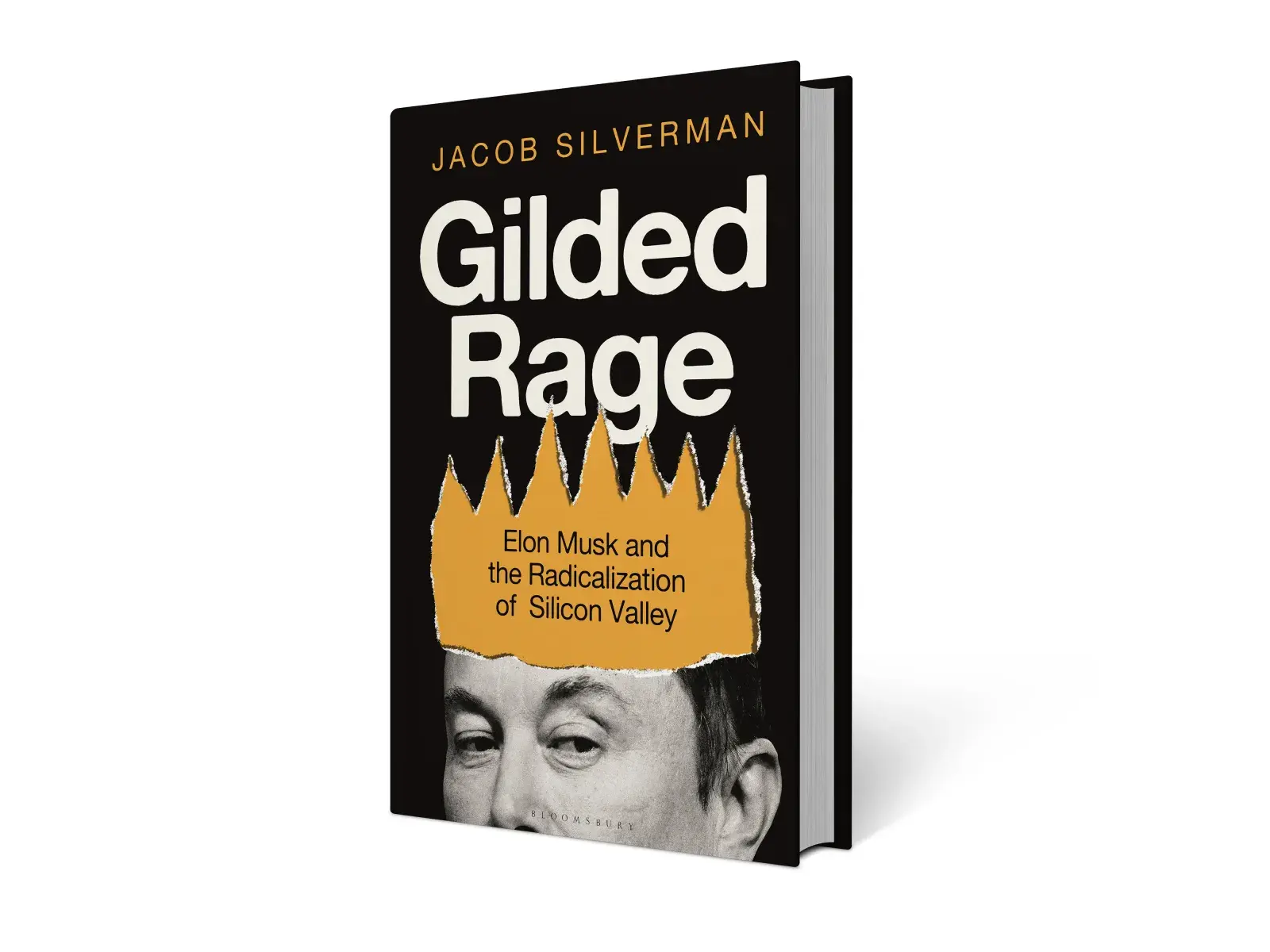
▸ Adapted from Gilded Rage: Elon Musk and the Radicalization of Silicon Valley. Published by Bloomsbury Continuum. Copyright © 2025 Jacob Silverman.