Uncategorized

Drones are on the rise over South China Sea with shift to data-driven strategies

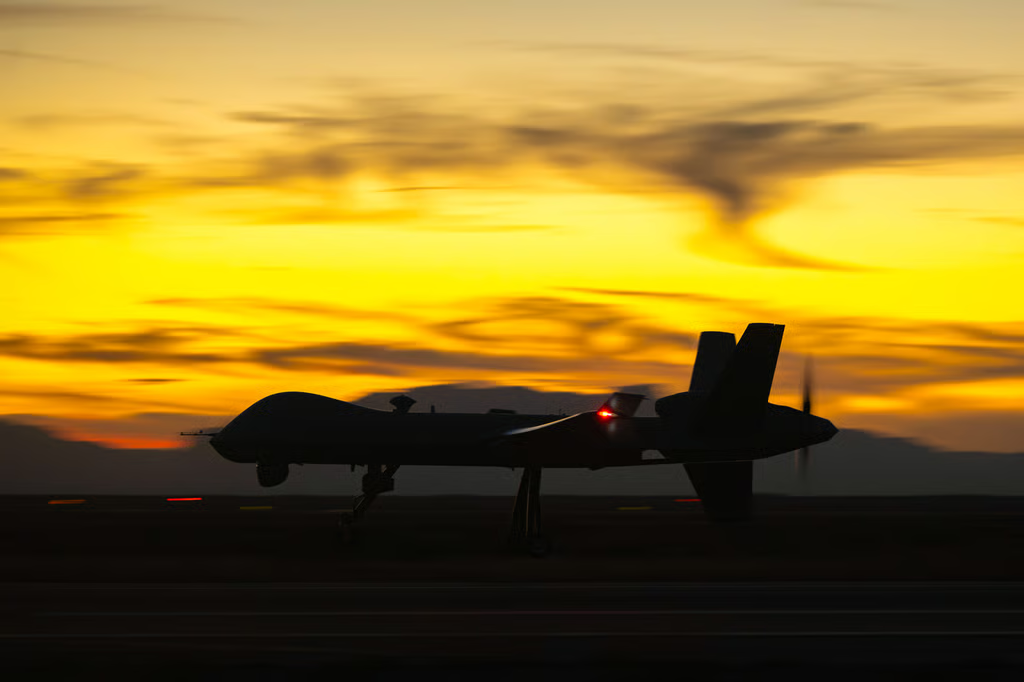
An undisclosed number of MQ-9 Reaper drones have been deployed to the Philippines by the US Marine Corps. Photo: Handout

Across the strategic waterway of the South China Sea, claimant countries are increasingly relying on long-endurance aerial drones to carry out continuous patrols – overcoming the geographic and logistical limitations of traditional aircraft and ships.
The US Marine Corps last month deployed MQ-9A Reaper drones to the Philippines, at Manila’s request, to “support Philippine regional maritime security through shared maritime domain awareness”, according the US Marine Corps Forces, Pacific.

The MQ-9As were unarmed and would be used only for intelligence, surveillance and reconnaissance, a corps spokesman said, without elaborating on the number of drones involved, according to USNI News, a media outlet under the US Naval Institute.

“The temporary stationing of unarmed MQ-9As to the Philippines demonstrates mutual commitment to improving the collective maritime security and supports our common goal for a free and open Indo-Pacific.”
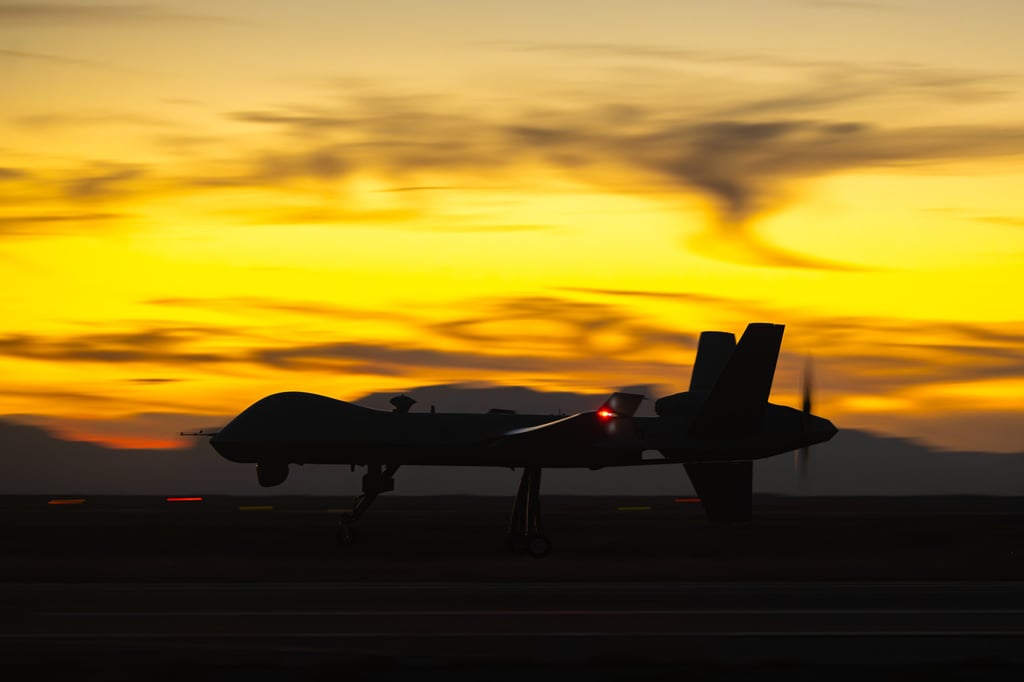
An undisclosed number of MQ-9 Reaper drones have been deployed to the Philippines by the US Marine Corps. Photo: Handout

The MQ-9 Reaper, with its array of advanced sensors, made its debut in 2001 and can operate for more than 27 hours over land or sea, reaching heights of up to 15,240 metres (50,000 feet).

With a 1,746kg (3,850lbs) payload capacity that includes 1,361kg of external stores, the MQ-9 is suitable for a range of operations, including search and rescue as well as close air support and precision strikes.

Source link

Visited 1 times, 1 visit(s) today

Leave a Reply

Your email address will not be published. Required fields are marked *