Published on
December 24, 2025
A new travel scheme connecting Guangdong province with Hong Kong has unlocked a wave of opportunities for local businesses and tourists. Officially launched on December 2025, the Southbound Travel for Guangdong Vehicles scheme permits private cars from Guangdong to enter Hong Kong via the Hong Kong-Zhuhai-Macau Bridge, offering a fresh avenue for tourism and commerce in the region. With a limited number of 100 drivers allowed each day, this new initiative is set to change how tourists experience Hong Kong while simultaneously boosting the local economy.
This fresh cross-border travel policy is not only appealing to tourists but also generating significant new opportunities for businesses. In particular, driving courses, guided travel services, and perks such as parking discounts and accommodation offers are now being rolled out to attract visitors and optimize their stay. These developments come as the city continues to rebuild its tourism industry after the disruptions caused by the global pandemic.
Guangdong Drivers Now Have Access to Hong Kong Urban Areas
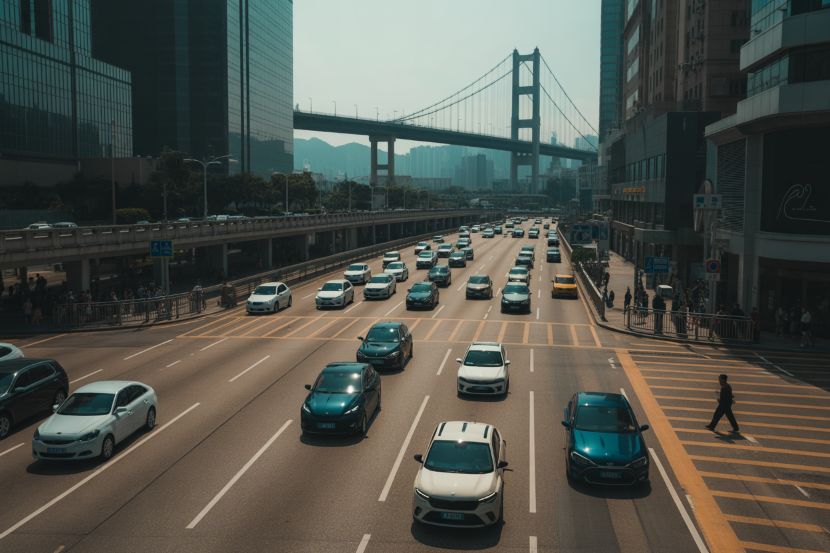
Under the newly approved scheme, private vehicles from Guangdong province are allowed to cross into Hong Kong’s urban zones. The entry is facilitated via the Hong Kong-Zhuhai-Macau Bridge, a mega-structure that connects the three cities. Since the start of the scheme in late December, 100 drivers per day have already been granted access, providing a controlled but impactful boost to the tourism flow in Hong Kong.
This initiative is tailored for mainland Chinese drivers who wish to explore Hong Kong beyond the usual tourist hotspots. Previously, these travelers would have to rely on public transport or tour buses to navigate the city. Now, with their own vehicles, they have the flexibility to venture into lesser-visited areas like Sham Tseng, a renowned spot famous for its roast goose, offering a more personalized and less conventional experience of Hong Kong.
A Growing Market for Local Businesses
Local companies have quickly adapted to this emerging demand. For example, driving schools in Guangdong are offering cross-border adaptation courses, catering to mainland drivers unfamiliar with Hong Kong’s road conditions. These courses provide practical guidance in Mandarin and Cantonese, focusing on the unique challenges Hong Kong’s streets present, such as narrow lanes, steep inclines, and bus lanes.
Additionally, service providers in Hong Kong are offering attractive incentives to cross-border travelers. Major shopping malls and hotels are providing discounts to drivers, including parking discounts and accommodation packages that offer flexible itineraries. For instance, Hotel COZi has introduced a two-night offer where guests can stay at different properties in areas like Kwun Tong, Tsuen Wan, and Tuen Mun, making the most of their cross-border trip.
Application Process and Requirements
The application process for the Southbound Travel Scheme requires drivers to complete several steps to ensure compliance with Hong Kong’s road laws. Applicants must apply online with Guangdong authorities, obtain a Hong Kong driving licence, and complete vehicle inspections before they can access the city. Additionally, drivers are required to purchase third-party insurance, as mandated by Hong Kong’s regulations.
While the entry scheme is still in its early days, the growth in applications reflects significant interest. Authorities report that 700 out of the 1,700 approved drivers have already applied to use the service, highlighting strong demand for cross-border travel between Guangdong and Hong Kong.
Travel Tips for Guangdong Visitors
For tourists planning to use the scheme, here are some essential tips to ensure a smooth experience:
- Ensure all Documentation is Complete: Drivers must make sure they meet all licensing and insurance requirements before their trip.
- Plan Your Route: Hong Kong’s roads can be tricky for mainland drivers, so having a reliable GPS or guide is essential. Consider signing up for an adaptation course if unfamiliar with the city’s terrain.
- Take Advantage of Local Perks: Many local businesses offer discounts and flexible packages for cross-border visitors. From discounted parking to hotel packages, be sure to inquire about special offers.
- Choose Your Timing Wisely: Given the limited number of daily entries, be sure to book your slot in advance to secure your travel time.
By embracing these practical steps, travelers can fully enjoy the new cross-border freedom, gaining access to areas of Hong Kong they might otherwise miss.
Unveiling the Future of Cross-Border Tourism
This scheme is part of a broader strategy to enhance cross-border connectivity between Hong Kong and its Greater Bay Area neighbors, including Macau and Guangdong. As more travelers embrace the flexibility of having their own vehicles, this initiative is poised to reshape the future of tourism in the region, offering new experiences and supporting the local economy in ways that were previously unavailable.