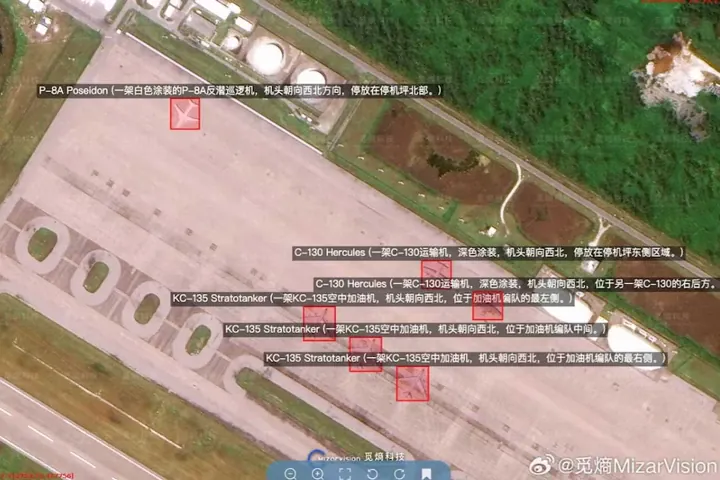
Iranian forces are using AI-processed satellite imagery from a Chinese company to improve targeting of US military installations in the Middle East.
We bring you stories from the ground. Your support keeps our team in the field.
According to ABC News on April 5, officials from the US Defense Intelligence Agency (DIA) assess that Iran’s Islamic Revolutionary Guard Corps (IRGC) is using datasets produced by Chinese geospatial AI firm MizarVision to support missile and drone strike planning.
The report states that the imagery includes automated object recognition and tagging, allowing operators to identify military assets and infrastructure much faster than through traditional analysis.
According to ABC News, MizarVision has released high-resolution satellite imagery annotated with AI-based identification of key military features, including aircraft, shelters, fuel storage sites, radar systems, and troop concentrations.
The platform integrates machine learning models trained to classify objects based on visual signatures, thermal patterns, and contextual indicators. It also attaches geospatial metadata, making the data easier to integrate into targeting and command systems.
US intelligence officials cited by ABC News warn that this capability shortens the intelligence-to-strike cycle by accelerating how targeting data is processed and shared. For Iran, this reduces reliance on its own reconnaissance assets and improves the accuracy of strike planning, including route selection, timing, and target validation.
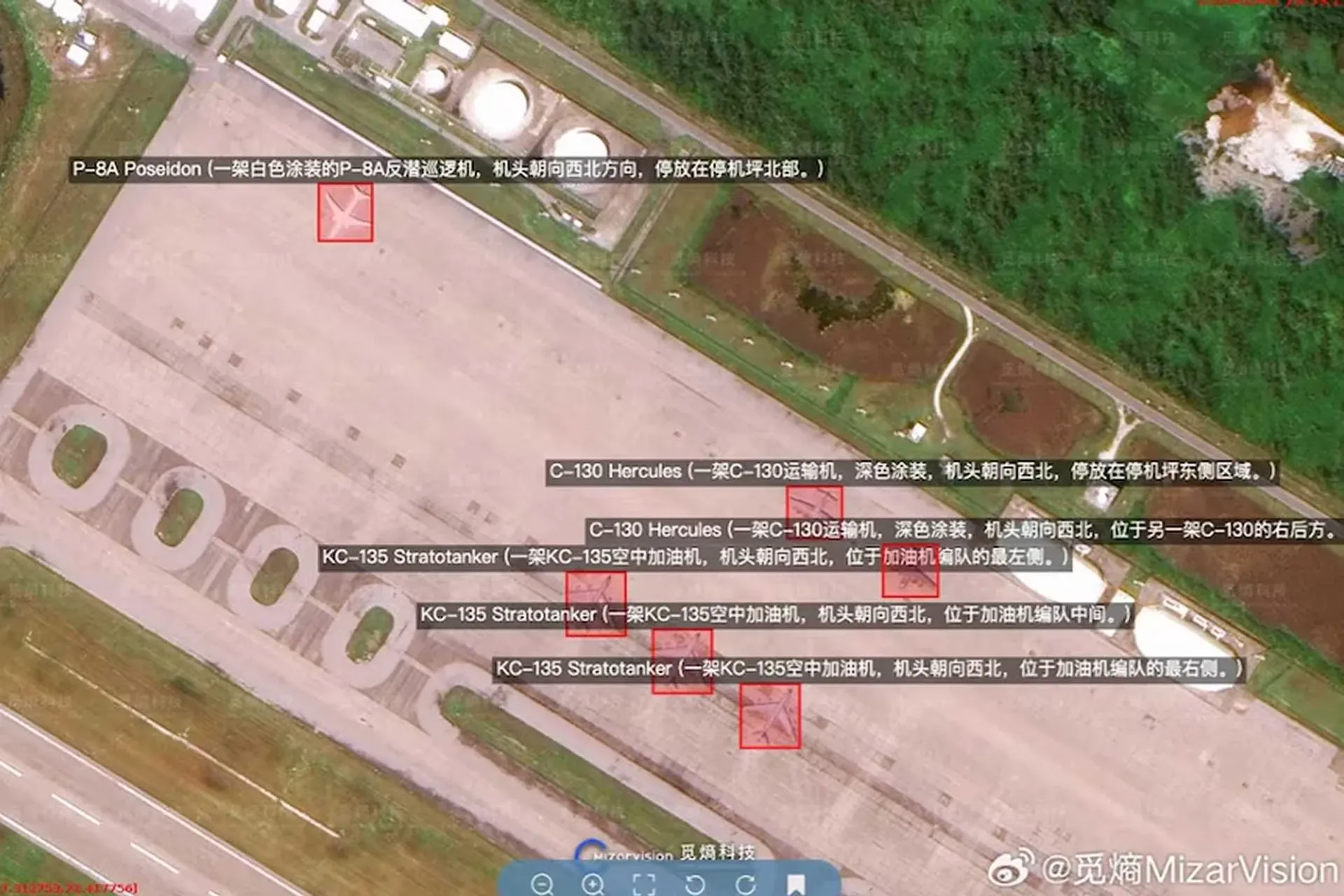
The datasets are partly based on commercially available imagery but gain operational value through aggregation, automated tagging, and rapid analysis. Officials note that such tools can turn open-source data into actionable targeting intelligence, especially when combined with ship tracking and flight data.
The DIA assessment cited by ABC News indicates that the IRGC is actively exploiting these capabilities to enhance strike operations. Analysts warn that this increases risks to US personnel and infrastructure by improving Iran’s ability to identify high-value targets, including air defense systems, logistics hubs, and aircraft on the ground.
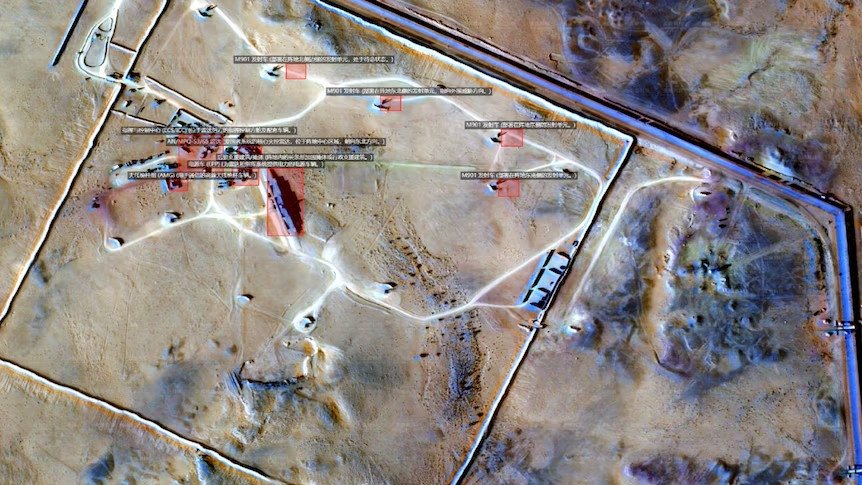
From a technical perspective, AI-enabled geospatial intelligence allows pattern recognition across time-series imagery, helping track activity and detect changes in deployments. According to ABC News, this reduces the effectiveness of traditional countermeasures such as camouflage and concealment, as automated systems can identify subtle anomalies and operational patterns.
Earlier, China reportedly moved to strengthen Iran’s air defense network by supplying advanced systems such as the YLC-8B radar, capable of detecting and tracking stealth aircraft. The cooperation also included support in satellite navigation, cybersecurity, and efforts to reduce Iran’s reliance on Western technologies, alongside reports of covert military transport flights delivering equipment to the country.
-9a7b3a98ed5c506e0b77a6663f5727c5.png)