Editor’s note: Moses Becker is a special political commentator for News.Az. He holds a PhD in political science and specialises in inter-ethnic and inter-religious relations. The views expressed in this article are those of the author and do not necessarily reflect the position of News.Az.
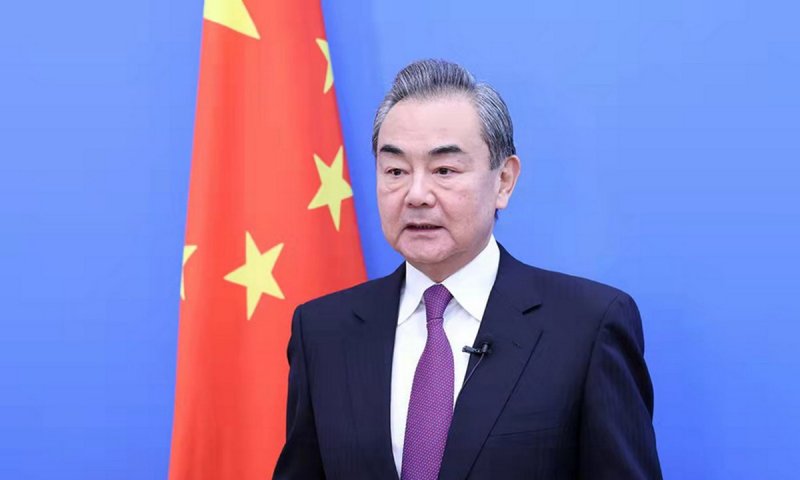
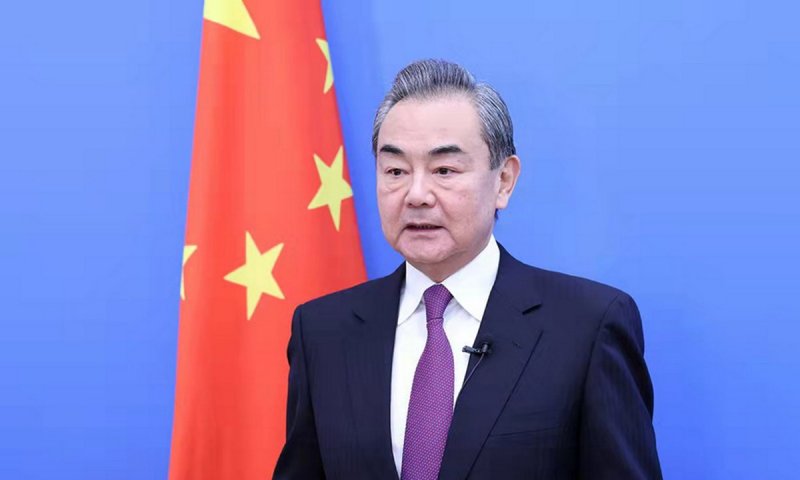
Chinese Foreign Minister Wang Yi’s visit to Canada from May 28 to 30 may look at first like a routine item on the diplomatic calendar. China’s top diplomat is taking part in a UN Security Council meeting in New York, holding talks with UN Secretary-General Antonio Guterres and several foreign ministers, and then continuing on to Canada. Yet behind this seemingly standard sequence of events lies a much more important story: Beijing is trying to bring its relationship with Ottawa back into working order after several years of cold distance, trade disputes, and political mistrust.
For China, the Canadian track matters more today than it may seem at first glance. Canada is not the United States, but it is part of the Western political and economic system. It is a G7 member, a close U.S. ally, and a major supplier of food, raw materials, energy products, and critical minerals. For Beijing, restoring dialogue with Ottawa is therefore not only about bilateral diplomacy. It is also a way to show that China’s relations with the West are not limited to confrontation with Washington and Brussels.
The problem, however, is that Canada is no longer the same partner China once dealt with. After the 2018 crisis, when Huawei chief financial officer Meng Wanzhou was detained in Vancouver, relations between the two countries entered one of the most difficult periods in their history. What began as a diplomatic dispute quickly turned into a broader confrontation involving trade restrictions, mutual accusations, security concerns, and a deep shift in how China is perceived inside Canada.
Source: Global Times
Today, for Ottawa, China is not only a vast market. It is also a partner, a competitor, and a source of strategic risk. Canadian policymakers increasingly discuss cybersecurity, foreign interference, dependence on Chinese supply chains, protection of critical infrastructure, and technological sovereignty. That means any attempt to improve ties with Beijing will be seen not only as an economic move, but also as a political risk.
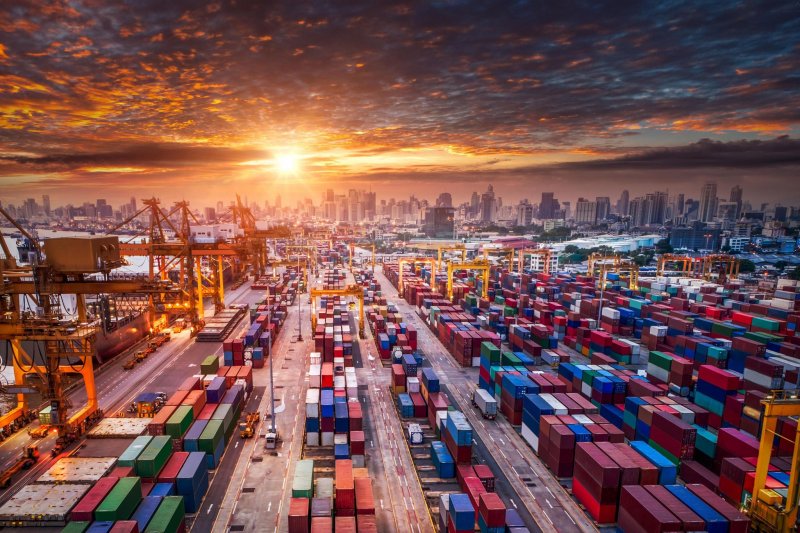
Still, economics cannot simply be removed from this relationship. China remains one of Canada’s largest trading partners. In 2025, trade between the two countries reached around 124 billion Canadian dollars, rising by nearly 5% compared with the previous year. Even more importantly, Canadian exports to China grew faster than imports from China. For Ottawa, this means one simple thing: the Chinese market still matters deeply to Canadian producers.
This is especially visible in agriculture. Canola has long been one of the symbols of China–Canada trade — and one of the most painful points of tension. For Canadian farmers, China is a market worth billions of dollars. When Beijing imposes restrictions or raises tariffs, the impact is immediately felt by rural regions, exporters, and the domestic political agenda in Canada.
The trade disputes of recent years have shown how vulnerable these ties have become. China imposed steep duties on Canadian agricultural and seafood products, including canola-related goods, peas, pork, and seafood. Canada, in turn, moved against Chinese electric vehicles, steel, and aluminum. As a result, the dispute is no longer about individual products. It has become part of a wider struggle over markets, technology, supply chains, and the industrial future.
Beijing’s renewed activity on the Canadian track has several reasons. First, China wants to reduce trade pressure on its companies. Chinese electric vehicles, batteries, solar panels, and industrial goods are facing more barriers across Western markets. Second, Beijing needs stable channels for food, raw materials, and energy resources. Third, China wants to show that even in today’s tense international environment, it can still reach practical arrangements with Western countries.
But in Canada, these arguments are treated with caution. Ottawa does not want to open its market too widely to China’s industrial power while its own manufacturers come under pressure. This is especially true in electric vehicles and green technologies. China already holds strong positions in batteries, solar panels, and the broader clean-energy supply chain. Canada, meanwhile, is trying to build its own place in critical minerals, batteries, and clean technologies.
Here, the interests of the two sides overlap but do not fully match. Canada is rich in resources and wants to sell not only raw materials, but also higher-value products. China, on the other hand, wants to preserve its industrial advantages and secure access to resources. So even if the political climate improves, economic competition will not disappear.
Critical minerals are another key issue. In the economy of the future, they are becoming what oil was in the 20th century. Lithium, nickel, cobalt, rare earth elements, and other materials are essential for electric vehicles, batteries, clean energy, and defense technologies. Canada wants to strengthen its role in this field. China already holds key positions in processing and manufacturing final products. That means talks over minerals will be not just commercial, but strategic.
Another limiting factor is the United States. Canada cannot shape its China policy in isolation from Washington. Its economy, security, and foreign policy are too closely tied to the U.S. Any visible warming between Ottawa and Beijing will inevitably be viewed through the lens of U.S.–China rivalry. China would likely like to show that the Western camp is not united in its approach to Beijing. But Canada will not risk its relationship with Washington for a quick rapprochement with China.
This is why Wang Yi’s visit should not be seen as the beginning of a grand reset. It is more likely an attempt to test where space for pragmatic dialogue still exists. Beijing wants to end the cold Canadian pause, but Ottawa is no longer ready to separate trade from security as easily as before. Canada will talk to China, but it will do so much more cautiously than in the past.
Source: iStock
The success of this stage may be modest: the restoration of regular consultations, a lower risk of new tariff wars, and discussions on agricultural exports, electric vehicles, minerals, and trade rules. For business, even that would be an important signal. In international politics, predictability can sometimes matter as much as major agreements.
For Canadian farmers, the key issue will remain access to the Chinese market. For Chinese companies, it will be the reduction of barriers in Western markets. For politicians, the challenge will be to find a formula in which trade is not completely destroyed by security concerns. But finding such a formula will be difficult. Too much mistrust has accumulated, and the global environment has changed too much.
That is why the current moment is important not because China and Canada are supposedly returning to their old relationship. That relationship is gone. What matters is something else: both sides seem to understand that a complete rupture would be too costly. China does not want to lose Canada as a resource-rich, agricultural, and politically significant Western partner. Canada, for its part, cannot ignore the Chinese market, but it is not ready to act as though the crises of recent years never happened.
Wang Yi may open a new phase of talks, but he cannot restore trust in a single visit. China does want to end the cold Canadian pause. Yet on this path it will face old trade disputes, technology restrictions, pressure from allies, suspicions inside Canada, and competition over the markets of the future. Dialogue is likely to resume — but it will be cautious, difficult, and far less warm than Beijing might prefer.
(If you possess specialized knowledge and wish to contribute, please reach out to us at opinions@news.az).