NEWYou can now listen to Fox News articles!
FIRST ON FOX: China is expanding a network of space facilities across Latin America that could strengthen Beijing’s military surveillance and warfighting capabilities in the Western Hemisphere, according to a new report.
An analysis from the House Select Committee on the Chinese Communist Party, obtained by Fox News Digital, identifies at least 11 People’s Republic of China-linked ground stations, radio telescopes and satellite ranging sites in Argentina, Venezuela, Bolivia, Chile and Brazil — installations the panel says may have dual-use military applications.
The report calls on the Trump administration to “halt the expansion” of Chinese space infrastructure in the region and “ultimately seek to roll back and eliminate” Chinese space capabilities in the hemisphere that threaten U.S. interests.
The analysis relies on open-source reporting, satellite imagery and Chinese planning documents that elevate space cooperation as a pillar of Beijing’s relations with Latin America, according to the findings.
Lawmakers argue China’s military-civil fusion strategy makes it difficult to separate academic or commercial space cooperation from potential military applications.
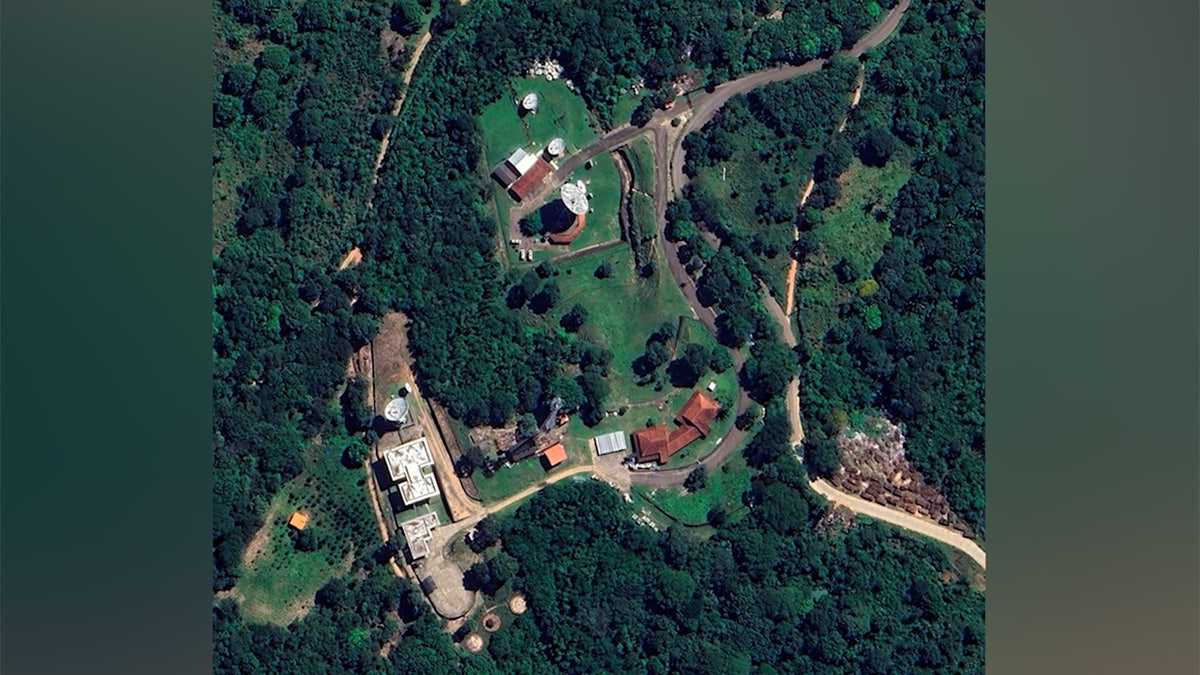
China-operated space facility in La Guardia, Argentina. (House Select Committee on China )
“Beijing uses space infrastructure in Latin America to collect adversary intelligence and strengthen the PLA’s future warfighting capabilities,” the report states, referring to the Chinese Communist Party’s People’s Liberation Army.
Lawmakers also raised concerns about oversight at certain sites, noting that in at least one case host-nation inspection rights appear limited. The report emphasizes that “host nations retain both the right and responsibility to verify that facilities advertised as civilian are not being used for military or intelligence purposes inconsistent with their national laws.”
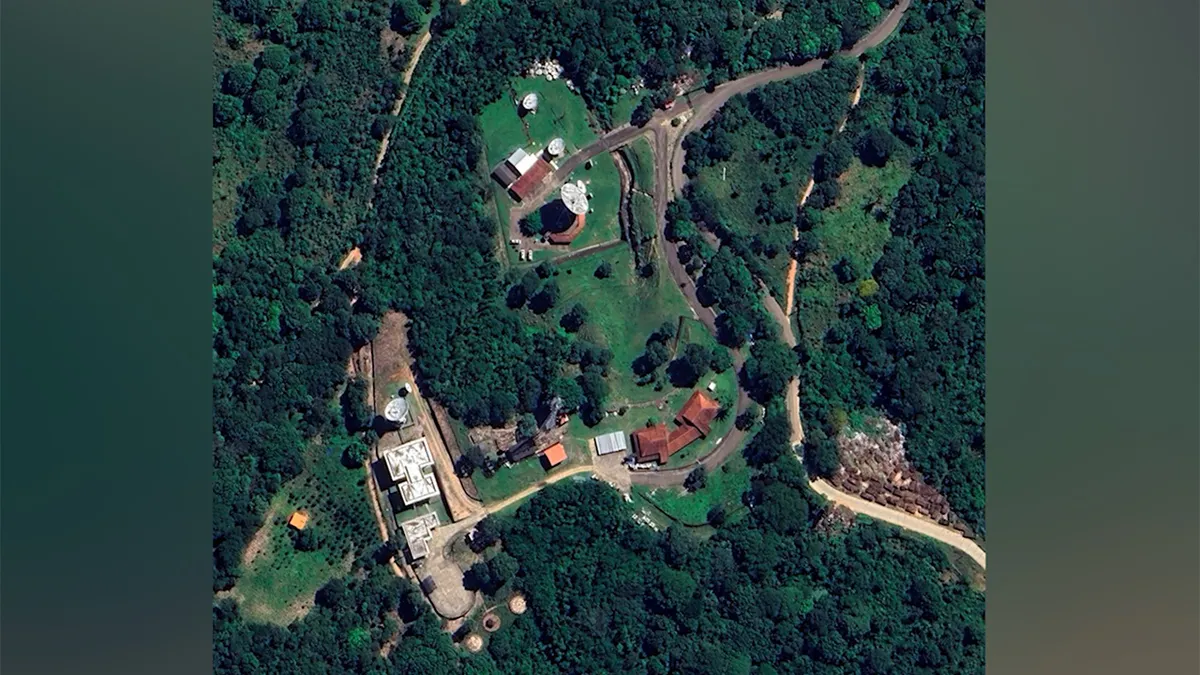
One of the most closely watched sites is a Chinese-operated deep space station in Argentina’s Neuquén province, established under a 50-year lease agreement signed in 2015. The facility, which includes a 35-meter antenna used for satellite tracking and deep space missions, has been described by Beijing as a civilian research installation supporting lunar and space exploration programs.
US RAID IN VENEZUELA SIGNALS DETERRENCE TO ADVERSARIES ON THREE FRONTS, EXPERTS SAY
However, the House report notes that the station is operated by an entity linked to China’s satellite launch and tracking network and raises concerns about transparency and oversight. In previous reporting, questions have surfaced about the extent to which Argentine officials have inspection access to the site, fueling debate over sovereignty and foreign control of strategic infrastructure.
The Argentina embassy could not immediately be reached for comment.
Chinese Embassy spokesperson Liu Pengyu pushed back on the report’s characterization, saying China’s space cooperation with Latin American countries is focused on development and peaceful use.
“In recent years, China–Latin America space cooperation has yielded fruitful results,” Liu said, citing projects involving remote sensing satellites, communications satellites and deep-space ground station networks.
He said such efforts have played “an important role in advancing scientific and technological development, strengthening regional connectivity, and improving people’s livelihoods.”
Liu added that China and Latin American countries will continue to deepen cooperation in satellite technology, data applications and space infrastructure, including projects aimed at disaster prevention, agricultural monitoring and climate response.
“Latin America belongs to the people of Latin America,” Liu said. “Drawing lines of spheres of influence and stoking geopolitical confrontation will not make any country safer, nor will it bring peace to the world.”
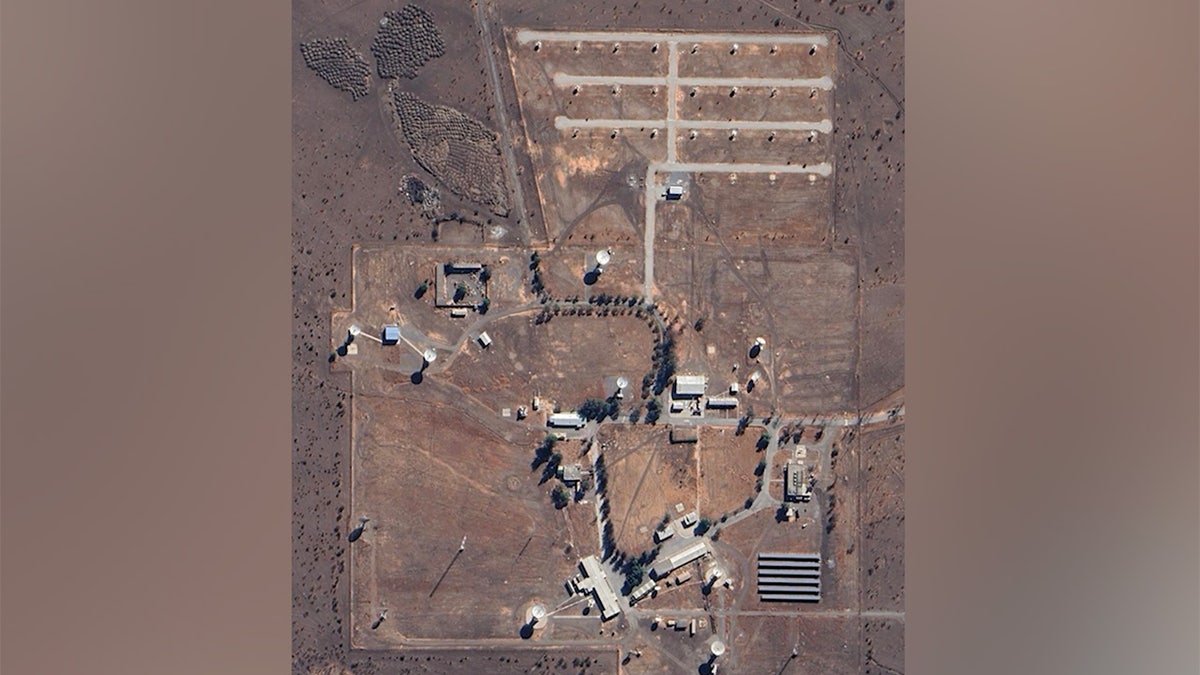
Image shows a China-operated satellite ground station in Santiago, Chile. (House Select Committee on China )
Lawmakers argue that facilities like the one in Neuquén, Argentina, illustrate the broader concern that ostensibly civilian space cooperation can be integrated into China’s military-civil fusion framework, potentially supporting the People’s Liberation Army’s global space architecture.
The Pentagon declined to comment on the specifics of the committee’s findings but said it “continuously monitors developments that could affect the security environment, including space-related infrastructure and capabilities.”
A Defense Department spokesperson added that the department remains “attentive to activities that could impact stability, transparency, or the long-term security interests of the United States and our partners in the Western Hemisphere.”
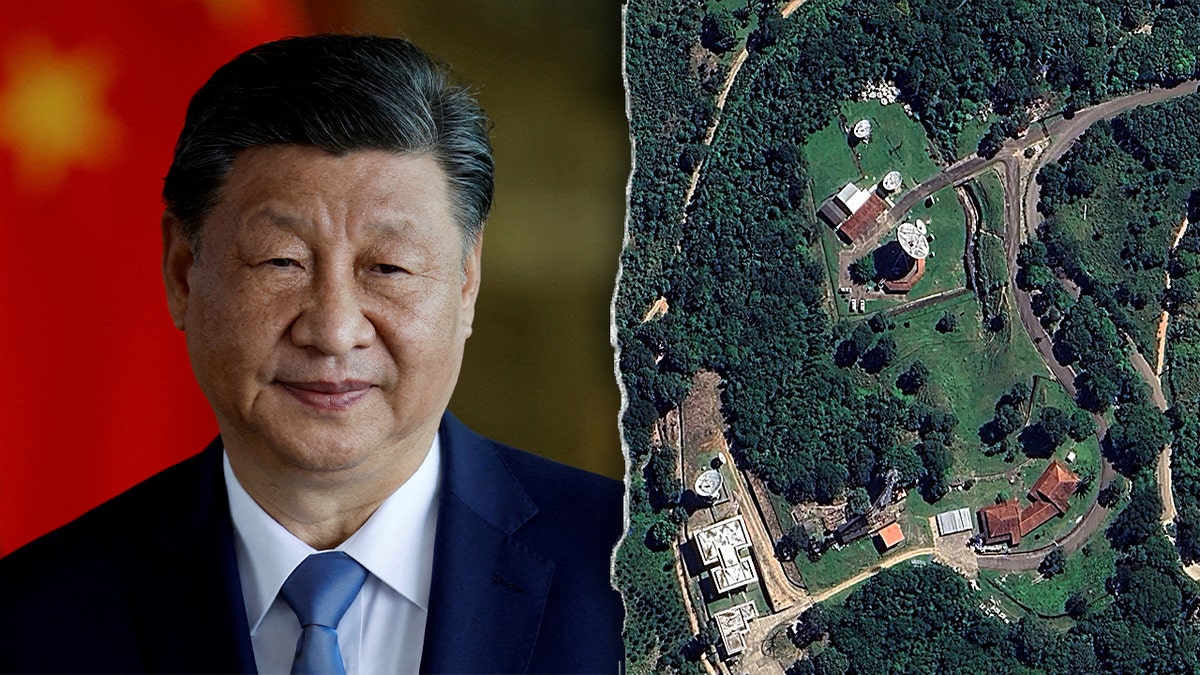
A House committee is raising concerns about China’s space architecture in Latin America. (Adriano Machado/Reuters:House Select Committee)
The Department of War’s 2025 annual report to Congress on China’s military developments similarly notes that Beijing “has the largest space infrastructure footprint outside of mainland China in Latin America and the Caribbean,” and assesses that expanding its regional space presence “almost certainly provides China with enhanced space domain surveillance capabilities, including against U.S. military space assets, throughout the hemisphere.”
The same report states that China’s growing space-based intelligence, surveillance and reconnaissance capabilities have “dramatically increased its ability to monitor, track, and target U.S. and allied forces both terrestrially and on orbit.”
The House panel also points to Chile, where a proposed expansion of a Chinese space-related project was put on hold following engagement from the Trump administration, according to sources familiar with the project. Lawmakers view the pause as evidence that diplomatic pressure can influence host governments weighing cooperation with Beijing.
CLICK HERE TO DOWNLOAD THE FOX NEWS APP
The report further urges federal agencies to review existing cooperation agreements in the region. Lawmakers recommend that NASA examine any partnerships with countries hosting Chinese-operated space facilities to ensure compliance with the Wolf Amendment, a federal law that restricts bilateral space cooperation with China and Chinese-owned entities.
The panel argues that even multilateral arrangements could warrant scrutiny if they indirectly benefit Chinese-linked infrastructure and calls on Congress to clarify that such agreements should not be structured in a way that circumvents existing prohibitions.
Related Article