Got story updates? Submit your updates here. ›
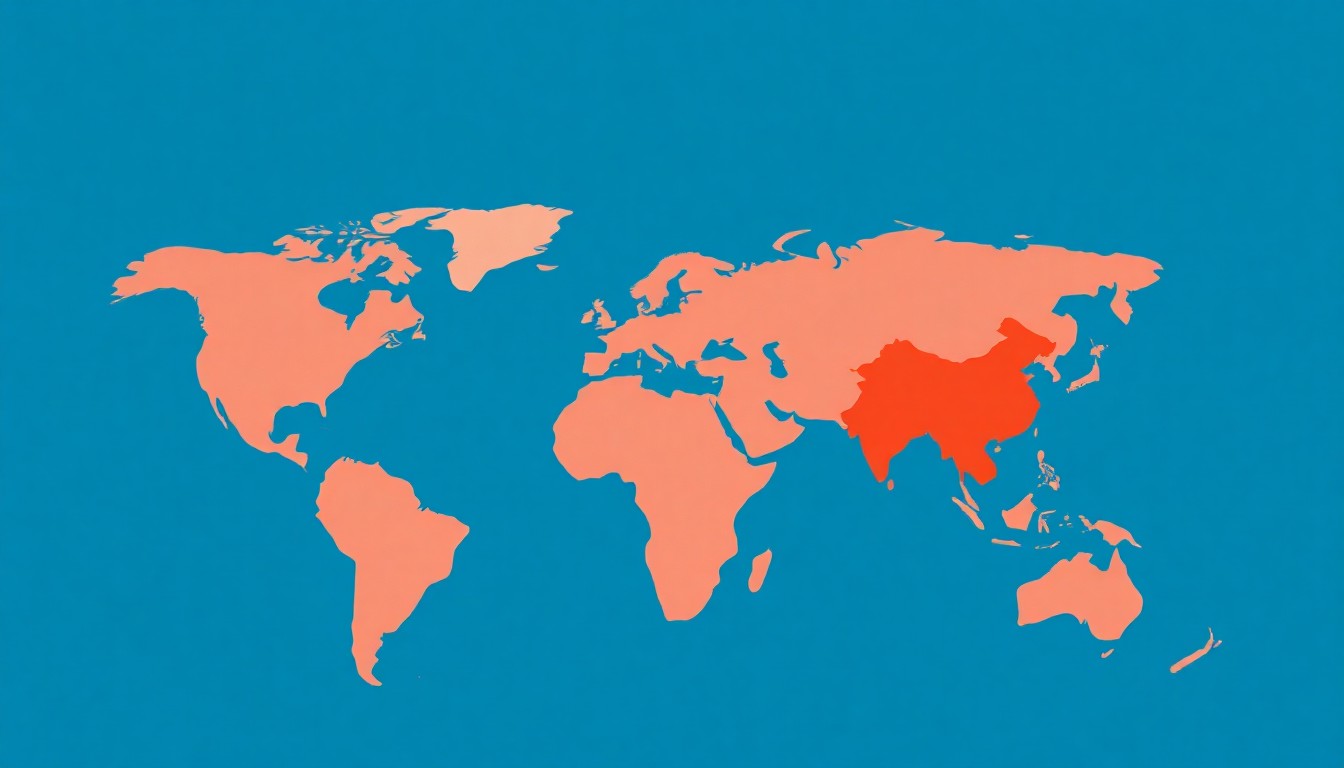 China’s strategic trade expansion seeks to build a more China-centric global economic order, reducing reliance on the United States.Boston Today
China is quietly reshaping global trade to outlast the Trump era, aiming to embed itself so deeply in international markets that U.S. pressure becomes a secondary concern. The strategy hinges on massively expanding trade links while managing domestic and foreign pushback, as Beijing pursues roughly 20 free-trade agreements to weave China more tightly into the world economy, even as U.S. tariffs linger.
Why it matters
By accelerating engagement with blocs such as the European Union, Gulf states, and trans-Pacific arrangements, China hopes to counter American containment and secure long-term economic momentum for its roughly $19 trillion economy. This push faces skepticism from some partners who worry about import surges of inexpensive Chinese products or the potential coercive use of market access as leverage.
The details
A Reuters assessment of hundreds of state-backed trade policy papers reveals a coordinated, long-range effort among Chinese scholars and policymakers to redesign global trade rules in China’s favor, effectively countering U.S. strategies. The Canada pact reached during Prime Minister Mark Carney’s January visit to Beijing, which lowers tariffs on Chinese electric vehicles, is described as an initial step in diminishing U.S. leverage and expanding China’s influence in regional and multilateral frameworks.
- In January 2026, Prime Minister Mark Carney visited Beijing.
- Since 2017, Chinese scholars and policymakers have produced over 2,000 policy papers on reshaping global trade.
The players
China
A $19 trillion economy pursuing roughly 20 free-trade agreements to weave itself more deeply into the global economy and reduce U.S. influence.
European Union
A key bloc that China is seeking deeper trade ties with as part of its strategy to counter American containment.
Gulf Cooperation Council
Another regional group that China is targeting for expanded trade cooperation as it aims to build resilient economic blocs.
Mark Carney
The Prime Minister of Canada who visited Beijing in January 2026 and reached a trade pact that lowers tariffs on Chinese electric vehicles.
Reuters
The news agency that reviewed over 2,000 Chinese trade policy papers and reported on China’s coordinated efforts to reshape global trade rules.
What’s next
The landscape could shift again depending on U.S. policy changes in future administrations and how successfully China translates policy papers into tangible, trust-building trade commitments.
The takeaway
China’s strategy centers on deeper integration into global trade networks as a hedge against U.S. pressure, pairing expanded access with innovation in logistics, standards, and digital trade. This approach is designed to build resilience and influence in a world where American influence is perceived as imperfect or waning.