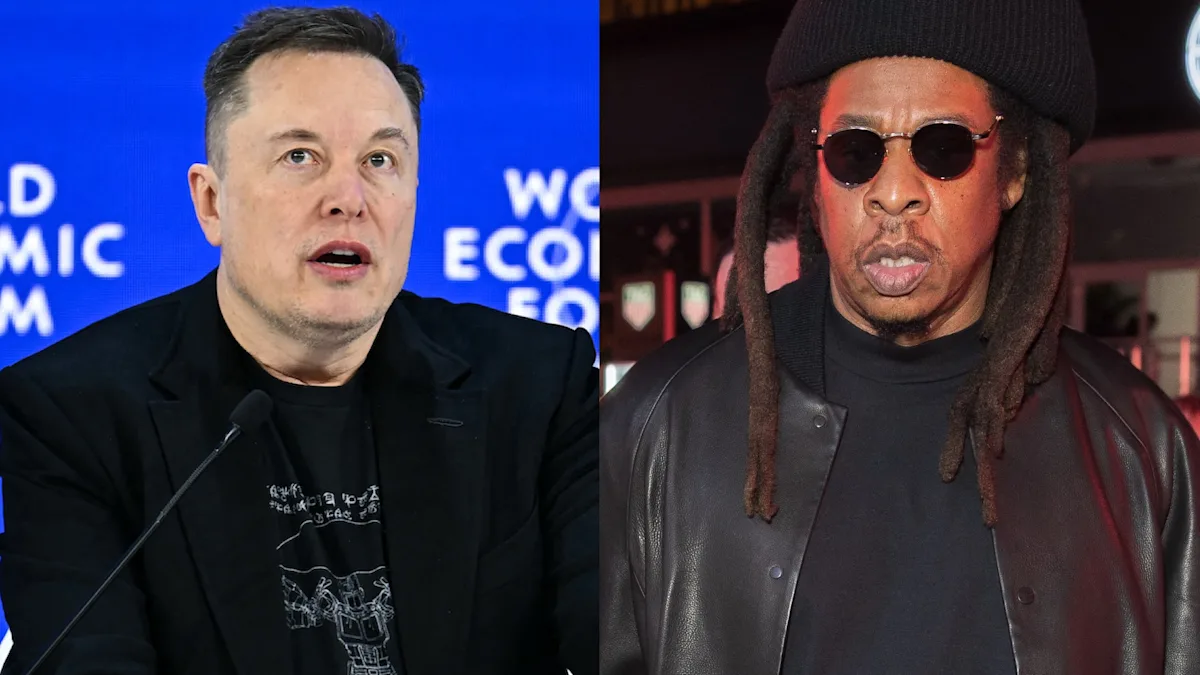
Much of our pop culture – and much of our lives – revolves around the moves of celebrities. Celeb-session is nothing new, whether it be fans fainting at the very sight of Micheal Jackson or even the worshipping of Cleopatra.
The constant attention this level of popularity affords celebrities has adverse effects. The lack of privacy drives some to isolation and others to very public, TMZ broadcast outbursts. Our parasocial relationships with celebrities fuel entire industries, and completely dehumanize celebrities as a whole.
With the rise of social media, celebrities’ moves are broadcast to the general public more instantly, and more frequently, than ever. However, despite the change in availability of this constant information on our favorite celebs, the tracking, documenting and publishing of celebrities’ every move is not a new practice.
The paparazzi that follows celebrities and photographs them has existed since the beginning of the 20th century. These journalists exist purely to track and keep tabs on celebrities’ lives and movements.
This invasive practice, in modern times, is most clearly found in TMZ. TMZ is a tabloid news organization primarily known for breaking news on celebrity drama, and oftentimes, its journalists are found skulking around celebrities in airports, in front of their homes, restaurants, etc.
TMZ, as a “tabloid” news organization, loses a lot of credibility because of its focus on drama and celebrity gossip, but regardless, it retains viewership thanks to people’s obsession with celebrities.
Photographers and fans following celebrities around constantly has led to numerous meltdowns and confrontations between celebs and the press. At worst, the constant tailing from paparazzi can cause actual physical harm due to the swarm of bodies and cars surrounding the star like the eye of a camera-flashing hurricane.
No case better exemplifies this than that of Diana, Princess of Wales. Diana’s life was constantly publicized, up until the day of her death on Aug. 31, 1997, when while trying to outrun paparazzi in Paris, she was killed in a car accident.
All this is to say: The culture surrounding celebrities, with all of its unrelenting obsession, has real negative impacts. If you can imagine a photographer following you around at every moment of your life, outside your house, asking about your personal life, relationships, your sex life, 24/7, 365 days a year, you can imagine how stressful and anxiety-inducing that can be.
The publicizing of celebrities’ personal lives sets a harmful precedent. Celebrities are constantly hounded by fans while in public. Many experience parasocial relationships with fans who think because they know so much about the celebrity, in a way, they know them personally.
At best, it can be an annoyance. At its worst, an obsession. Celebrities, most often female, are stalked by fans who believe they are owed some sort of personal relationship with them.
Approaching a celebrity in public to ask for a photo or an autograph is not inherently wrong, but it’s about how you do it. If you were out to dinner with your family, or you were leaving the doctors office, or any number of private situations that take place in public locations, you would not want to be asked for a photo, right?
We as a society would do well to place ourselves in the shoes of these celebrities. While, in a way, their position of influence as public figures comes with the caveat of this attention, there is a line of privacy that everyone is afforded as humans. With celebrities, it is too often crossed.
We should be less celebrity focused, allow them to exist in public spaces without making them uncomfortable and stop supporting the media outlets that put their personal lives in front of the entire world for no reason other than morbid curiosity.