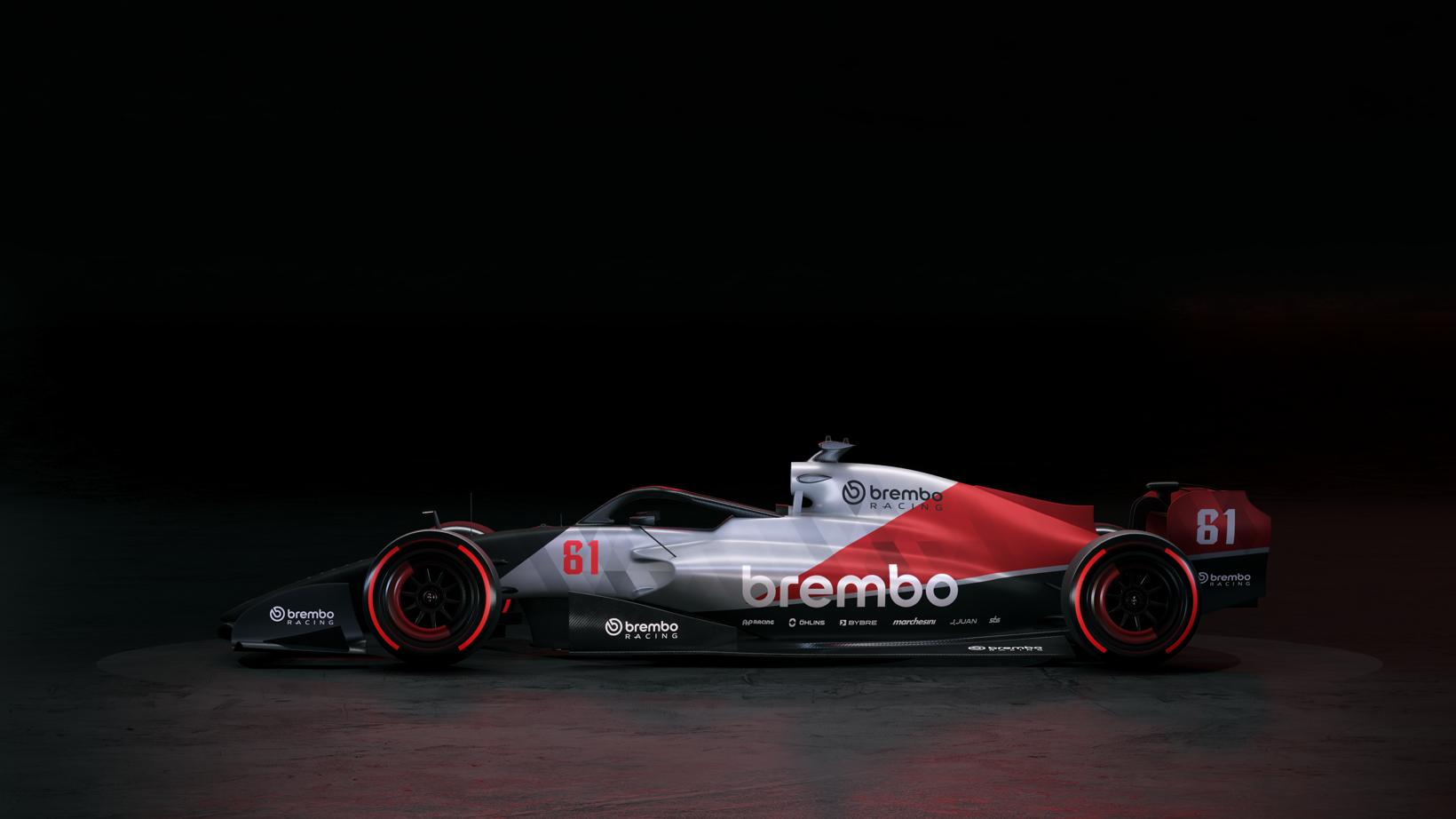
Gasgoo Munich- The 2026 Formula 1 season brings the most sweeping regulatory overhaul in the sport’s history. With the widespread adoption of active aerodynamics and a sharp increase in MGU-K energy recovery power, racing braking systems face a fresh set of challenges.
As the core supplier of braking systems for F1, Brembo recently detailed its technical response to the new rules, its on-track support, and its strategic layout in global markets—particularly China. The interview underscored the company’s leading strength and forward-looking vision in high-performance braking.
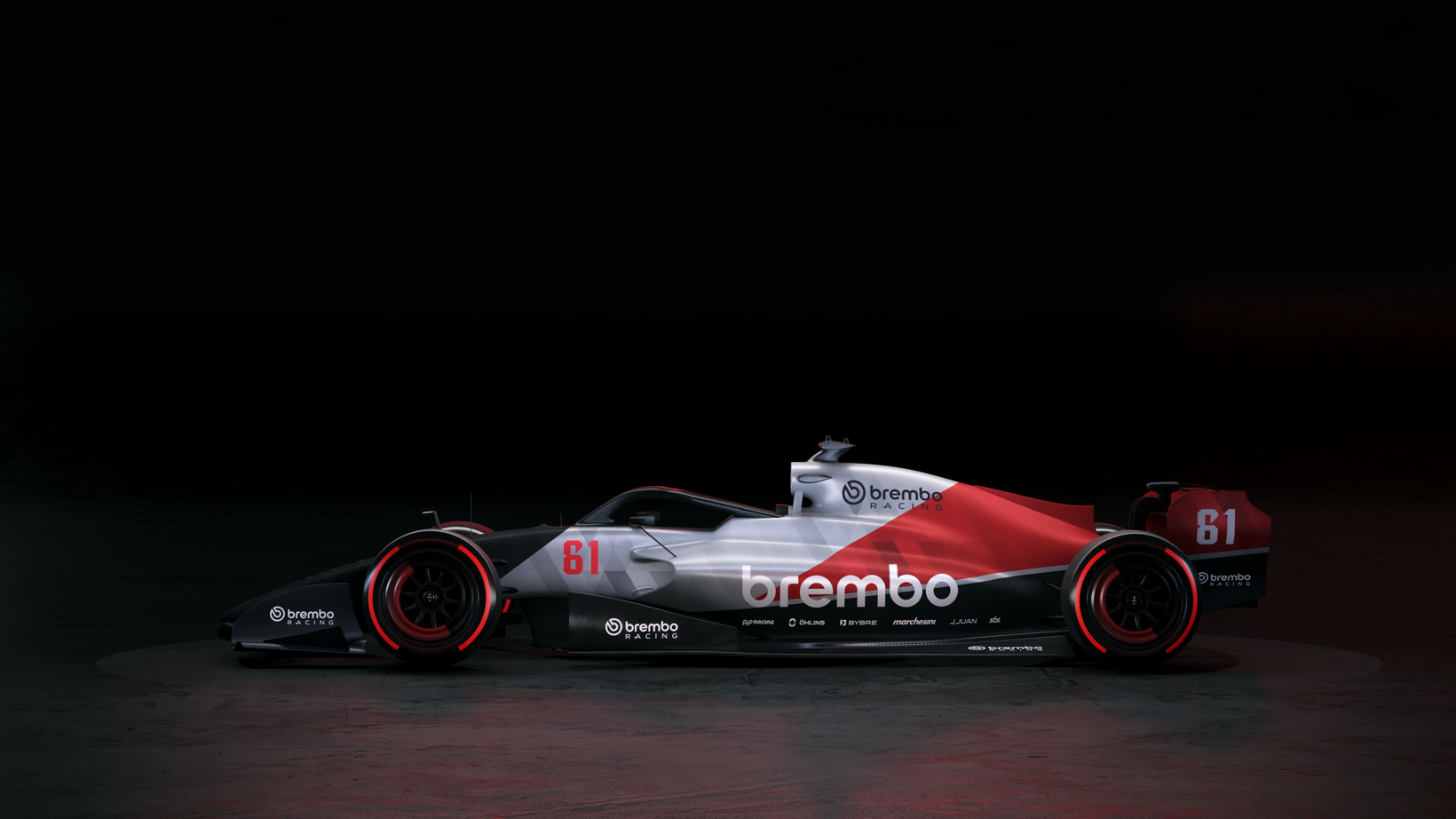
Image Source: Brembo
Adapting to New Regulatory Demands
The 2026 regulations impose multiple stringent requirements on braking systems. Notably, the MGU-K energy recovery power jumps from 120 kW to 350 kW, extending braking phases and increasing reliance on software control. New specifications dictate brake disc dimensions and ventilation hole patterns, while the application of active aerodynamics demands fresh aerodynamic integration from the braking system.
To address these shifts, Brembo has rolled out a series of targeted technical solutions.
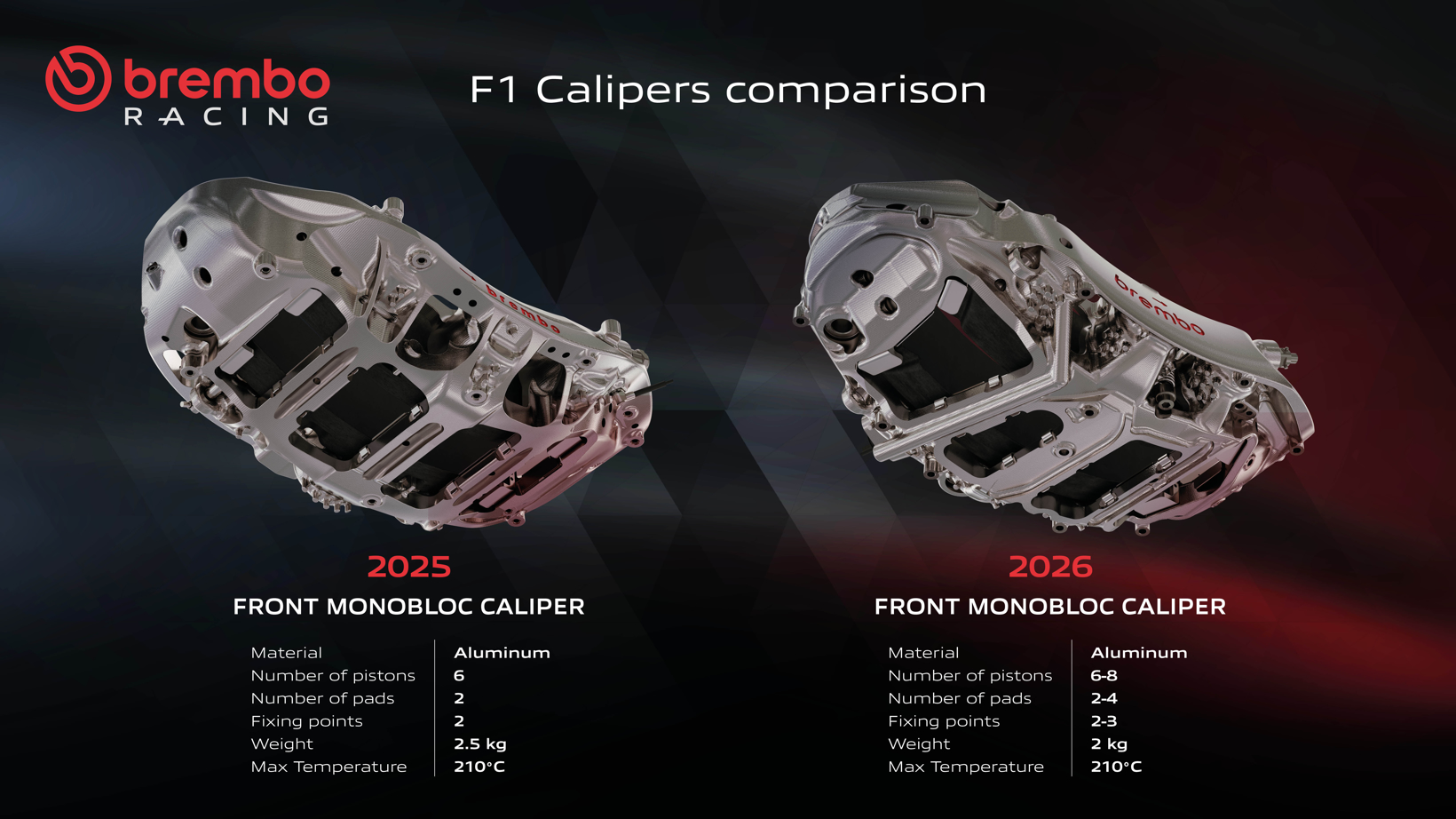
Regarding aerodynamic synergy, Brembo has optimized component design. By utilizing calipers that are more compact, rigid, and feature a cleaner layout—configurable with up to eight pistons and four brake pads—it optimizes airflow around the wheels and brake ducts. Simultaneously, improved cooling hole designs enable more efficient thermal management, allowing for smaller ducts that indirectly yield aerodynamic advantages.
Furthermore, the braking system is deeply integrated with Brake-by-Wire technology. This enables precise control of braking balance, aligning perfectly with the active aerodynamic system’s requirements for vehicle stability.
For core component upgrades, Brembo employs more stable and reliable carbon materials to handle the complex conditions, temperature fluctuations, and load variations caused by hybrid braking. The brake disc structure has been redesigned: front disc diameters increase to a maximum of 345 mm and thickness to 34 mm. Ventilation holes now exceed 1,400 in number, with diameters reduced to as small as 2.5 mm, significantly boosting thermal performance. A new generation of lightweight calipers has also been launched, shedding roughly 0.5 kg compared to the 2025 model to tip the scales at around 2.0 kg, meeting the sport’s demand for weight reduction.
Through precise software control, Brembo achieves an intelligent split between mechanical and electric braking. The rear axle prioritizes electric braking for energy recovery, while the front axle relies on traditional carbon braking. The Brake-by-Wire system automatically balances the two, ensuring consistent pedal feel.
Addressing the challenges posed by the new rules, Brembo notes that hybrid braking technology has not reduced the peak demand on braking systems. Instead, because braking phases are longer and more complex, the requirements for system stability have risen.
The primary challenge now lies in ensuring consistent pedal feel and reliable carbon braking performance amidst energy recovery fluctuations and software-driven actuation. At the same time, Brembo is leveraging the new hardware freedoms to develop new caliper series and advanced thermal management solutions, all while meeting teams’ stringent demands for component weight and rigidity.
Empowering the Race: Precise Response to Combat Needs
Following the conclusion of the Australian Grand Prix—the first stop of the 2026 season—the Chinese Grand Prix follows immediately as a back-to-back race, leaving teams with an extremely tight window for adjustments. Brembo is leveraging its technical edge to provide instant support to all teams, helping them rapidly adapt to track demands.
After the checkered flag in Melbourne, Brembo engineers immediately reviewed race data with every team. Focusing on the characteristics of longer hybrid braking times and increased battery recharging needs under the new rules, they optimized braking system settings. For corners that test braking limits the most, braking time was optimized and improved by approximately 20%.
Given the time constraints of back-to-back events, Brembo focused its work on braking system calibration, cooling strategy adjustments, and optimizing carbon material performance. This avoided major structural changes, ensuring teams could quickly dive into the fray at the Chinese Grand Prix.
It is reported that Brembo supplies calipers and braking systems to all 11 teams on the 2026 F1 grid, dispatching dedicated engineers for on-site support at every Grand Prix. Additionally, its subsidiary Öhlins provides dampers specifically built for F1 cars to 5 of the 11 teams. These dampers can be fully integrated into the vehicle’s aerodynamic-mechanical platform, with technical support provided remotely.
Moreover, Brembo participates in the R&D process of every team from design concept to track analysis. It tailors braking system solutions to different vehicle philosophies, assisting teams in navigating the competitive landscape shaped by the new regulations.
Focusing on the China Market: Strengthening Brand Synergy
As F1 undergoes its electrification transformation, the global automotive market—especially China’s NEV sector—is developing rapidly. The increasing proportion of energy recovery and the rise in vehicle weight are placing new demands on braking systems.
Brembo is grounding its strategy in a global vision while deeply cultivating the Chinese market and strengthening the synergy between its brands to build a comprehensive, high-performance product ecosystem.
As a strategic core in Brembo’s global layout, China hosts over 2,500 employees and multiple business units covering the full chain from R&D and production to sales. The passion of the Chinese team during the Shanghai F1 Grand Prix each year fully demonstrates the vitality of this market.
Brembo emphasizes that its approach in China is not merely localized operation. Instead, it is guided by international standards and practices, combining world-leading technology with local market demands to continuously provide high-performance, intelligent braking solutions.
In terms of brand synergy, Brembo oversees three top-tier brands: Brembo, AP Racing, and Öhlins. Brembo and AP Racing focus on braking system R&D, while Öhlins specializes in the shock absorber sector. While retaining their distinct technical characteristics and independent operating models, the three achieve deep synergy in top-tier racing.
For instance, in events like MotoGP and Le Mans/WEC, championship cars from teams such as Ducati and Ferrari simultaneously utilize products from all three brands. This creates system-level coordinated performance, showcasing Brembo’s advantage in the integration of high-performance components.
Looking ahead, Brembo plans to continue leveraging its technical accumulation from F1 to drive innovation in braking technology. The goal is to meet the extreme performance demands of top-tier racing while adapting to the development trends of the global NEV market. At the same time, the company will further deepen its layout in China, supporting the high-quality development of China’s motorsport and automotive industries.