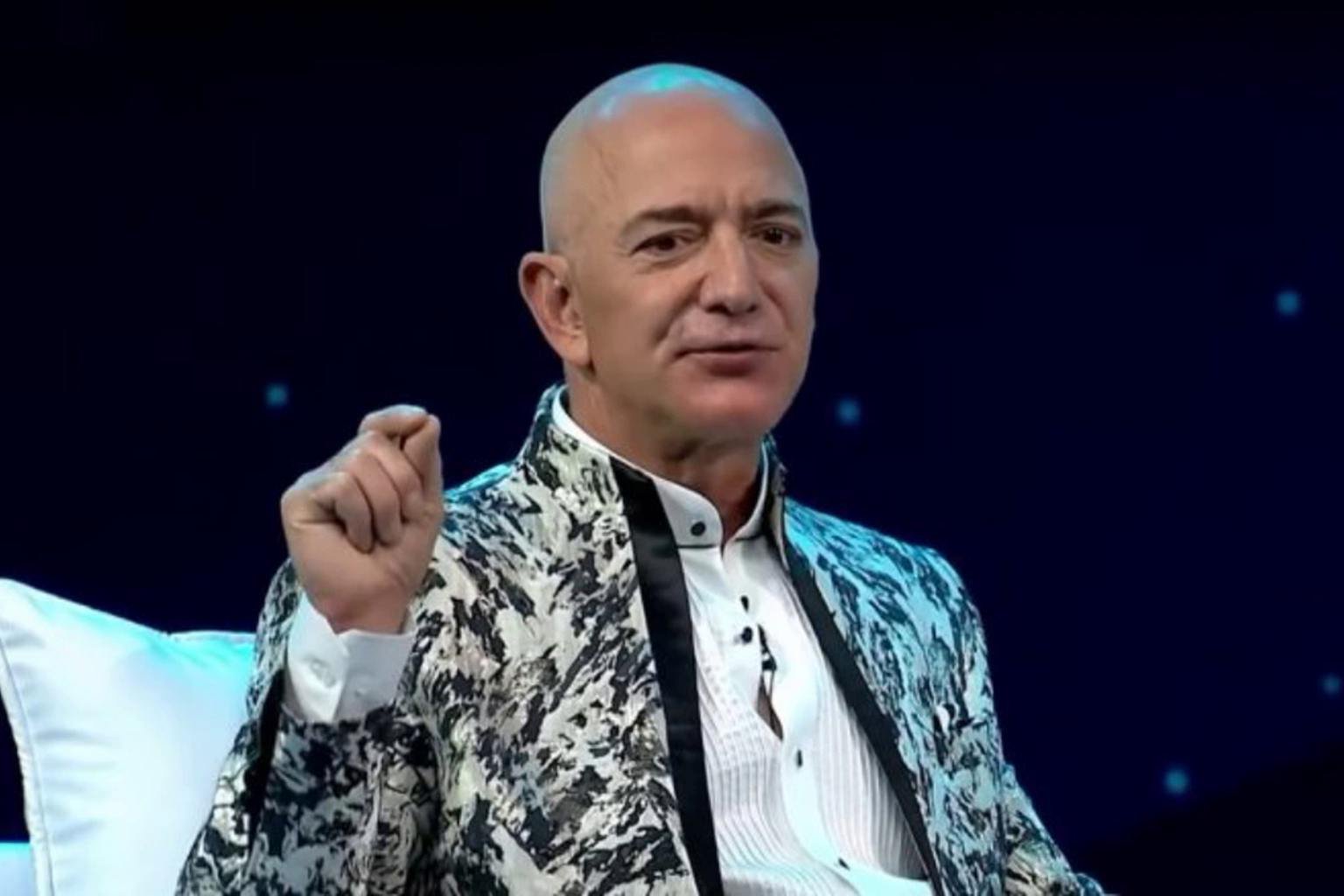
Picture an ultra-exclusive island near Miami where some of the wealthiest people on Earth, including Jeff Bezos and Tom Brady, call home. Sounds like paradise, right? But beneath the luxury lies a surprising problem — this island has no wastewater treatment system and now wants to dump its sewage onto neighboring communities for free.
How billionaires’ island lacks basic sewage treatment
Indian Creek is an artificial island famed as the “billionaire bunker.” With fewer than 40 lavish residences, it’s home to some of the richest individuals worldwide. Yet, astonishingly, this wealthy enclave doesn’t have a single sewage treatment facility.
Without a way to properly process waste, Indian Creek faces a basic infrastructure problem that most communities deal with as standard. Rather than build their own costly system, local authorities suggested an option: channel all sewage runoff into the nearby city of Surfside’s pipelines. This idea might sound simple, but the consequences soon sparked a major dispute.
Neighbors push back and demand payment
Surfside’s officials quickly responded with a firm stance. They’re willing to accept Indian Creek’s wastewater — but only if the island pays a hefty fee of $10 million. This isn’t just a random number. Surfside already spent millions upgrading its own treatment plants, including a recent debt of $30 million to modernize the system.
The message was clear: Surfside shouldn’t be forced to foot the bill for rich neighbors to dump their waste for free. Residents and officials alike objected, emphasizing that public services are funded by their community taxes — it would be unfair and inequitable for billionaires to get a free pass.
The billionaires take the fight to lawmakers and win
Indian Creek’s wealthy residents weren’t ready to accept Surfside’s demand. Instead, they brought the case to Florida’s state legislature. In response, lawmakers passed a new infrastructure bill that blocks cities from charging or denying access to their wastewater systems for neighboring communities.
This clever legislative move effectively gives Indian Creek the right to connect its sewage lines to Surfside’s system without paying the requested fee — much to the frustration of Surfside residents. This ruling sheds light on how political influence can shape infrastructure decisions in ways that favor the ultra-wealthy at the expense of local communities.
What this conflict says about inequality and community
This dispute isn’t just about pipes and sewage; it’s about larger questions of fairness and environmental justice. Many citizens see this as a stark example of wealthy elites avoiding fair contribution to public services, forcing neighbors to shoulder the costs.
Having covered local issues for years, I’ve often witnessed how infrastructure debates reveal deep-rooted economic divides. When billionaires push their costs onto smaller communities, it stokes frustration and highlights tensions around privilege and responsibility. It’s a classic case where money and power influence whose voices get heard and whose get dismissed.
The Indian Creek–Surfside controversy raises important questions: Should public services be accessible without charge just because someone is wealthy and powerful? And how can local governments protect their residents when facing pressure from influential individuals?
I’m curious what you think. Should wealthy communities have to pay their fair share for basic services, or does their influence grant them special privileges? Share your thoughts, and let’s start a real conversation about fairness, infrastructure, and our shared responsibility to one another.