Bloomberg correspondent not given any reason for decision
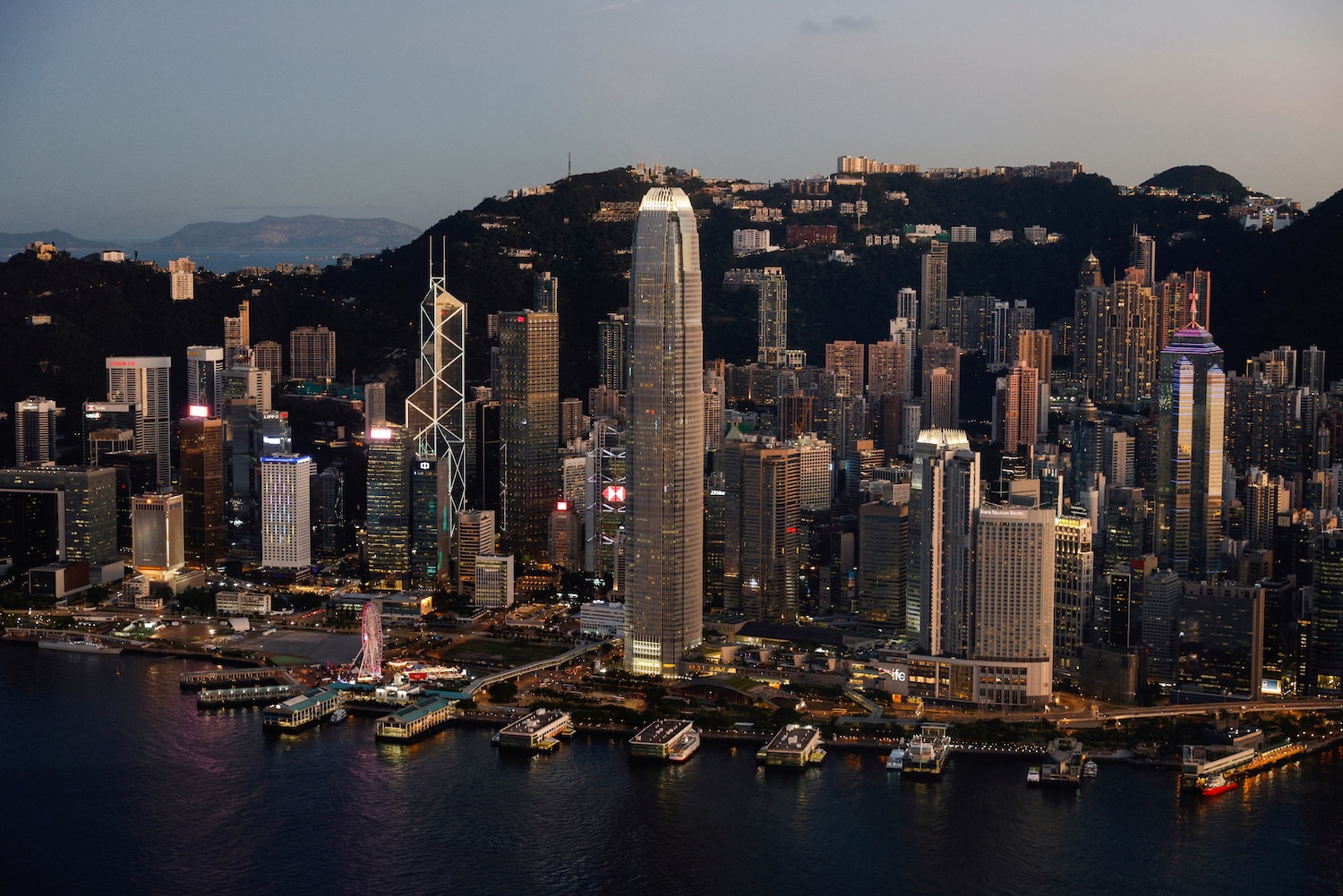
HONG KONG – A journalist for Bloomberg News has been denied a visa to continue living and working in Hong Kong, effectively expelling her from the semiautonomous Asian financial centre in another potential blow to media freedom in the territory.
Rebecca Choong Wilkins was not given a reason for her visa rejection despite having worked for Bloomberg in Hong Kong for six years, the Foreign Correspondents’ Club of Hong Kong said in a statement posted online on Friday evening.
Bloomberg News confirmed on Saturday that Choong Wilkins, a British national, had been denied a new visa, but it provided no additional details. The news organisation has dozens of employees in Hong Kong because of its significance as a financial hub and its proximity to mainland China.
“Rebecca Choong Wilkins is a valued and highly respected member of our newsroom,” Bloomberg News said in an emailed statement. “We cannot comment on the specifics of her situation, but we fully support Rebecca and we will continue to work through the appropriate avenues to try to resolve the matter.”
In a post on the social media platform X on Saturday, Choong Wilkins said she was “very sad to be leaving my colleagues, friends and the place I’ve called home”. She added that she was eight months pregnant and on maternity leave.
The Foreign Correspondents’ Club said it was “deeply concerned” about the visa denial and said the lack of an explanation would only reinforce “widespread concerns about the erosion of press freedom in Hong Kong”, which is protected by the territory’s laws.
The Hong Kong government did not immediately respond to a request for comment on Saturday.
Choong Wilkins covers a range of economic and political news about China and Hong Kong. In April, she wrote about a British lawmaker being barred from entering the territory. Last November, she wrote about how a Chinese dissident in Canada monitoring protests in China provided investors with clues about the Chinese economy.
Hong Kong was long a bastion of international news media covering Asia, even in the years after the former British colony was returned to China in 1997. Conditions gradually changed, however, as Beijing moved to stifle dissent and calls for democracy in the city of more than 7 million people.
In 2018, Hong Kong rejected the visa renewal of a senior editor for The Financial Times. The government also did not provide an explanation for that decision, but it was widely seen as related to a talk he had hosted that featured an activist whom authorities described as an advocate of separatism.
Critics of the crackdown say the territory’s openness for press freedom, and its standing as an international city, diminished significantly following the introduction of a national security law in 2020, which was championed by Beijing to bring an end to anti-government protests.
The New York Times relocated its Hong Kong-based digital news operation to Seoul, South Korea, that year because of the uncertainty surrounding press freedom and because some Times employees faced challenges securing work permits.
Last September, Louise Delmotte, a French photojournalist working for The Associated Press, was denied entry into Hong Kong. She was known for taking photographs of imprisoned pro-democracy media tycoon Jimmy Lai from outside his detention facility. In April 2024, Hong Kong barred entry to a representative of Reporters Without Borders.
Several local independent media organisations that reported critically on the government have shuttered in recent years. Some that remain in operation say they have been unreasonably subjected to tax investigations and other forms of intimidation.