The increasingly bitter legal battle between two of the leading electric air taxi developers has taken a dramatic new turn. Archer Aviation has today filed a wide-ranging counterclaim accusing rival Joby Aviation of concealing deep ties to Chinese manufacturing and misleading US authorities.
The filing, lodged in the US District Court for the Northern District of California, alleges that Joby falsely presented itself as a domestically rooted aerospace manufacturer while secretly relying on Chinese suppliers and subsidiaries for critical aircraft components.
In the filing, Archer states, “This action arises from a calculated, years-long scheme by Joby Aero, Inc. and Joby Aviation, Inc. to defraud the U.S. government, the public, and its main competitor.”
The counterclaim dramatically escalates a legal dispute that has already become one of the most high-profile clashes in the emerging electric vertical take-off and landing (eVTOL) sector.
Archer claims Joby misclassified imports while marketing its air taxi as ‘Made in America’
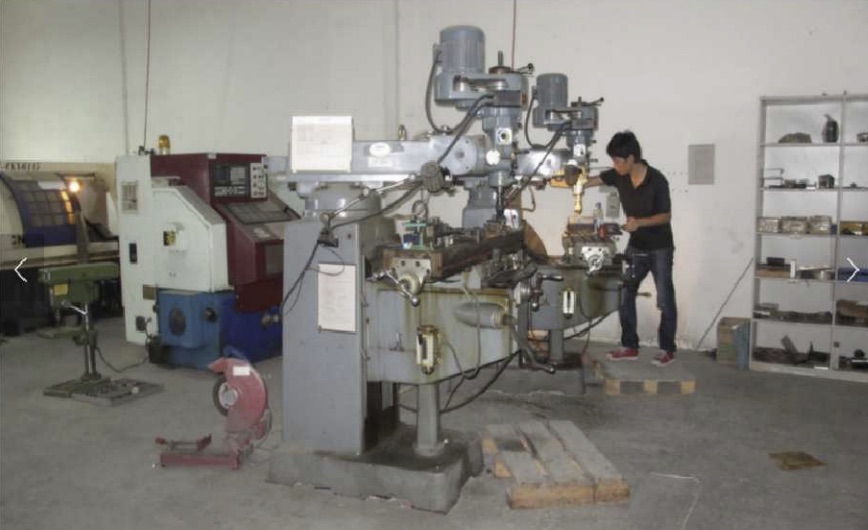
At the centre of Archer’s counterclaim are allegations that Joby imported aircraft-related components from China while misclassifying them as consumer goods.
According to the filing, shipments weighing thousands of pounds from Joby’s Chinese subsidiary were allegedly declared as items such as “hair clips”, “napkins”, “socks” and “photo albums”.
“Joby has falsely presented itself as a domestically rooted, American-made, fully vertically integrated aviation company while covertly relying on its Chinese manufacturing subsidiary,” the claim reads.
Archer further alleges the approach enabled Joby to “evade U.S. tariffs, distort competition, improperly secure government contracts and strategic partnerships, and circumvent national-security oversight.”
The counterclaim further argues that Joby secured at least $131 million in US Air Force contracts while marketing its aircraft as committed to American innovation, raising what Archer describes as national security concerns if Chinese supply chain dependencies were not fully disclosed.
Archer alleges Joby secured “hundreds of millions of dollars in funding from the United States government” while promoting its aircraft as “Committed to American Innovation.”
Archer contends Joby’s public narrative as a U.S. manufacturer is “a deliberate façade designed to obscure its deep dependence on Chinese supply chains,” and is seeking damages and a court order preventing what it describes as unfair competitive practices.
| Date | Supplier | Product description | HS code description | Weight | Country of origin |
|---|---|---|---|---|---|
| 19 Dec 2025 | Wuxi Jianxing Yongren E Commerce Co | Aluminium honeycomb panel | N/A | 278 kg | China |
| 1 Oct 2025 | Turv Rheinland China Ltd | Joby charger handle | Arms and ammunition parts and accessories | 104 kg | China |
| 9 Sep 2025 | Shenzhen Infypower Co Ltd | Charger module | Nuclear reactors, boilers, machinery parts | 1,031 kg | China |
| 2 Sep 2025 | Taizhou Dehua Technology Co Ltd | Floating dock/leasing deck | Ships, boats and floating structures | 9,790 kg | China |
| 10 Aug 2025 | Joby Metal Shenzhen Co Ltd | Napkin | Toilet or facial tissue stock | 2,549 lb (1,156 kg) | China |
| 15 Jul 2025 | Joby Metal Shenzhen Co Ltd | Socks | Hosiery products | 10,849 lb (4,921 kg) | China |
| 27 Mar 2024 | Joby Metal Shenzhen Co Ltd | Mould | Injection or compression moulds | 2,965 lb (1,345 kg) | China |
| 2 Jan 2024 | Joby Metal Shenzhen Co Ltd | Hair clip | Essential oils and cosmetic preparations | 6,131 lb (2,784 kg) | China |
| 15 Nov 2023 | Joby Metal Shenzhen Co Ltd | Aisi stainless aluminium sheet | Flat-rolled aluminium products | 6,634 lb (3,009 kg) | China |
| 13 Nov 2022 | Joby Metal Shenzhen Co Ltd | Bed canopy | Bed linen/household textile items | 5,335 lb (2,420 kg) | China |
| 26 Jan 2022 | Joby Metal Shenzhen Co Ltd | Photo album | Printed books and similar articles | 5,666 lb (2,570 kg) | China |
| 2 May 2021 | Joby Metal Shenzhen Co Ltd | Battery explosion-proof tester | Optical and precision instruments | 5,952 lb (2,700 kg) | China |
Source: Archer Aviation counterclaim filed in the US District Court for the Northern District of California.
Joby originally sued Archer over the alleged theft of eVTOL aircraft technology
The new filing comes in response to an earlier lawsuit brought by Joby against Archer.
Joby previously accused Archer of misappropriating trade secrets related to electric aircraft technology, alleging that former Joby engineers downloaded confidential files before joining the rival startup.
The original complaint argued that proprietary information covering aircraft design, manufacturing techniques and testing data was taken and used to accelerate Archer’s development programme.
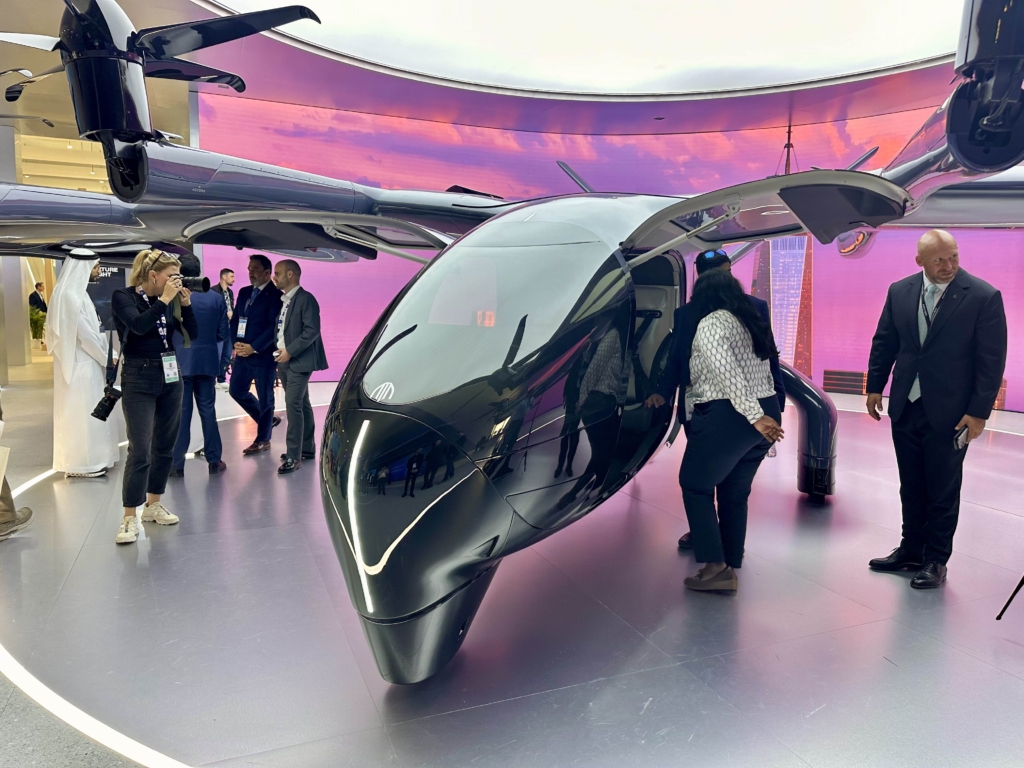
Archer has consistently denied those allegations and says its aircraft was independently developed.
The counterclaim represents a significant escalation in the dispute, shifting the argument beyond intellectual property and into supply chain transparency and government contracting.
Archer is also suing Vertical Aerospace over air taxi design similarities
The legal battle with Joby is not Archer’s only dispute in the sector.
Archer is also pursuing legal action against UK-based eVTOL developer Vertical Aerospace, claiming that elements of Vertical’s aircraft design infringe its own intellectual property.
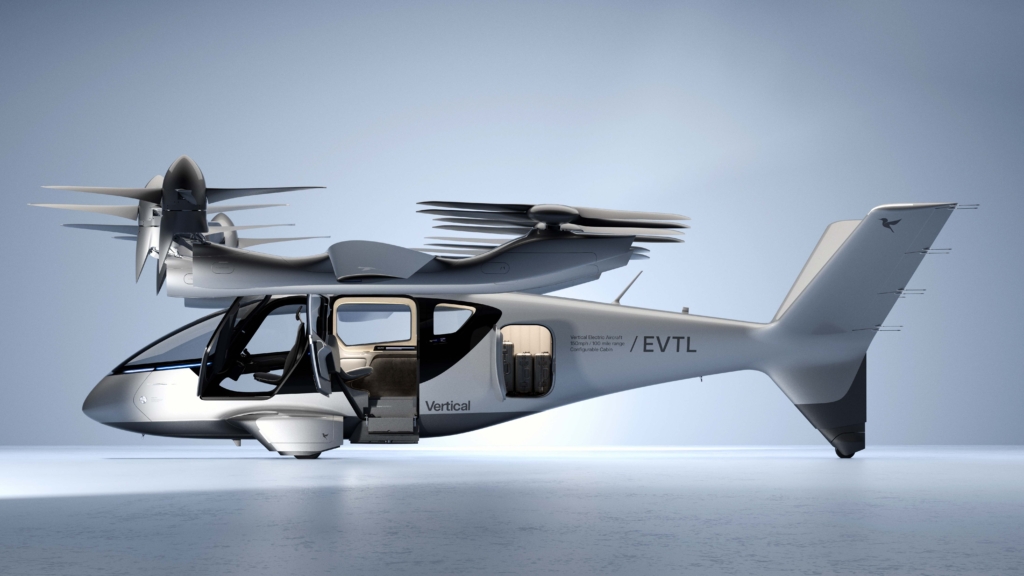
The disagreement centres on similarities between Vertical’s Valo aircraft and Archer’s Midnight aircraft, including the configuration of propellers and overall aircraft architecture.
Vertical Aerospace has rejected the claims, arguing that similar designs are common across the industry due to aerodynamic and engineering constraints.
Why legal battles are becoming common in the eVTOL air taxi industry
The growing number of lawsuits highlights just how intense the competition has become in the emerging eVTOL sector.
Companies including Joby, Archer and Vertical Aerospace are all racing toward the same goal: securing regulatory certification and launching the world’s first viable commercial air taxi services. Being first could bring enormous advantages, from investor confidence to early partnerships with cities, airlines and defence organisations.
Billions of dollars are already flowing into the sector, and governments and militaries are watching closely as electric vertical take-off aircraft are explored for everything from urban mobility to defence and surveillance.

But the legal battles now playing out between some of the industry’s biggest players also raise an obvious question: shouldn’t these companies be focusing their resources on engineering and certification rather than courtrooms?
In reality, the lawsuits reflect how much is at stake. Intellectual property, supply chains and government contracts could ultimately determine which companies dominate the market.
For startups chasing a potentially trillion-dollar industry, legal strategy has become part of the competitive playbook. Still, as the disputes between Joby, Archer and Vertical show, the race to build the future of air taxis is increasingly being fought not just in test flights and engineering labs, but in court as well.
Featured image: Archer Aviation

