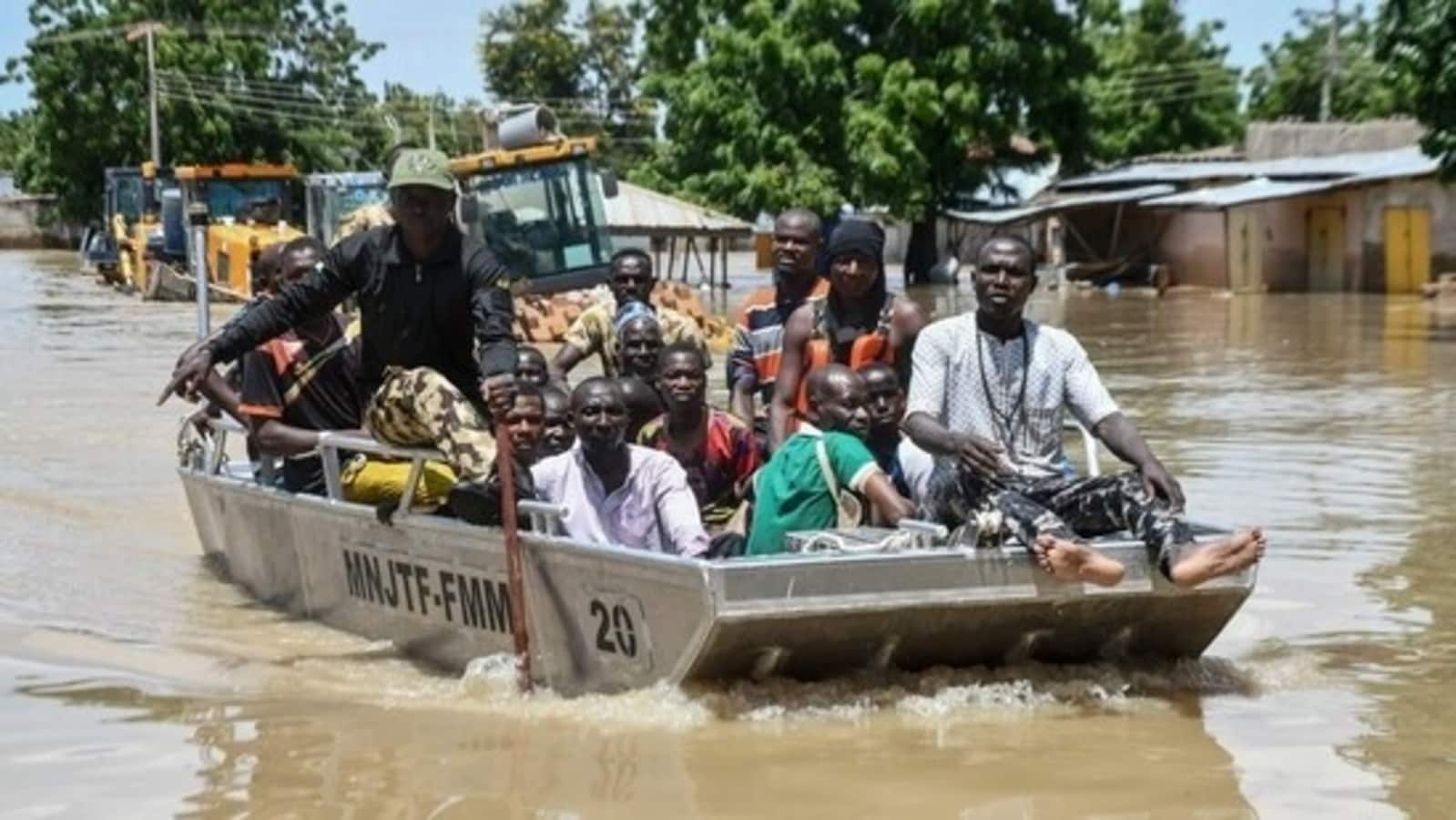
The derailing of a funicular in Lisbon, Portugal’s capital, which killed 16 people on September 3rd, sparked days of news coverage in Western countries. A ferry accident in northern Nigeria, in which at least 60 people died a day earlier, received less attention.
Part of the reason was probably that the event was depressingly routine. In 2024 more than 2,000 people died in ferry accidents, says Neil Baird, a ferry-safety expert who maintains a tally. That may seem few against the huge number killed each year in wars, by diseases or in road accidents. Yet nearly three-quarters of the deaths occurred in just three African countries, making the continent an outlier in a world where ferries have been becoming less deadly.
Using boats where roads cannot reach could be a safe way to travel, says Mr Baird, particularly in countries like Congo and Nigeria that have extensive waterways. In rich countries, strict safety regulations mean there is just one death for every 100m passengers. Some poorer countries have also raised their game. Over the past decade, fewer than 500 people died in ferry accidents in the Philippines, compared with more than 1,600 during the previous decade and 4,385 in a single incident in 1987.
But most African ferries are still overloaded, badly maintained and lacking life-saving equipment. Interferry, an industry body, has been working with African regulators and ferry operators to improve things. The biggest obstacle is a lack of resources, says Mike Corrigan, Interferry’s boss.
It is not all doom and gloom. On Lake Tanganyika a ferry safely transported passengers and cargoes of dried fish and pineapples between Tanzania and Zambia for a century before being sent for repairs last summer. Navigation aids along channels and banks, better maintenance and free life-jackets have helped the Lagos State Waterways Authority in Nigeria, among the most dangerous countries for ferry passengers, to make ferries safer on the cheap. If such practices spread, taking a boat in Africa may soon be more enjoyable than hazardous.
Sign up to the Analysing Africa, a weekly newsletter that keeps you in the loop about the world’s youngest—and least understood—continent.

All Access.
One Subscription.
Get 360° coverage—from daily headlines
to 100 year archives.

E-Paper

Full Archives

Full Access to
HT App & Website

Games
Already subscribed? Login

