Quick overview
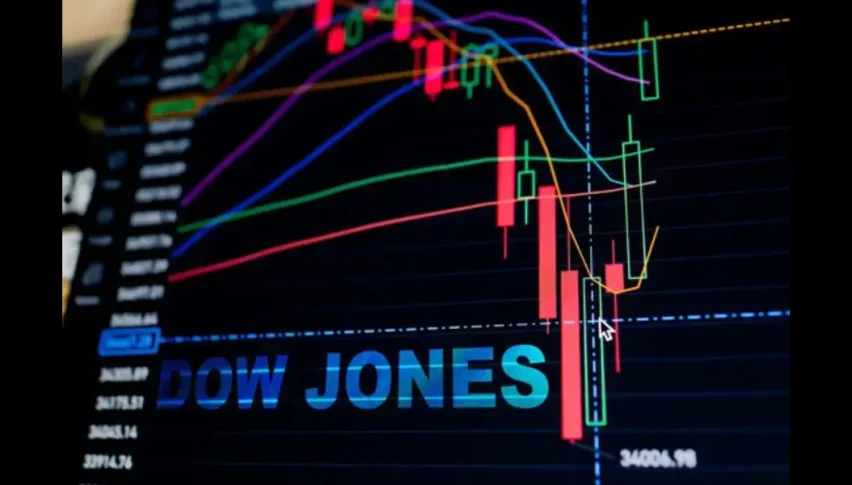
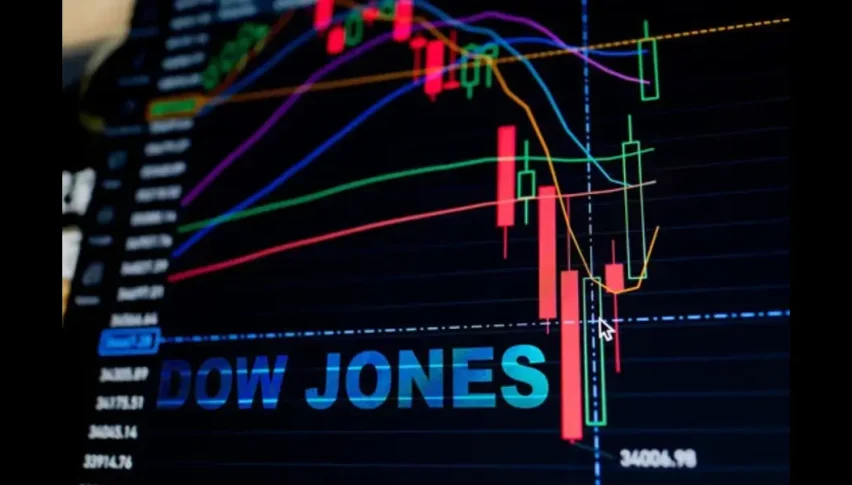
- Dow Jones Industrial Average futures are slightly lower, reflecting a cautious sentiment across Wall Street markets.
- Rising bond yields are impacting investor sentiment, with close attention on economic data for insights into Federal Reserve policy.
- Global geopolitical developments and trade discussions are limiting aggressive risk-taking among investors.
- The market is consolidating near key support levels, with upcoming economic releases likely influencing short-term direction.
Dow Jones Industrial Average futures are trading slightly lower, with a cautious tone across broader Wall Street markets. Dow futures are trading around 51,800, depending on the specific contract month, down roughly 0.15% to 0.30%.
Market Sentiment: Neutral-to-cautious, pressured by macroeconomic crosscurrents, fluctuating Treasury yields, and global geopolitical headlines.
Interest Rate & Yield Pressure: Rising bond yields continue to weigh on investor sentiment, with markets closely watching economic data for clues on Federal Reserve monetary policy and potential interest rate adjustments.
Macro & Geopolitical Focus: Ongoing international dialogues (such as high-profile diplomatic summits) and global trade developments are keeping a lid on aggressive risk-taking.
Sector Rotation: While tech-heavy indices like the Nasdaq face direct pressures from shifting yield environments, blue-chip components in the Dow are experiencing mixed performance as traders balance defensive positioning against growth plays.
Outlook
The market is consolidating near key support and demand zones. Short-term direction will likely depend on upcoming macroeconomic releases, corporate updates, and shifts in bond market volatility. The 10-year Treasury yield recently surged to multi-year highs (crossing 5.1%), intensifying the pressure on equities and driving up expectations for a more aggressive or prolonged Federal Reserve tightening cycle
Sector Dynamics: While cyclical and value components within the Dow offer some cushioning compared to high-growth tech sectors, rising energy prices and persistent inflation anxiety are forcing traders into a more defensive posture.

Olumide Adesina
Financial Market Writer
Olumide Adesina is a French-born Nigerian financial writer. He tracks the financial markets with over 20 years of working experience in investment trading