Published on
July 18, 2026

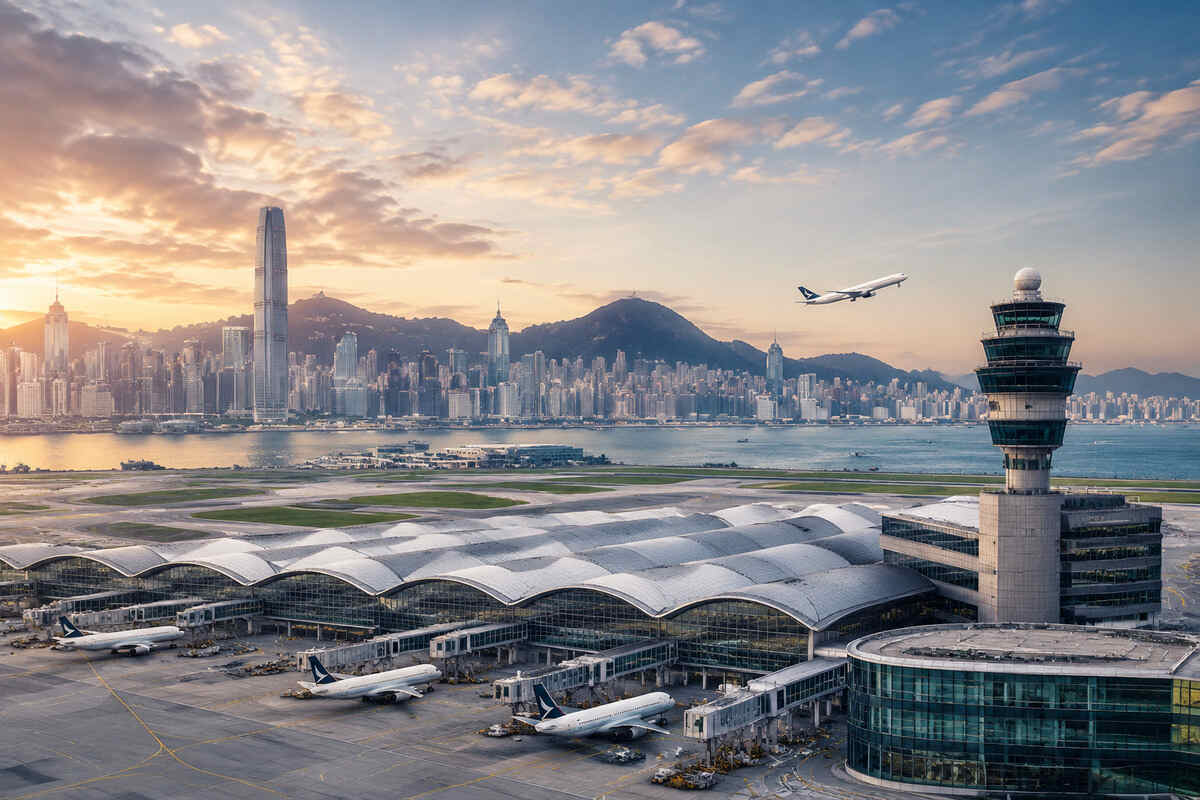
Image generated with Ai
Hong Kong is accelerating its transformation into a leading global tourism and aviation gateway for China after attracting 26.7 million visitors, while a US$14.5 billion airport expansion strengthens its ability to compete with major international hubs including Singapore Changi, Dubai International and other regional aviation centres. The large-scale infrastructure project aims to increase passenger capacity, modernise facilities and reinforce Hong Kong International Airport’s strategic role in connecting mainland China with global markets.
The city’s tourism recovery gained further momentum after visitor numbers during the first half of the year increased by 13% compared with the same period a year earlier, positioning Hong Kong as the world’s second most visited city for international arrivals after Bangkok. The surge reflects renewed global demand for Hong Kong’s unique mix of modern attractions, cultural heritage, luxury shopping, culinary experiences, entertainment and enhanced connectivity.
With rising international travel demand, Hong Kong is combining tourism growth with aviation investment to strengthen its global appeal. The visitor rebound and airport expansion underline the city’s strategy to secure a larger role in international tourism, business travel and global air connectivity while reinforcing its status as a vital gateway between China and the world.
Hong Kong Strengthens Aviation Position With US$14.5 Billion Airport Expansion
A major step in Hong Kong’s tourism and aviation development came in May when Hong Kong International Airport opened its second passenger terminal as part of a massive US$14.5 billion expansion project.
Advertisement
Advertisement
The expansion is designed to increase airport capacity, improve passenger experience and strengthen Hong Kong’s role as a major international aviation hub. The investment comes as the city aims to compete more strongly with leading global airports, including Singapore Changi Airport and Dubai International Airport.
The upgraded airport facilities are expected to support rising passenger demand as international tourism continues to recover. By expanding its infrastructure, Hong Kong is positioning itself as a key gateway connecting Asia with global markets.
Advertisement
Advertisement
New Terminal 2 Welcomes International Airlines and Low-Cost Carriers
Hong Kong International Airport’s new Terminal 2 has become an important part of the city’s aviation growth strategy. The terminal currently serves 15 airlines, with most being low-cost carriers that connect Hong Kong with major regional markets.
Airlines operating from Terminal 2 include AirAsia, IndiGo, Bangkok Airways, Cebu Pacific, Hainan Airlines and Cambodia Airways. The presence of these carriers is expected to increase travel options for international visitors while supporting affordable air connectivity across Asia.
Advertisement
Advertisement
The expansion of airline partnerships also strengthens Hong Kong’s position as a competitive regional aviation centre. More connections through low-cost carriers can help attract a wider range of travellers, including leisure tourists, business visitors and younger international travellers looking for convenient access to the city.
Tourism Revival Driven by Culture, Dining and New Experiences
Beyond aviation growth, Hong Kong is attracting visitors through its diverse tourism offerings. The city has invested in revitalising neighbourhoods, expanding cultural experiences and promoting its internationally recognised dining and nightlife scenes.
Hong Kong continues to stand out as a destination where traditional heritage meets modern urban life. Travellers can experience historic districts, contemporary art spaces, luxury shopping areas, local markets, entertainment venues and a globally recognised food culture.
The city’s world-class cultural institutions have also become major attractions for international visitors. Museums, creative districts and large-scale cultural events are helping Hong Kong develop a stronger identity as more than just a business and financial centre.
Advertisement
Advertisement
Hong Kong Emerges as a Leading Asian Destination
The combination of improved airport infrastructure, increased airline connectivity and renewed tourism campaigns is helping Hong Kong regain momentum in the global travel market.
With 26.7 million visitors recorded in the first half of the year, the city is demonstrating strong recovery and continued international appeal. The 13% year-on-year increase shows that travellers are returning to Hong Kong for its unique mix of culture, entertainment, food, shopping and urban experiences.
As competition among Asian tourism destinations becomes stronger, Hong Kong’s investments in aviation, hospitality and visitor experiences are supporting its ambition to remain one of the world’s most attractive international destinations.
Hong Kong is strengthening its position as China’s leading tourism gateway after welcoming 26.7 million visitors, while a US$14.5 billion airport expansion boosts capacity and competitiveness against Singapore Changi, Dubai International and other global aviation hubs.
Hong Kong’s rise as a global tourism and aviation powerhouse is being reinforced by the combination of 26.7 million visitor arrivals and the ambitious US$14.5 billion airport expansion. As international travel demand continues to recover, the city is upgrading its aviation infrastructure to improve connectivity, increase capacity and strengthen its position among the world’s leading travel hubs. With Hong Kong International Airport serving as a critical link between mainland China and global markets, the investment reflects a long-term strategy to compete with major aviation gateways such as Singapore Changi and Dubai International. By blending world-class infrastructure, diverse visitor experiences and strategic connectivity, Hong Kong is positioning itself for a stronger future in global tourism, business travel and international aviation.
Advertisement
Advertisement