Published on
July 15, 2026
By: Pritam Nath

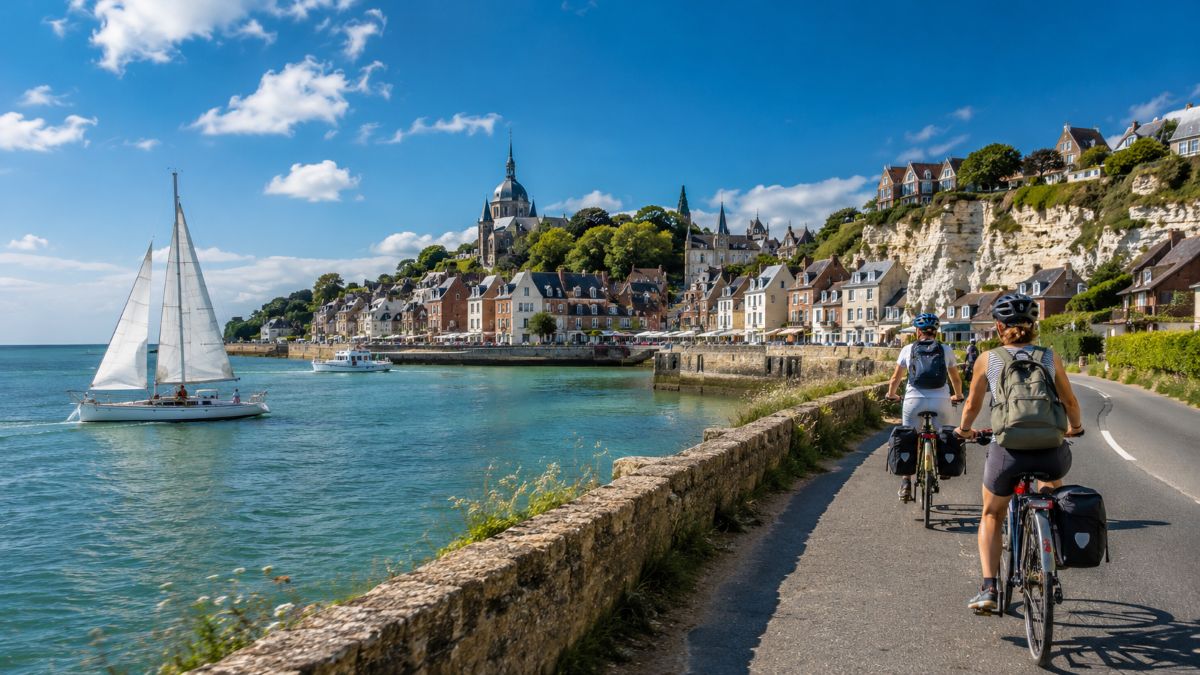
Image generated with Ai
Northern France is emerging as one of Europe’s most compelling destinations for environmentally conscious travelers seeking authentic coastal experiences beyond traditional tourism routes. As demand for low-impact holidays continues to grow across Europe, the regions of Pas-de-Calais and Hauts-de-France are increasingly attracting visitors interested in combining sailing, cycling, nature exploration, and cultural heritage into a single seamless journey. The growing emphasis on sustainable transport and outdoor recreation is strengthening tourism links between France, the United Kingdom, Belgium, and the Netherlands while encouraging travelers to reduce their environmental footprint without compromising memorable experiences.
The evolution of cross-Channel tourism reflects broader shifts in European travel preferences. Instead of focusing solely on speed and convenience, more visitors are prioritizing slower, immersive journeys that highlight local communities, regional cuisine, protected natural landscapes, and active outdoor adventures. This transformation supports regional economies, encourages responsible tourism practices, and aligns with Europe’s long-term sustainability objectives. Northern France is benefiting from this momentum by positioning its coastline, waterways, cycling routes, wetlands, and historic maritime heritage as key attractions for domestic and international visitors alike.
Northern France Strengthens Sustainable Tourism Across Northwestern Europe
The tourism relationship between France, the United Kingdom, Belgium, and the Netherlands continues to deepen through shared commitments to environmentally responsible travel. Improved cross-border accessibility, integrated cycling networks, maritime experiences, and conservation-focused tourism products are creating new opportunities for visitors seeking authentic European journeys.
Rather than concentrating tourism exclusively in major cities, regional destinations are encouraging travelers to discover smaller coastal communities, protected landscapes, and cultural heritage sites that offer meaningful experiences while distributing visitor spending more evenly.
Advertisement
Advertisement
| Tourism Driver | Regional Benefit |
|---|---|
| Sustainable transport | Lower carbon emissions |
| Coastal tourism | Longer visitor stays |
| Cycling infrastructure | Increased regional exploration |
| Nature conservation | Protection of biodiversity |
| Heritage tourism | Economic support for local communities |
Sustainable Maritime Travel Creates New Opportunities
Sustainable maritime transport is becoming an increasingly important component of European tourism. Travelers are showing greater interest in journeys that reduce emissions while offering unique travel experiences.
Modern sailing-based passenger services, smaller vessels, and environmentally conscious maritime operations provide an attractive alternative for leisure travelers looking to experience the English Channel differently. These experiences allow visitors to appreciate coastal landscapes while supporting broader sustainability initiatives promoted throughout Europe.
Advertisement
Advertisement
For regional tourism authorities, maritime tourism represents more than transportation—it becomes part of the overall visitor experience, combining recreation, environmental awareness, and cultural discovery.
Cycling Tourism Continues to Expand Across Northern France
Cycling has become one of Europe’s fastest-growing tourism sectors, with travelers increasingly choosing multi-day cycling holidays over traditional sightseeing itineraries.
Northern France offers extensive cycling infrastructure connecting coastal towns, countryside villages, forests, wetlands, and cultural landmarks. Well-maintained routes encourage visitors to travel at a slower pace while engaging directly with local businesses, cafés, accommodations, and attractions.
| Cycling Tourism Advantages | Visitor Experience |
|---|---|
| Scenic coastal routes | Panoramic landscapes |
| Rural connections | Authentic village experiences |
| Dedicated cycling paths | Safe recreational travel |
| Local food stops | Regional gastronomy |
| Cultural landmarks | Heritage exploration |
The continued investment in cycling infrastructure supports both tourism growth and sustainable mobility goals while appealing to travelers seeking healthier and environmentally responsible holidays.
Coastal Destinations Benefit from Diversified Tourism
France’s northern coastline offers a diverse tourism portfolio that extends beyond traditional beach holidays. Historic ports, maritime museums, seafood traditions, nature reserves, dramatic cliffs, and seaside architecture contribute to year-round visitor appeal.
Regional tourism strategies increasingly emphasize experiences rather than attractions alone. Travelers are encouraged to engage with local culture through walking tours, seafood markets, artisanal businesses, and outdoor recreation.
Advertisement
Advertisement
Diversification also helps reduce seasonal fluctuations, supporting local economies throughout the year while creating employment opportunities across hospitality, transportation, and tourism services.
Wetland Conservation Supports Eco-Tourism Growth
Protected wetlands and freshwater ecosystems are becoming valuable tourism assets as interest in nature-based travel continues to rise.
Birdwatching, kayaking, guided ecological tours, photography, and educational experiences attract environmentally conscious visitors seeking quieter destinations away from crowded urban centers.
Responsible visitor management plays an important role in balancing conservation objectives with tourism development.
| Eco-Tourism Activity | Sustainability Benefit |
|---|---|
| Kayaking | Minimal environmental impact |
| Wildlife observation | Supports conservation awareness |
| Nature photography | Promotes responsible visitation |
| Guided eco-tours | Environmental education |
| Walking trails | Controlled visitor access |
Such initiatives reinforce France’s commitment to preserving biodiversity while generating sustainable economic opportunities for surrounding communities.
Local Communities Drive Authentic Visitor Experiences
Community-based tourism is increasingly shaping visitor expectations across Europe.
Advertisement
Advertisement
Independent accommodations, family-owned restaurants, local artisans, regional markets, and cultural festivals provide travelers with authentic interactions that distinguish northern France from more commercialized destinations.
These experiences strengthen local economies while preserving regional traditions and encouraging responsible tourism practices.
Visitors increasingly value personal connections, local storytelling, and genuine cultural exchanges over standardized travel products.
Culinary Tourism Enhances Regional Identity
Food continues to play a central role in destination marketing throughout France.
Northern France showcases fresh seafood, locally produced cheeses, artisanal bread, seasonal produce, and regional specialties that reflect centuries of culinary heritage.
Food tourism encourages visitors to spend additional time exploring local markets, waterfront restaurants, rural cafés, and farm-based experiences.
Advertisement
Advertisement
The integration of gastronomy into broader tourism strategies strengthens destination competitiveness while supporting agricultural producers and small businesses.
Infrastructure Investments Improve Regional Accessibility
Tourism growth depends heavily on accessible infrastructure.
Northern France continues benefiting from multimodal transport connections that integrate rail services, ferry terminals, cycling routes, highways, and regional public transportation.
Cross-border cooperation with neighboring countries supports seamless visitor mobility while encouraging multi-destination itineraries across Northwestern Europe.
Improved infrastructure also contributes to economic resilience by expanding tourism opportunities beyond traditional gateways.
| Infrastructure Focus | Tourism Impact |
|---|---|
| Rail connectivity | Easier regional access |
| Ferry services | Cross-border travel |
| Cycling infrastructure | Sustainable mobility |
| Visitor information | Enhanced travel planning |
| Digital tourism services | Better visitor experiences |
Responsible Tourism Shapes Future Travel
Travelers increasingly evaluate destinations based on sustainability credentials.
Advertisement
Advertisement
Responsible tourism initiatives include reducing emissions, supporting local businesses, conserving natural resources, protecting cultural heritage, and promoting environmentally friendly transportation.
France’s northern tourism regions are responding by encouraging slower travel, nature-based experiences, responsible accommodation practices, and conservation-focused activities.
These efforts align with broader European sustainability strategies while meeting changing consumer expectations.
Outlook for European Coastal Tourism
Northern France is well positioned to benefit from continued growth in sustainable tourism across Europe. Strong partnerships with neighboring countries, investment in cycling and maritime infrastructure, protection of natural ecosystems, and authentic cultural experiences provide a competitive advantage within the evolving travel landscape.
As travelers increasingly prioritize quality over quantity, immersive experiences over rapid itineraries, and sustainability over convenience, destinations offering integrated eco-friendly travel options are expected to remain highly attractive. The continued collaboration between France, the United Kingdom, Belgium, and the Netherlands demonstrates how regional partnerships can support tourism growth while preserving the environmental and cultural assets that define Europe’s coastal regions.
Frequently Asked Questions
1. Why is Northern France becoming popular among sustainable travelers?
Advertisement
Advertisement
Northern France offers eco-friendly transport, cycling routes, protected natural areas, and authentic cultural experiences that appeal to environmentally conscious visitors.
2. Which countries are strengthening tourism connections with France?
The United Kingdom, Belgium, and the Netherlands continue to play important roles in regional tourism collaboration.
3. What makes slow travel attractive?
Slow travel encourages longer stays, deeper cultural engagement, lower environmental impact, and stronger support for local communities.
4. Why is cycling tourism growing in France?
Advertisement
Advertisement
Extensive cycling infrastructure, scenic landscapes, and safe routes make France one of Europe’s leading cycling destinations.
5. How does eco-tourism benefit local communities?
Eco-tourism creates employment, supports local businesses, encourages conservation, and distributes tourism revenue across smaller destinations.
6. What activities are popular in Northern France?
Cycling, sailing, kayaking, birdwatching, hiking, culinary experiences, heritage tourism, and coastal exploration are among the most popular activities.
7. Why are wetlands important for tourism?
Advertisement
Advertisement
Protected wetlands attract nature enthusiasts while supporting biodiversity conservation and environmental education.
8. How does sustainable transport improve tourism?
Environmentally friendly transport reduces emissions, enhances visitor experiences, and supports long-term tourism sustainability.
9. What role does local cuisine play in tourism?
Regional food strengthens destination identity, supports local producers, and enriches the overall visitor experience.
10. What is the future outlook for sustainable tourism in Northern France?
Continued investment in green mobility, regional partnerships, conservation initiatives, and authentic visitor experiences is expected to strengthen Northern France’s position as a leading sustainable travel destination in Europe.
Advertisement
Advertisement