Published on
July 13, 2026

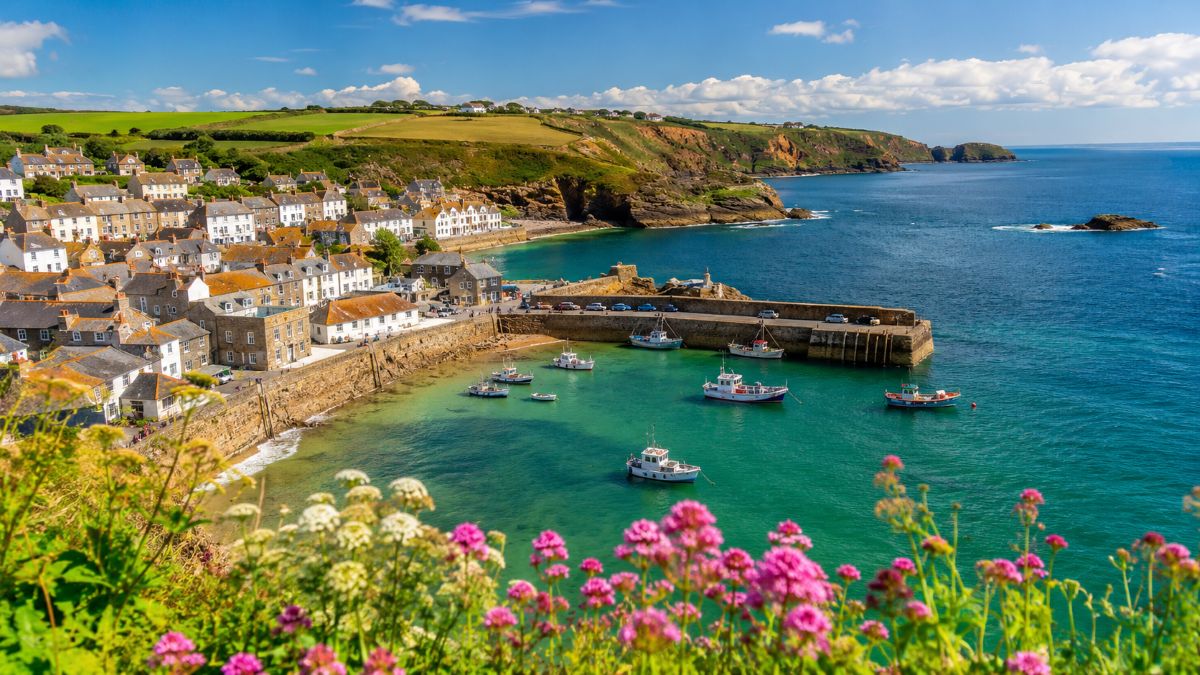
Image generated with Ai
Devon continues to reinforce the United Kingdom’s reputation as one of Europe’s leading leisure destinations by combining spectacular coastlines, historic communities, protected landscapes, and year-round tourism experiences. As travelers increasingly seek authentic regional holidays rather than crowded metropolitan breaks, the county has emerged as one of Britain’s most attractive destinations for families, couples, solo explorers, and international visitors alike. This growing interest also reflects wider travel trends seen across Ireland, France, Spain, and Italy, where regional tourism is becoming an important driver of visitor spending, local employment, and sustainable economic growth.
The county’s tourism appeal extends well beyond its famous beaches. Visitors can experience dramatic cliffs, charming fishing villages, UNESCO-recognized natural landscapes, historic castles, vibrant food culture, outdoor adventure activities, and cultural festivals throughout the year. Improved transport connectivity, expanding hospitality offerings, and a strong emphasis on environmental conservation further strengthen Devon’s position within the United Kingdom’s tourism landscape. These combined strengths continue to attract domestic travelers while encouraging overseas visitors to extend their British itineraries beyond London and other major cities.
Devon Reinforces the United Kingdom’s Regional Tourism Strategy
Regional tourism has become an increasingly important component of the UK’s visitor economy. While iconic cities remain major attractions, destinations such as Devon demonstrate how coastal counties can diversify tourism by offering immersive cultural experiences, outdoor recreation, heritage attractions, and local gastronomy.
The county benefits from a balanced tourism portfolio that appeals across multiple market segments.
| Tourism Strength | Visitor Benefit | Travel Impact |
|---|---|---|
| Extensive coastline | Beach holidays and scenic drives | Longer visitor stays |
| National parks | Hiking and wildlife | Nature tourism growth |
| Historic towns | Cultural exploration | Heritage tourism |
| Local cuisine | Food experiences | Culinary tourism |
| Family attractions | Multi-generational travel | Repeat visitation |
This diversity allows Devon to remain attractive throughout much of the year rather than relying exclusively on peak summer demand.
Spectacular Coastlines Continue to Drive Visitor Interest
One of Devon’s strongest tourism assets is its remarkable coastline stretching across both the English Channel and the Bristol Channel. Sandy beaches, dramatic cliffs, sheltered coves, and picturesque harbors provide opportunities for swimming, surfing, kayaking, sailing, paddleboarding, and coastal walking.
Advertisement
Advertisement
The county attracts both experienced outdoor enthusiasts and travelers seeking relaxing seaside escapes. Numerous coastal communities blend traditional maritime heritage with modern hospitality, creating destinations that balance authenticity with visitor comfort.
Marine tourism also supports local businesses ranging from accommodation providers to restaurants, boat operators, retail shops, and guided excursion companies.
| Coastal Experience | Popular Activities |
|---|---|
| Sandy beaches | Swimming, family holidays |
| Rugged cliffs | Scenic photography |
| Coastal trails | Walking and hiking |
| Harbors | Boat trips and seafood dining |
| Surf locations | Watersports |
National Parks Showcase Devon’s Natural Beauty
Nature tourism continues to grow globally, and Devon benefits from access to two internationally recognized protected landscapes.
Dartmoor National Park offers granite tors, open moorland, ancient woodlands, rivers, and archaeological sites that appeal to hikers, cyclists, photographers, and history enthusiasts. Exmoor National Park provides equally impressive scenery with rolling hills, deep valleys, coastal viewpoints, and rich biodiversity.
These landscapes encourage slow travel while supporting conservation-focused tourism that benefits local communities without overwhelming sensitive environments.
| National Park | Key Attractions |
|---|---|
| Dartmoor | Granite tors, hiking, archaeology |
| Exmoor | Wildlife, valleys, coastal scenery |
The popularity of nature-based tourism continues to align with broader global travel preferences emphasizing wellness, sustainability, and outdoor experiences.
Advertisement
Advertisement
Historic Towns Preserve Britain’s Cultural Heritage
Devon’s appeal extends beyond natural scenery through its collection of historic towns and villages that reflect centuries of British history.
Visitors encounter medieval architecture, traditional markets, ancient churches, historic harbors, museums, and preserved streetscapes that illustrate the county’s evolution from maritime trade to modern tourism.
These destinations encourage travelers to spend additional nights exploring regional culture rather than limiting visits to major urban centers.
Historic attractions also support educational tourism by connecting visitors with Britain’s cultural and architectural heritage.
| Heritage Experience | Tourism Value |
|---|---|
| Historic streets | Cultural immersion |
| Museums | Educational travel |
| Heritage buildings | Architectural tourism |
| Traditional markets | Local commerce |
Culinary Tourism Adds New Reasons to Visit
Food tourism has become one of Devon’s fastest-growing travel segments.
Fresh seafood, locally produced dairy products, artisan cheeses, seasonal vegetables, regional beverages, traditional bakeries, and farm-to-table restaurants allow visitors to experience authentic local flavors throughout the county.
Advertisement
Advertisement
Farm shops, vineyards, farmers’ markets, food festivals, and independent restaurants further strengthen Devon’s culinary identity.
Many travelers now select destinations based not only on sightseeing opportunities but also on memorable dining experiences that showcase regional products.
| Culinary Attraction | Visitor Appeal |
|---|---|
| Seafood | Coastal dining |
| Farm produce | Authentic local cuisine |
| Artisan bakeries | Traditional specialties |
| Food festivals | Seasonal tourism |
| Local beverages | Regional tasting experiences |
Outdoor Adventure Supports Active Tourism
Adventure travel continues expanding across Europe, and Devon offers a broad selection of recreational opportunities suitable for different skill levels.
Walking, cycling, horse riding, climbing, canoeing, surfing, sailing, mountain biking, wildlife observation, and camping provide year-round options for active travelers.
This variety enables visitors to combine relaxation with adventure while extending their length of stay.
Outdoor tourism also distributes visitor activity across different parts of the county, supporting smaller communities and independent tourism businesses.
Advertisement
Advertisement
| Adventure Activity | Travel Segment |
|---|---|
| Surfing | Coastal tourism |
| Hiking | Nature travelers |
| Cycling | Active holidays |
| Sailing | Marine recreation |
| Wildlife watching | Eco-tourism |
Sustainable Tourism Strengthens Long-Term Growth
Sustainability has become a defining factor for modern tourism development.
Across Devon, conservation initiatives, responsible visitor management, local sourcing, environmental protection, and support for independent businesses contribute to a tourism model that balances economic opportunity with environmental stewardship.
Accommodation providers increasingly adopt sustainable practices, while many attractions encourage visitors to respect protected landscapes and reduce environmental impacts.
This approach reflects broader European tourism strategies aimed at protecting natural and cultural assets for future generations.
| Sustainability Focus | Benefit |
|---|---|
| Conservation | Landscape protection |
| Local sourcing | Community support |
| Responsible travel | Reduced environmental impact |
| Heritage preservation | Cultural continuity |
Improved Accessibility Expands Visitor Markets
Transport improvements continue to enhance regional tourism throughout southwest England.
Road connections, rail services, regional airports, and local transport networks help domestic and international visitors reach Devon more conveniently than ever before.
Advertisement
Advertisement
Digital travel planning tools, online accommodation platforms, and destination marketing campaigns further simplify trip planning, encouraging longer holidays that combine multiple regions across the United Kingdom.
Better accessibility also benefits business events, educational travel, and international touring itineraries.
| Transport Advantage | Tourism Outcome |
|---|---|
| Rail connectivity | Easier domestic travel |
| Road network | Flexible itineraries |
| Regional airports | International access |
| Digital planning | Improved visitor experience |
Why Devon Matters for the Future of UK Tourism
The United Kingdom increasingly recognizes that successful tourism growth depends upon promoting outstanding regional destinations alongside internationally famous cities.
Devon illustrates how natural beauty, heritage preservation, sustainable tourism, culinary excellence, and outdoor recreation can collectively strengthen national tourism competitiveness.
Its balanced tourism model supports employment, protects landscapes, encourages longer visitor stays, and distributes tourism revenue across urban and rural communities. As travelers increasingly prioritize authentic experiences, scenic environments, and meaningful cultural connections, Devon is well positioned to remain one of Britain’s leading regional destinations while contributing to the wider growth of the UK’s visitor economy.
Frequently Asked Questions
1. Why is Devon considered one of the United Kingdom’s leading travel destinations?
Devon offers a combination of beaches, national parks, historic towns, outdoor activities, and regional cuisine, making it attractive to a wide range of travelers.
Advertisement
Advertisement
2. What makes Devon popular for family holidays?
Its safe beaches, outdoor attractions, nature experiences, and family-friendly accommodations appeal to visitors of all ages.
3. Which national parks are located in Devon?
Dartmoor National Park and part of Exmoor National Park are located within the county.
4. Is Devon suitable for outdoor adventure tourism?
Yes. Visitors can enjoy hiking, cycling, surfing, sailing, kayaking, wildlife watching, and many other outdoor activities.
5. Why is culinary tourism growing in Devon?
Fresh local seafood, farm produce, artisan food businesses, and regional specialties have strengthened its reputation as a food destination.
6. How does Devon support sustainable tourism?
The county promotes conservation, supports local businesses, encourages responsible travel, and protects natural landscapes and heritage sites.
7. When is the best time to visit Devon?
Spring, summer, and early autumn are especially popular, although many attractions remain appealing throughout the year.
Advertisement
Advertisement
8. How does Devon contribute to the UK’s tourism economy?
Tourism supports employment, hospitality, transportation, retail businesses, cultural attractions, and rural communities across the county.
9. Why are international visitors increasingly exploring regional destinations like Devon?
Many travelers seek authentic local experiences, scenic landscapes, slower-paced holidays, and cultural heritage beyond major cities.
10. What trends are shaping Devon’s future tourism growth?
Nature tourism, sustainable travel, culinary experiences, heritage exploration, outdoor recreation, and longer regional itineraries are expected to continue driving visitor demand.
Advertisement
Advertisement