Published on
July 12, 2026
By: Angana Dutta

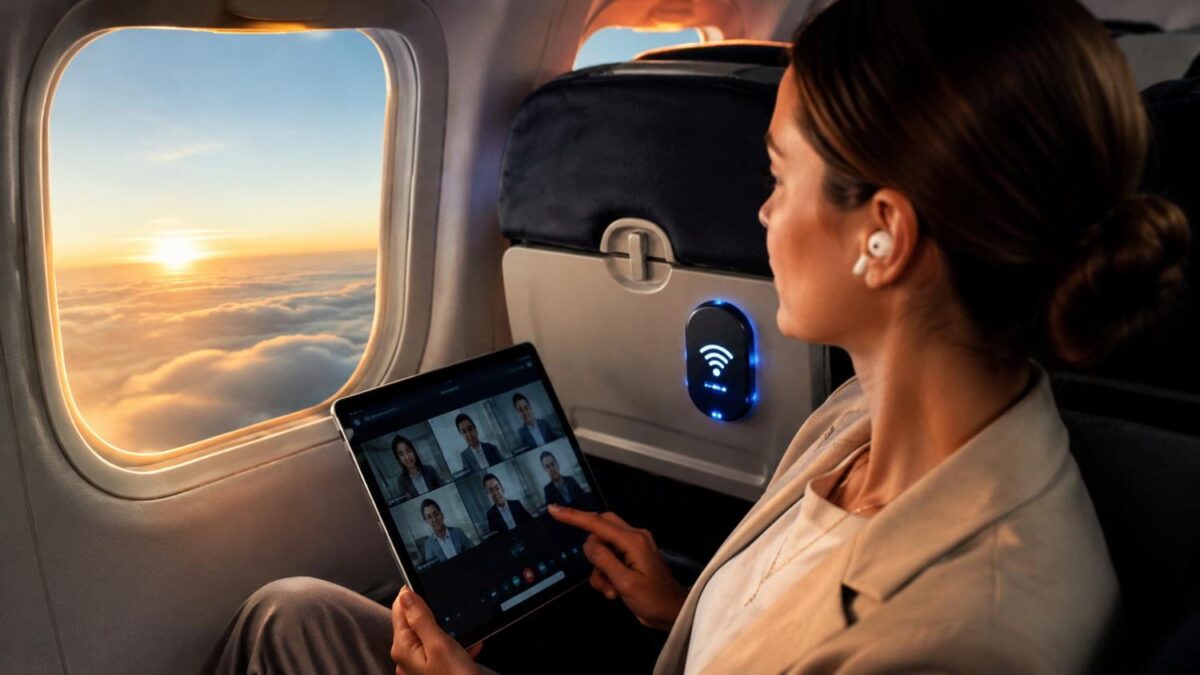
Image generated with Ai
Starlink-powered free Wi-Fi flights have entered a major new phase following the United States’ expansion of next-generation satellite connectivity for air travel to markets such as Hawaii, Japan, South Korea, the United Kingdom, and Italy. This new phase has been built with the expectations of the modern traveler in mind. Travelers want wifi because they want to be connected on flights to work, to be entertained, and to communicate. This development impacts international travelers and frequent flyers, as well as the competitiveness of air travel, because connected aviation technology has become integral to the customer experience when flying.
Why Starlink-Powered Free Wi-Fi Flights Are Becoming a Major Travel Revolution
The aviation industry is entering a new digital era where passengers expect the same connectivity in the sky that they receive on the ground.
The latest expansion of Starlink-powered free Wi-Fi flights highlights how airlines are investing in faster and more reliable satellite internet to improve passenger satisfaction.
Traditional aircraft Wi-Fi systems often depended on slower satellite networks. Many travellers experienced weak connections, limited speeds and expensive access fees.
Advertisement
Advertisement
Low-Earth orbit satellite technology is changing this experience.
The biggest travel impact includes:
Advertisement
Advertisement
- Faster internet speeds during flights
- Improved streaming capability
- Better connectivity for business travellers
- Real-time communication during long-haul journeys
- Enhanced digital experiences for international tourists
For modern travellers, staying connected is no longer considered a luxury. It has become an important part of choosing an airline, especially for long international flights.
United States Leads Connected Aviation Travel With Next-Generation Passenger Technology
The United States remains one of the world’s largest aviation markets, making it a key region for the growth of connected aviation travel.
Advertisement
Advertisement
The country’s airlines are rapidly upgrading aircraft technology as passenger expectations continue to rise.
The latest Starlink expansion focuses on improving connectivity on routes connecting major American gateways with international tourism markets.
Important travel corridors connected through this technology include:
| Region | Key Travel Importance | Passenger Benefit |
|---|---|---|
| United States | One of the world’s largest aviation markets with extensive domestic and international networks | Faster digital services during flights |
| Hawaii | Major leisure destination attracting millions of international visitors | Better connectivity on long-distance island routes |
| Japan | Leading Asian tourism and business market | Improved experience on Pacific routes |
| South Korea | Growing outbound and inbound travel market | Better digital access for international travellers |
| United Kingdom | Major European aviation hub | Improved long-haul passenger experience |
| Italy | Popular global tourism destination | Enhanced connectivity for leisure travellers |
The development reflects a wider aviation trend where airlines are competing not only through fares and routes but also through onboard experiences.
Advertisement
Advertisement
Hawaii Becomes a Key Hub for Connected Pacific Travel Experiences
Hawaii has become one of the most important destinations linked to this aviation technology upgrade.
The islands attract millions of leisure travellers every year because of their beaches, natural landscapes and cultural experiences.
However, Hawaii’s geographic location in the Pacific creates connectivity challenges.
For visitors travelling long distances, reliable internet access during flights can make journeys more productive and enjoyable.
Travellers heading to Hawaii increasingly expect:
- Ability to communicate with family during journeys
- Access to digital travel documents
- Online entertainment during long flights
- Business connectivity while travelling
The introduction of advanced satellite connectivity strengthens Hawaii’s position as a premium international tourism destination.
Advertisement
Advertisement
Japan and South Korea Routes Gain Stronger Digital Travel Advantage
Japan and South Korea are among Asia’s most important aviation and tourism markets.
Both countries have experienced strong international travel demand, supported by cultural tourism, business travel and regional connectivity.
For passengers travelling between North America and Asia, long flight durations make reliable internet access increasingly valuable.
| Country | Travel Importance | Connectivity Impact |
|---|---|---|
| Japan | Major tourism, technology and business destination | Supports travellers on long Pacific flights |
| South Korea | Fast-growing international travel market | Improves passenger experience on US-Asia routes |
The introduction of faster satellite connectivity supports travellers who want uninterrupted access to digital services during long journeys.
United Kingdom and Italy Routes Highlight Growing Demand for Connected Long-Haul Travel
European destinations continue to attract millions of international visitors, and long-haul travellers increasingly prioritise onboard comfort and digital services.
The United Kingdom serves as a major aviation gateway, while Italy remains one of the world’s most popular tourism destinations.
Advertisement
Advertisement
For passengers travelling between North America and Europe, improved internet access can transform long flights.
The biggest advantages for travellers include:
- Checking travel updates during flights
- Communicating with hotels and tour operators
- Managing work commitments
- Accessing entertainment without interruptions
The move reflects how airlines are adapting to a more digitally connected generation of travellers.
How Starlink Technology Is Changing the Future of Air Travel

Image generated with Ai
The biggest difference between traditional aircraft internet and newer satellite systems is speed and reliability.
Starlink uses a network of low-Earth orbit satellites designed to reduce communication delays.
This creates a smoother experience for activities that require faster connections.
Advertisement
Advertisement
Passengers can potentially use onboard internet for:
- Video streaming
- Social media browsing
- Video meetings
- Online work platforms
- Travel planning applications
The change could influence future airline competition as passengers increasingly compare digital services before booking flights.
Airline Connectivity Expansion: Key Aviation Data
| Aviation Technology Area | Current Development |
|---|---|
| Satellite technology | Low-Earth orbit satellites improving aircraft internet performance |
| Passenger expectations | Growing demand for free and reliable onboard connectivity |
| Travel behaviour | More travellers working, streaming and communicating during flights |
| Airline competition | Digital passenger experience becoming a major service factor |
The aviation industry is moving towards a future where aircraft cabins operate as connected digital environments.
Why Travellers Want to Know About This Aviation Upgrade
For many passengers, the biggest frustration during flights has been losing internet access.
Modern travellers now depend on connectivity for several reasons:
- Business travellers need online access for productivity
- Families want communication during long journeys
- Tourists need digital access to bookings and travel information
- Content creators require reliable internet for sharing experiences
The introduction of Starlink-powered free Wi-Fi flights directly addresses these changing travel habits.
Advertisement
Advertisement
The development also benefits airlines by increasing loyalty programme engagement and improving passenger satisfaction.
What Travelers Should Do Before Flying
Passengers planning international trips should prepare for changing onboard connectivity options.
Travel recommendations include:
- Check airline Wi-Fi availability before booking flights
- Register for airline loyalty programmes when free services require membership
- Download important travel documents before departure
- Carry offline entertainment options as a backup
- Confirm aircraft type because connectivity availability may vary by aircraft
Travellers should also check flight updates before departure because aircraft schedules and technology upgrades can change.
Future of Connected Aviation: What Happens Next?
The expansion of satellite-powered connectivity signals a broader transformation in global aviation.
Future aircraft experiences may include faster digital services, improved passenger communication and smarter onboard technology.
Advertisement
Advertisement
As more airlines invest in advanced connectivity, travellers may increasingly expect free high-speed internet as a standard part of flying.
The competition between airlines will not only focus on destinations and ticket prices. It will also focus on how passengers experience every minute of their journey.
Frequently Asked Questions About Starlink-Powered Free Wi-Fi Flights
What are Starlink-powered free Wi-Fi flights?
Starlink-powered free Wi-Fi flights use low-Earth orbit satellite technology to provide faster internet access onboard aircraft. Passengers can use the connection for browsing, streaming and communication.
Which destinations are benefiting from this new flight connectivity technology?
Major travel regions connected through expanding aviation technology include the United States, Hawaii, Japan, South Korea, the United Kingdom and Italy, especially on long-distance international routes.
Why is free Wi-Fi becoming important for airline passengers?
Travellers increasingly want to stay connected during flights for work, entertainment, communication and travel planning. Reliable onboard internet is becoming a key part of the modern passenger experience.
Author’s Observation
The rise of Starlink-powered free Wi-Fi flights represents a significant change in how travellers view air journeys. The aircraft cabin is no longer only a place to travel between destinations. It is becoming a connected digital space where passengers can work, relax and communicate. As global airlines continue investing in satellite technology, reliable onboard connectivity could become one of the most important factors shaping the future of international travel.
Advertisement
Advertisement