Published on
July 10, 2026

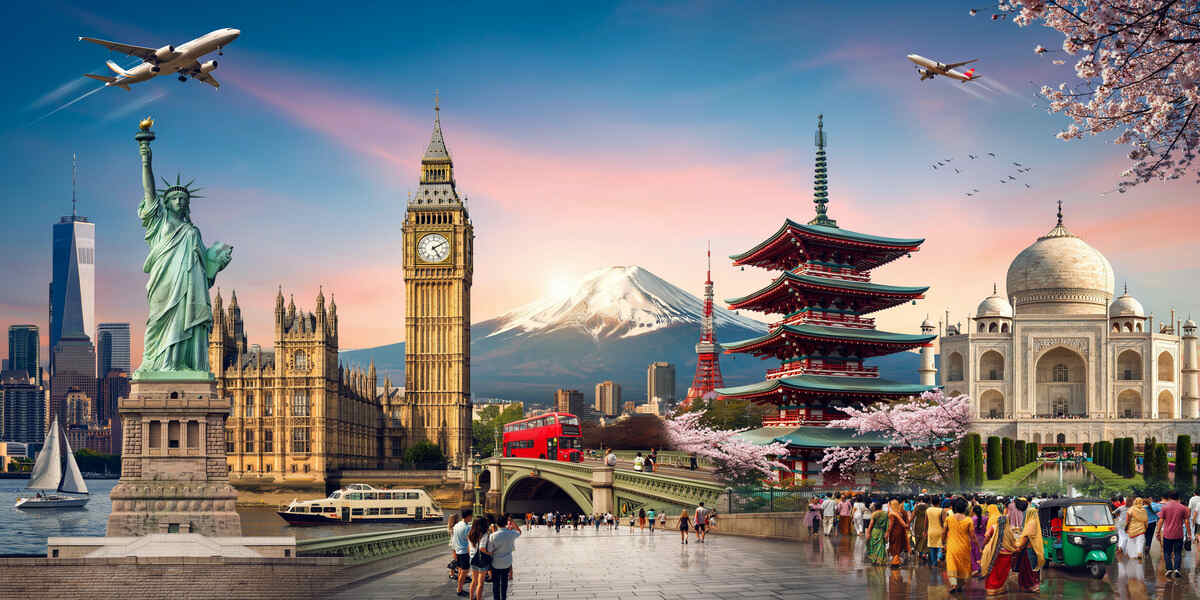
Image generated with Ai
The USA leads the global travel and tourism revolution because its massive domestic market, international visitor demand and strong tourism infrastructure have driven a $2.56 trillion GDP contribution, while the UK, Japan, India and other nations accelerate global tourism growth through connectivity, investment and expanding visitor economies. Travel and tourism has become a powerful economic force, supporting millions of jobs, strengthening industries and reshaping the future of global economic development.
Travel and tourism has emerged as one of the strongest pillars of the global economy, generating trillions of dollars in economic value while supporting millions of jobs across aviation, hospitality, transportation, retail, entertainment and destination development. From domestic journeys to international holidays, business travel and investment-driven tourism infrastructure, the sector continues to influence economic growth across both developed and emerging markets.
The United States remains the world’s largest travel and tourism economy, contributing an estimated $2.56 trillion to GDP and demonstrating the extraordinary economic power of its domestic travel market, international visitor demand and globally recognised destinations. China follows as another tourism giant with a $1.64 trillion contribution, while Germany, the United Kingdom and Japan strengthen the global tourism landscape through advanced infrastructure, cultural attractions and strong visitor economies.
India has also secured its position among the world’s fastest-growing tourism markets, with travel and tourism contributing approximately $249.3 billion to GDP. Rising domestic tourism, expanding airport networks, improved connectivity and growing international interest are positioning India as a future leader in global tourism growth.
Global Travel and Tourism GDP Ranking Shows the Economic Strength of Tourism Nations
The latest global tourism economy rankings highlight how travel has evolved beyond leisure activity into a major economic force. Countries with strong tourism ecosystems are benefiting from increased visitor spending, employment creation, infrastructure investment and international connectivity.
The sector creates a powerful economic chain. Airlines connect travellers with destinations. Hotels generate employment. Restaurants, shopping centres, entertainment venues and local businesses benefit from visitor spending. Governments also gain through tourism-related investments and improved infrastructure.
Advertisement
Advertisement
Travel and Tourism GDP Contribution by Leading Countries
| Global Rank | Country | Travel and Tourism GDP Contribution |
|---|---|---|
| 1 | United States | $2.56 trillion |
| 2 | China | $1.64 trillion |
| 3 | Germany | Among the world’s largest tourism economies |
| 4 | United Kingdom | Among the world’s largest tourism economies |
| 5 | Japan | Among the world’s largest tourism economies |
| 9 | India | $249.3 billion |
The ranking demonstrates the importance of tourism as a driver of national economic performance. While the United States leads due to its scale, other countries are strengthening their positions through innovation, infrastructure expansion and targeted tourism strategies.
United States Leads the World With the Strongest Travel and Tourism Economy

Image generated with Ai
The United States continues to dominate the global travel and tourism sector because of its diverse tourism offerings, powerful domestic market and extensive international connectivity.
Advertisement
Advertisement
The country’s tourism economy benefits from iconic destinations including New York, Florida, California, Las Vegas and national parks spread across multiple states. Millions of domestic travellers contribute significantly to tourism revenue, creating consistent economic activity throughout the year.
Business travel also plays a major role in strengthening the US tourism economy. Major conventions, corporate meetings, sporting events and entertainment activities attract visitors from around the world.
The country’s aviation network, including major international gateways, allows millions of travellers to access destinations efficiently. Strong hospitality infrastructure further supports tourism growth by providing accommodation, dining and entertainment options for different traveller segments.
The scale of the United States travel market allows tourism to contribute significantly to GDP while supporting employment across multiple industries.
Advertisement
Advertisement
China Strengthens Global Tourism Leadership Through Domestic and International Growth

Image generated with Ai
China remains one of the world’s most powerful tourism economies, supported by a massive domestic travel market and continuous investment in tourism infrastructure.
The country’s high-speed rail network, modern airports, cultural landmarks and natural attractions have helped create one of the largest tourism ecosystems globally.
Domestic tourism represents a major economic force in China. Millions of travellers explore historic cities, heritage sites, scenic destinations and cultural attractions every year.
China’s growing influence in global tourism is also supported by outbound travel demand. Chinese travellers remain among the most influential international visitor groups, contributing significantly to tourism economies worldwide.
Investment in digital travel solutions, transportation infrastructure and destination development continues to strengthen China’s position as a leading tourism market.
Germany, United Kingdom and Japan Power Advanced Tourism Economies

Image generated with Ai
Germany, the United Kingdom and Japan continue to demonstrate how mature tourism markets can generate significant economic value through innovation, connectivity and world-class visitor experiences.
Advertisement
Advertisement
Germany benefits from its position as a European business travel hub. International exhibitions, trade events and conferences attract millions of visitors, while cultural tourism and leisure travel continue supporting local economies.
The United Kingdom remains a global tourism destination through London’s international appeal, historic landmarks, cultural institutions and strong aviation connections. Tourism contributes significantly to hospitality, retail and entertainment sectors across the country.
Japan has experienced remarkable tourism momentum due to its unique combination of traditional culture, technology, cuisine and natural landscapes. Cities such as Tokyo, Kyoto and Osaka attract visitors seeking cultural experiences, modern attractions and premium travel opportunities.
Together, these nations show how strong tourism infrastructure can transform visitor demand into long-term economic growth.
India Emerges as a Future Global Tourism Growth Leader

Image generated with Ai
India’s travel and tourism sector is expanding rapidly, supported by rising domestic travel demand, improved connectivity and increasing international recognition.
With a contribution of approximately $249.3 billion to GDP, India has become one of the world’s most important emerging tourism economies.
Advertisement
Advertisement
The country’s tourism strength comes from its extraordinary diversity. Heritage destinations, spiritual centres, wildlife experiences, beaches, wellness tourism and adventure travel provide opportunities for millions of visitors.
Government investment in airports, highways, railway networks and tourism development projects is improving accessibility across the country.
India’s growing middle class is also driving domestic tourism growth. More citizens are exploring destinations within the country, creating stronger demand for hotels, transportation services and tourism experiences.
International visitor interest is also increasing as India promotes cultural tourism, medical tourism, luxury travel and sustainable experiences.
Tourism Connectivity and Infrastructure Drive Future Economic Expansion
The future success of global tourism economies will depend heavily on connectivity, infrastructure development and sustainable growth strategies.
Airports, rail systems, hotels and digital travel platforms are becoming essential components of modern tourism. Countries investing in these areas are better positioned to attract international visitors and increase tourism revenue.
Advertisement
Advertisement
Improved connectivity allows destinations to reach new markets while creating economic opportunities for local communities.
The expansion of tourism infrastructure also supports employment generation. From airline workers and hotel professionals to local guides, retailers and service providers, millions of people benefit from tourism growth.
Travel and Tourism Creates Millions of Jobs Worldwide
One of the strongest economic benefits of tourism is employment creation.
The industry supports jobs directly and indirectly across multiple sectors. Airlines require aviation professionals. Hotels need hospitality workers. Restaurants, attractions and transport providers depend on visitor spending.
Tourism growth also creates opportunities for entrepreneurs and small businesses. Local communities often benefit from increased demand for cultural experiences, food services, accommodation and entertainment.
As global tourism continues expanding, employment opportunities connected to travel are expected to increase further.
Advertisement
Advertisement
The world’s leading travel and tourism economies demonstrate the powerful role tourism plays in shaping economic growth, connectivity and investment.
The United States remains the global leader with a $2.56 trillion tourism GDP contribution, while China, Germany, the United Kingdom and Japan continue strengthening their positions among the world’s biggest tourism markets. India’s rapid rise highlights the growing influence of emerging economies in the future of global travel.
The USA leads the global travel and tourism economy with a $2.56 trillion GDP contribution, while the UK, Japan, India and other major markets drive worldwide tourism growth through rising visitor demand, stronger connectivity, infrastructure investment and expanding economic opportunities.
As countries continue investing in airports, destinations, hospitality infrastructure and sustainable tourism solutions, travel and tourism will remain a vital force driving GDP growth, creating jobs and connecting communities worldwide.
Advertisement
Advertisement