
Men’s health is discussed more than ever thanks to campaigns such as Movember. More conversations are being had about issues like mental health and prostate cancer that were previously brushed under the carpet.
As men age, their bodies go through significant changes and it can be easier to dismiss new aches, symptoms or health concerns as simply part of getting older, rather than taking steps to address them.
However, Dr Natalie Barclay, a GP at Nuffield Health, says there are plenty of proactive lifestyle changes men can make in their 40s, 50s, 60s, 70s and beyond to help maintain their health and improve their wellbeing.
Here are the key health and lifestyle recommendations for each decade…
40s
“Testosterone is a key metabolic hormone which affects libido, but also helps with muscle mass. However, once you get into your 40s, your testosterone levels tend to decline at a rate of about 1-2% per year,” says Barclay. “Due to this natural gradual decline in testosterone, she advises men of this age to crack on with strength training to help build and maintain their current muscle mass.
“Strength training is going to help you build you a really good foundation for your 50s, 60s, and 70s,” says the GP.
“Although recovery can be a little bit slower than it was in your 20s or 30s, you should be able to push yourself in strength training without too much issue in your 40s.”
Weight management
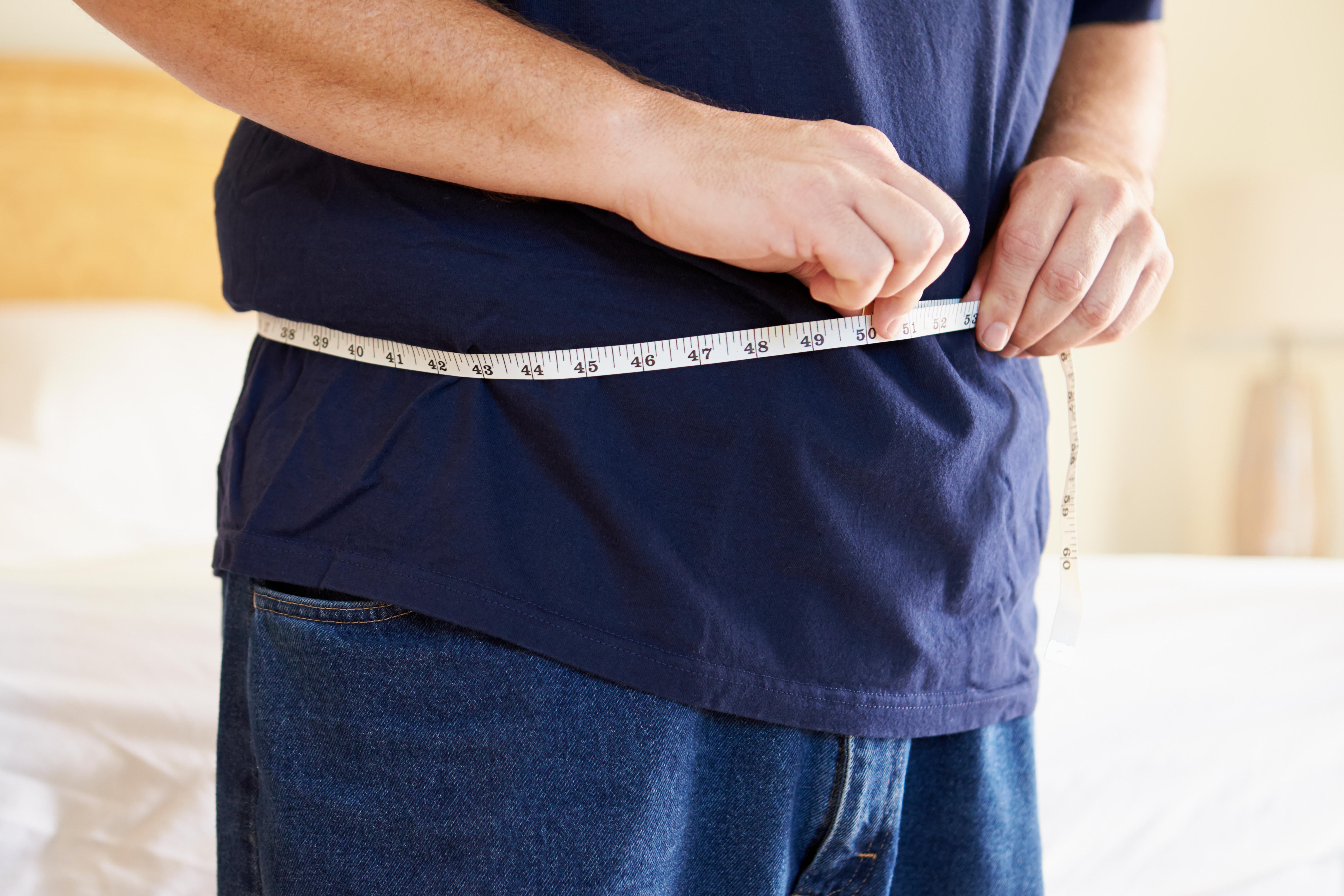
Barclay also highlights how your 40s are a time where the bad habits in your earlier decades start to catch up with you.
“The natural decline in testosterone and slowing down of metabolic rate means that many men find that a little bit of weight creeps in during their 40s and becomes harder to lose,” says Barclay.
“Therefore, chaps at this stage need to watch their liquid calories and avoid things like takeaways and fast food. They should try to reduce their alcohol consumption to the normal recommended guidelines of 14 units per week.”
She explains that being proactive about maintaining a healthy waist circumference at this stage is incredibly important as it helps set you up for a better metabolic future, by lowering the risks of things high blood pressure and type two diabetes.
Stay active

“You want to be aiming for 150 minutes of moderate intensity exercise a week, as it will help drop your risk of heart attacks and strokes later on in life. Go out for brisk walks or play footy with the kids,” recommends Barclay.
“Do exercises in your 40s for the body you want in your 70s.”
Learn your numbers
“If you have a family history of high blood pressure, diabetes or heart problems, your 40s are a good time to learn your numbers and start doing what you can do to prevent you from going that direction,” advises Barclay.
A free NHS Health Check is offered to all adults between 40 to 74 which checks key metrics like blood pressure.
“If you’re invited to a NHS Health Check in your 40s, make sure you go,” urges Barclay. “People often have no idea that they have high cholesterol or high blood pressure, but by learning your numbers you can take action.”
50s
Keep your cholesterol and blood pressure in check
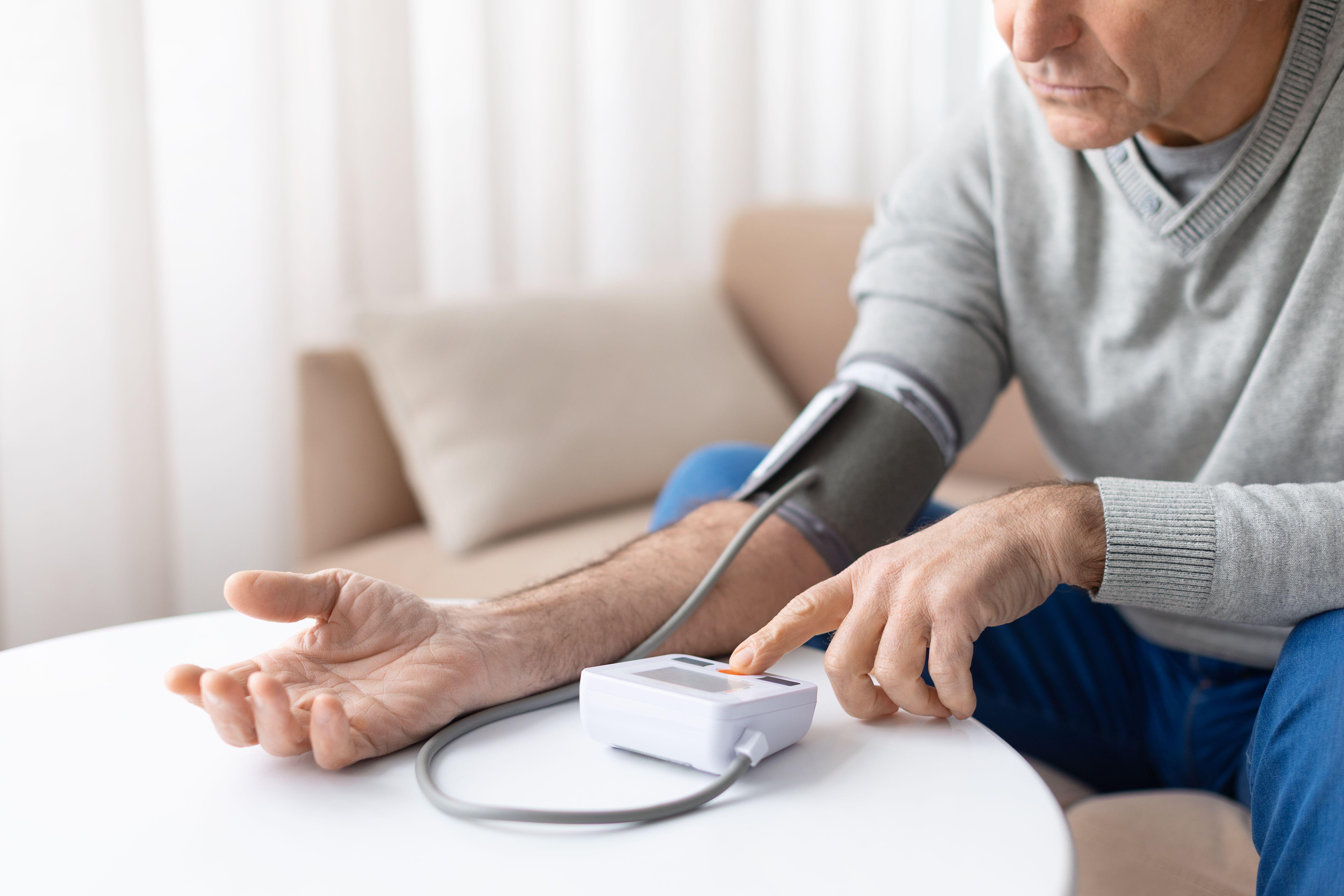
“Blood pressure and cholesterol tend to rise in your 50s, so make sure you check your blood pressure regularly,” recommends Barclay.
Staying fit and eating a balanced diet will help.
“Strength training is a non-negotiable at this point. Muscle mass increases your basal metabolic rate, so the more muscle mass you have, the faster your body will burn calories,” explains Barclay.
“Reducing your consumption of things like saturated fats, salt and alcohol is key.”
Look after your prostate
You are more likely to get an enlarged prostate if you’re over 50, and if others in your family have an enlarged prostate, according to the NHS website.
“Lots of men of this age start to notice that they need to get up in the middle of the night for a wee, can’t hold it as long as they used to, or struggle to get a wee started,” notes Barclay.
However, there are things you can do that may help with symptoms of an enlarged prostate.
“Make sure that you’re hydrated during the day, but reduce your fluid intake after 6pm,” advises Barclay. “I would also recommend avoiding bladder irritants such as caffeine, alcohol and fizzy drinks to reduce the need to urinate so often.”
Talking to your GP about bladder training tips can also be useful.
Get a PSA check
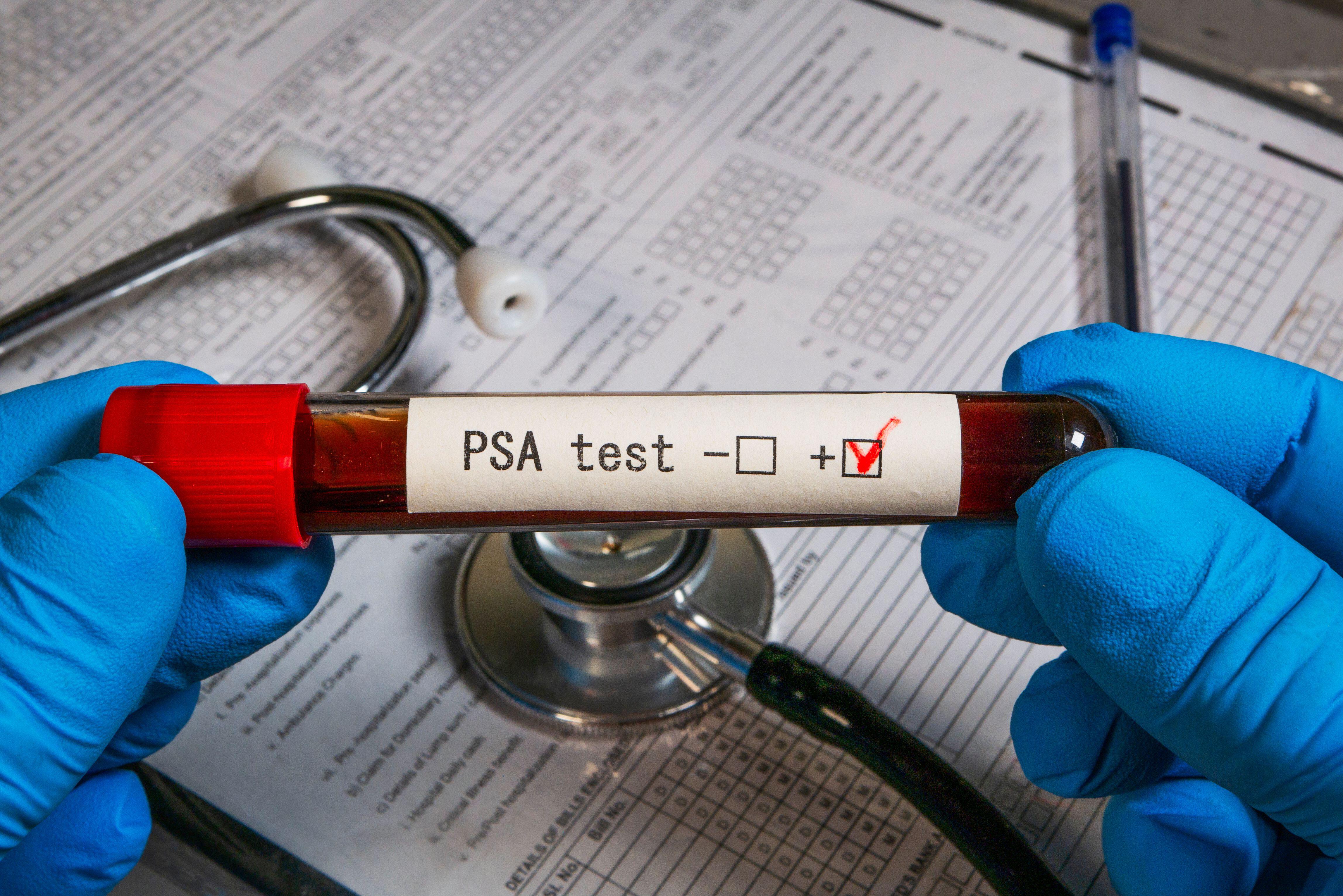
Anyone with a prostate aged 50 or over is entitled to a free PSA (Prostate-Specific Antigen) blood test from the NHS upon request.
“However, if you’ve got significant family history or fall into a higher risk group, then you can request a PSA test from 45,” adds Barclay.
60s
Switch to lower-impact exercise

Barclays highlights how many men start to struggle with joint pains in their 60s.
“Things like swimming and cycling are lot kinder on the joints and will still give you that beneficial cardiovascular workout,” says Barclay.
She adds that men may also start experiencing the effects of a disruption of their vestibular system at this age.“This is the system that gives you balance, so this disruption can make you feel a little bit less coordinated,” says Barclay. “Switching the activities you do to minimise the impact of this is going to be key for maintaining good health.”
Cholesterol and blood pressure-lowering strategies
“In this decade we start to see peaks of things like diabetes and cholesterol which need to be treated,” says Barclay. “If your levels are high, talk to your GP about medications, statins and other blood pressure control strategies that could help reduce the risk of a cardiovascular event,” says Barclay.
70s and beyond
Find exercises that help with mobility and balance

“One of the biggest issues in this decade is mobility due to that decline in muscle mass,” says Barclay. “Men of this age might also have weakened bones, particularly if they’ve been on long-term medications throughout their 50s and 60s.
“We also start to see age-related eyesight deterioration, so that coupled with less mobility and balance disturbances, increases the risk of falls and poor mobility.”
To negate these effects, the GP recommends focusing on balance exercises that will gently build strength and mobility.
“Things like tai chi can be particularly useful in this age group,” says Barclay.
Boost your brain

“Things like Alzheimer’s and vascular dementia can start developing in this age group,” says Barclay.
Although there’s no cure for dementia, there are some things that can help slow the rate of progression.
“Research suggests that people who remain physically fit, eat a nutrient-dense diet and stay cognitively active by getting involved in things like volunteering and crossword puzzles might be able to slow the onset of dementia,” says Barclay.